Plan Your First Bikepacking Trip: Step-by-Step Guide
20+ years testing gear in Colorado backcountry
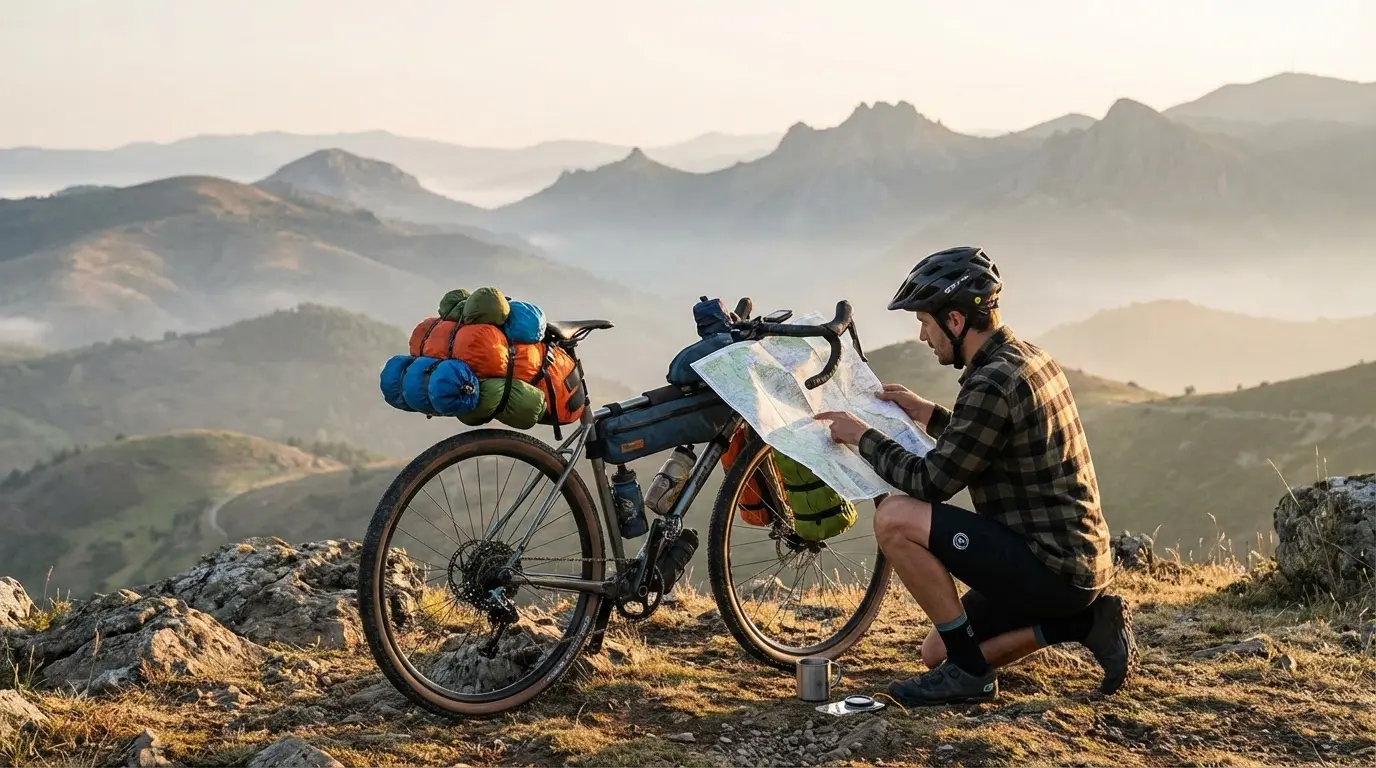
From Dream to Departure
You've read the articles. You've watched the videos. You've assembled the gear. Now it's time to actually go bikepacking—and that's where the real questions begin. How far should you ride? What route should you pick? What if something goes wrong?
Your first bikepacking trip will teach you more than any amount of research. But smart planning transforms a potentially frustrating experience into something genuinely enjoyable.
This guide walks you through every step from route selection to rolling out, helping you avoid the common mistakes that derail first-timers. (Still deciding if bikepacking is for you? See our Bikepacking vs Bike Touring comparison.)
The goal isn't perfection—it's completion. A successful first trip gives you the confidence and knowledge for bigger adventures ahead. Let's make sure your inaugural outing goes smoothly.
For complete gear guidance, see our Bikepacking for Beginners Guide.
Step 1: Choose the Right Route
Your route makes or breaks your first trip. Pick something too ambitious and you'll suffer. Pick something too easy and you might not understand what bikepacking really involves. The sweet spot exists—here's how to find it.
Distance Guidelines
For your first overnighter, aim for 25-40 miles per day. This sounds short compared to day rides, but loaded bikes on mixed terrain ride very differently. Hills that felt easy unburdened become genuine challenges with 15-20 pounds of gear. For a detailed weekend trip guide, see our Weekend Bikepacking: 2-Day Trip Essentials.
First trip distance by fitness level:
- Beginner cyclist: 20-30 miles/day
- Regular rider: 30-40 miles/day
- Strong cyclist: 40-50 miles/day
Remember: you need energy for camp setup, cooking, and enjoying the experience—not just surviving the miles.
Terrain Considerations
Start with mostly paved or well-maintained gravel roads. Technical singletrack with a loaded bike requires skills you haven't developed yet. Loose surfaces, steep pitches, and rocky sections multiply difficulty when you're carrying gear.
Good first-trip terrain:
- Rail trails and converted railways
- Maintained forest service roads
- Quiet country roads with minimal traffic
- Well-graded gravel paths
Avoid for your first trip:
- Technical mountain bike trails
- Deep sand or mud sections
- Extremely steep grades (sustained 10%+)
- Remote routes with no bail-out options
Bail-Out Points
Your first route needs escape options. If weather turns ugly, gear fails, or you simply hit your limit, you need ways to cut the trip short without being stranded.
Look for routes with:
- Towns or services every 15-20 miles
- Phone coverage for most of the route
- Alternate road access if needed
- Public transportation back to start
The goal isn't expecting failure—it's having options that let you ride confidently.
Route Resources
Pre-planned routes simplify everything. Someone else has already solved the problems—you just follow their work.
Popular route sources:
- BIKEPACKING.com Route Finder: Curated routes with detailed descriptions, water sources, and camping options
- Ride with GPS: Massive library of user-created routes with navigation sync
- Komoot: Strong discovery features with route planning and offline maps
- Adventure Cycling Association: Classic cross-country routes with detailed maps
- Local bike shops: Often know unofficial routes
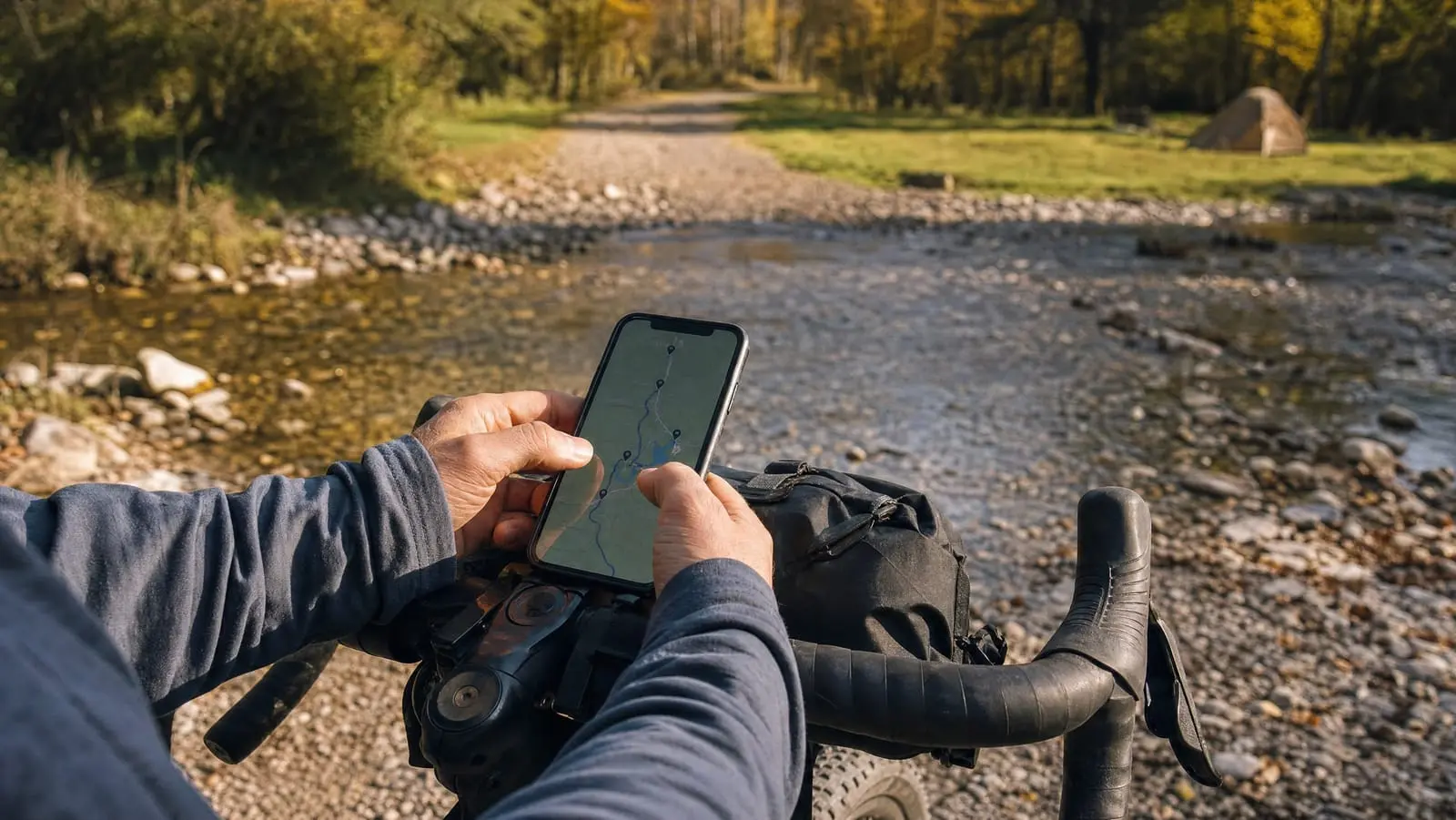
For navigation, a dedicated GPS device makes route-following effortless. A handlebar phone mount also works well for using your phone as navigation.
For curated beginner-friendly options, see our Best Beginner Bikepacking Routes in the US—rail trails, gravel loops, and gentle terrain designed for first-timers.
Step 2: Plan Your Overnight
Where you sleep affects everything from gear selection to daily mileage. Your first trip should prioritize certainty over adventure—save the stealth camping experimentation for later.
Campground Option (Recommended First)
Established campgrounds provide the safest introduction to bikepacking camping. You get:
- Known location: No searching for sites in fading light
- Water access: Usually potable
- Restrooms: Convenient, especially for first-timers
- Other campers: Social safety net if problems arise
Reserve ahead for popular sites on weekends. Many campgrounds accept bike-in campers without reservations, but don't assume.
Cost: $10-35 per night typical
Wild Camping Option
Camping on public land offers more freedom but requires more skills. For your first trip, this works only if:
- You're comfortable with the legal situation (BLM land, dispersed camping areas)
- You've identified specific potential sites beforehand
- You carry sufficient water (no reliable sources)
- You have backup locations if your first choice doesn't work
Start with campgrounds. Move to wild camping once you understand your needs and capabilities.
Lodging Option
Some bikepackers book lodging for part of their trip—especially valuable on first overnighters. A hotel or hostel eliminates uncertainty about sleeping arrangements and lets you focus on the riding experience.
This hybrid approach (ride one direction, stay in lodging, ride back) makes great training for fully self-supported trips.
Step 3: Check Your Gear
You should have read our Complete Bikepacking Gear Guide by now. Here's the pre-trip checklist that matters:
The Test Ride
Never take untested gear on your first trip. Do a shakedown ride at least one week before departure:
- Load all your bags with actual gear weight
- Ride 10-20 miles on mixed terrain
- Note anything that shifts, rubs, or feels wrong
- Adjust, fix, and retest
This single step prevents most first-trip disasters. Bag mounting problems, knee clearance issues, and handling quirks all reveal themselves during testing.
Essential Gear Check
Sleep system:
- Tent/shelter tested and complete (all stakes, poles, guylines)
- Sleeping bag appropriate for expected temperatures
- Sleeping pad inflates and holds air
- Pillow if using one
See our Best One-Person Tents and Camp Gear Guide for recommendations.
Bag system:
- All bags mounted securely without rubbing
- Straps tucked and secured
- Weight distributed properly (heavy low and centered)
Our Bag & Storage Guide covers proper setup.
Bike:
- Tire pressure set for loaded weight (slightly lower than unloaded)
- Brakes working properly (loaded descents need good brakes)
- Drivetrain clean and lubricated
- Quick releases or thru-axles tight
For a thorough pre-departure inspection, use our Pre-Trip Bike Inspection Checklist. For ongoing maintenance knowledge, see our Complete Bikepacking Maintenance Guide.
Repair kit:
- Spare tubes or tubeless repair
- Multi-tool with necessary bits
- Tire levers
- Mini pump or CO2
What First-Timers Over-Pack
Everyone brings too much on their first trip. Common over-packing items:
Clothes: You need far less than you think. One riding outfit, one sleep outfit, rain layer, puffy. That's genuinely sufficient for most overnight trips.
Tools: A quality multi-tool covers 95% of field repairs. You don't need a complete home workshop.
Electronics: Phone, lights, maybe a GPS. Battery packs are heavy—calculate your actual needs.
Cooking gear: For an overnight, you can probably go no-cook. If bringing a stove, keep it minimal.
Step 4: Weather Strategy
Weather ruins more first trips than any other factor. Smart planning means you're prepared, not panicked.
Forecasting
Check weather obsessively the week before your trip. Multiple sources give better accuracy:
- National Weather Service (NOAA) for detailed forecasts
- Mountain-specific forecasts if applicable (Mountain-Forecast.com)
- Local news for regional conditions
Pay attention to:
- Rain probability and timing
- Wind speed and direction
- Temperature highs and lows
- Unusual conditions (heat waves, cold snaps)
Go/No-Go Decision
It's okay to postpone. Really. Suffering through dangerous or miserable conditions doesn't build character—it just creates bad memories that might end your bikepacking interest.
Consider postponing if:
- Heavy rain predicted for most of your ride time
- Extreme temperatures (dangerous heat or cold)
- High winds (40+ mph makes loaded bikes uncontrollable)
- Lightning forecast during exposed sections
Usually rideable:
- Light rain with dry periods
- Moderate temperatures requiring extra layers
- Wind under 30 mph
- Brief thunderstorm windows you can wait out
Layering Preparation
Bring the layers your weather forecast demands. See our Clothing Guide for detailed recommendations, but the basics:
Always bring:
- Rain jacket (even if forecast is clear)
- Warm layer (puffy or fleece)
Add based on forecast:
- Rain pants if sustained rain likely
- Extra base layer if cold nights expected
- Sun protection if extended exposure
Step 5: Nutrition and Hydration
Running out of food or water turns adventures into survival situations. First trips require conservative planning.
Water Planning
Know your water sources before you leave. Map every opportunity to refill along your route:
- Town stops with stores or restaurants
- Campground spigots
- Known streams or lakes (if carrying filtration)
Carrying capacity: Your standard bottles plus any additional capacity for dry sections. For most routes with regular access, 2-3 liters covers you. Remote routes may need 4-5+ liters.
The rule: Never pass a known water source with less than one full bottle remaining.
Food Strategy
Simple is better for first trips. Complex cooking adds time and failure points.
Breakfast options:
- Instant oatmeal (just add hot water)
- Granola bars and coffee
- Pop-Tarts (seriously—they work)
On-bike fuel:
- Energy bars, gels, chews
- Sandwiches made at camp
- Trail mix and nuts
- Real food from town stops
Dinner:
- Freeze-dried meals (add hot water, wait, eat)
- Ramen with added protein
- Tortillas with nut butter
- Pizza from town if timing works
Calories: Bikepacking burns 3,000-5,000 calories daily. Pack more food than you think you need—running low creates misery.
For cooking setup, see our Stoves and Cooking Guide.
Step 6: Pre-Trip Logistics
The boring details that make trips work.
Tell Someone Your Plan
Leave your itinerary with someone who cares:
- Planned route and daily destinations
- Expected return date and time
- Check-in protocol (daily text, call upon return)
- When to worry if they don't hear from you
This is basic safety. Don't skip it.
Transportation
Out-and-back routes simplify logistics—you finish where you started, and your car is right there.
Point-to-point routes require planning:
- Shuttle from endpoint back to start
- Leave second car at finish
- Use public transportation
- Arrange pickup from someone
Start with loops or out-and-backs. Point-to-point adds complexity you don't need yet.
Money and Phones
- Cash for campgrounds that don't take cards
- Credit card for unexpected expenses
- Phone charged and in waterproof protection
- External battery if needed
Download offline maps before departure. Cell coverage disappears on many bikepacking routes.
Day Before: Final Prep
Packing Your Bags
Pack the night before departure, not that morning. You need time to solve problems.
Frame bag: Heavy, compact items—tools, spare tubes, snacks, phone charger Saddle bag: Sleeping bag, tent body, clothes Handlebar bag: Sleeping pad, tent poles, items you might need during rain Top tube bag: Phone, snacks, camera, sunglasses
See our guides on frame bags, saddle bags, and handlebar packs for specific recommendations.
Final Checks
- All bags packed and mounted
- Bike tested with full load
- Phone and devices charged
- Weather forecast reviewed
- Route downloaded to device
- Someone knows your plan
- Car has everything you need for return
Get Sleep
This sounds obvious, but pre-trip excitement causes many people to stay up late packing. A tired start leads to a rough day. Get to bed on time.
On the Trip: What to Expect
First Morning Adjustments
Your first loaded miles will feel strange. The bike handles differently—heavier, slower to accelerate, requiring more planning for turns. This is normal. Within an hour, you'll adapt.
Expect:
- Slower speeds than usual
- More effort on climbs
- Wider turning radius
- Different braking requirements
Pace Yourself
The miles pass differently when you're carrying home on your bike. Don't race. Build in time for:
- Longer rest stops
- Scenic enjoyment (you earned this)
- Extended lunch breaks
- Finding and setting up camp before dark
Aim to reach camp at least two hours before sunset. You need time to set up, cook, eat, and settle in while you can still see.
What "two hours before sunset" actually means:
- Finding a good site (15-30 min)
- Setting up tent and organizing gear (20-30 min)
- Cooking and eating dinner (30-45 min)
- Cleaning up and prep for morning (15 min)
- Buffer for things taking longer than expected
Arriving at sunset means doing all of this in darkness. Arriving in darkness means skipping some of it entirely—and regretting it.
Things That Will Go Wrong
Something won't work perfectly. Accept this now:
Common first-trip issues:
- Bag shifting requiring adjustment
- Route confusion requiring backtracking
- Underestimating time to destination
- Forgetting something minor
- Unexpected terrain difficulty
These aren't failures—they're learning. Each problem solved teaches you something for next time.
After the Trip: Learn and Plan
What Worked?
Note the successes:
- Gear that performed well
- Distances that felt comfortable
- Food that satisfied
- Clothing that kept you comfortable
These become your foundation for future trips.
What Didn't Work?
Honestly assess the problems:
- Gear that failed or frustrated
- Packing decisions you'd change
- Route choices that caused issues
- Preparation gaps you noticed
Don't buy replacements immediately. Sometimes you just need practice, not different gear.
Plan the Next One
If your first trip went reasonably well, you'll want to go again. Good. While the experience is fresh:
- Identify routes you want to explore
- Note gear upgrades worth considering
- Think about longer distances or days
- Consider new terrain types
The first trip is always the hardest. Each subsequent trip builds on your growing experience.
FAQ
How fit do I need to be for my first bikepacking trip?
If you can comfortably ride 30 miles unloaded, you can handle a conservative first trip. Start with shorter daily distances (20-25 miles) if you're unsure. Bikepacking fitness develops quickly once you start doing it.
What if I hate it?
Possible, but unlikely if you've planned well. Most "bad" first trips result from overambitious routes, poor weather choices, or insufficient gear. If you genuinely dislike the experience after a well-executed trip, that's valid information—not everyone loves this activity.
Can I do my first trip solo?
Yes, many people do. Having a companion adds safety margin and shared problem-solving, but solo is absolutely viable—especially on well-traveled routes with regular cell coverage.
What's the minimum budget for a first trip?
With existing bike and basic camping gear, you can start for a few hundred dollars in bags. See our Budget Bikepacking Guide for complete setup options.
Should I bring my expensive bike?
Use whatever bike you have that fits the route terrain. Bikepacking adds wear and exposure to elements. If you're worried about your nice bike, that stress detracts from enjoyment.
Quick Checklist
Route:
- 25-40 miles/day maximum
- Bail-out options available
- Camping/lodging confirmed
- Route downloaded offline
Gear:
- Complete shelter system tested
- Sleep system appropriate for temps
- Bags mounted and tested on ride
- Repair kit complete
Prep:
- Weather forecast checked
- Someone knows your plan
- Food and water strategy confirmed
- Devices charged
Mindset:
- Expectations realistic
- Prepared for imperfection
- Ready to learn and enjoy
Go Make Memories
Your first bikepacking trip won't be perfect. But if you've planned reasonably and packed thoughtfully, it will be good. Good enough to get you hooked on this way of exploring the world by bike.
The trails are out there. The gear is in your bags. The route is on your GPS. All that's left is to start pedaling.
For complete gear recommendations, return to our Bikepacking for Beginners Guide and Complete Gear Guide.
See you out there.