What to Wear Bikepacking: Complete Clothing Essentials Guide
20+ years testing gear in Colorado backcountry
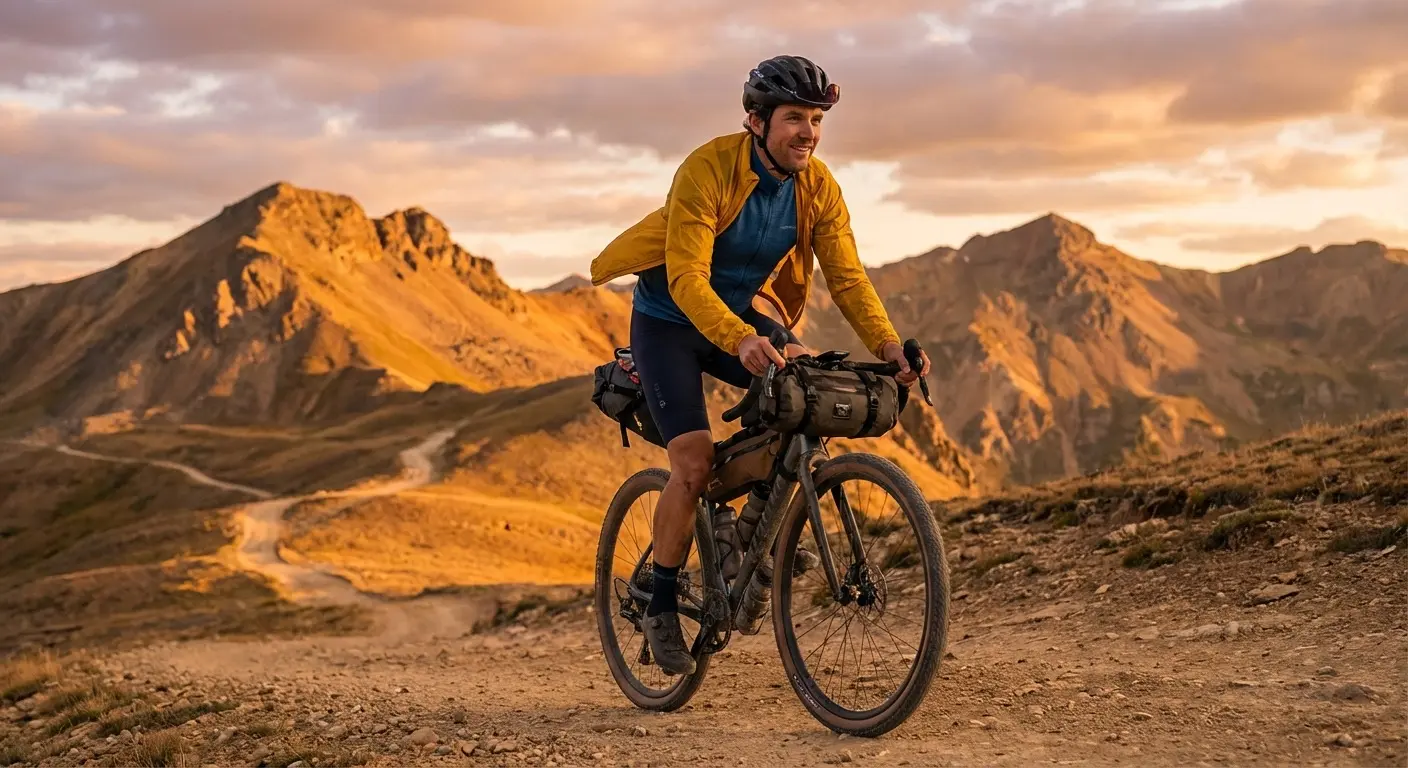
The Art of Packing Light and Staying Comfortable
Clothing decisions can make or break a bikepacking trip. Pack too little and you'll shiver through cold nights. Pack too much and your bags overflow with redundant layers you never wear.
The key insight: bikepacking clothing works as a system, not individual pieces. Each item serves multiple purposes, layers work together, and fabrics are chosen for performance across days of riding and sleeping.
As REI's layering guide explains, effective layering means managing moisture, insulation, and protection—with each layer serving a specific purpose. Cotton has no place here. Neither do excessive options.
This guide covers the layering philosophy that experienced bikepackers use, the fabrics that actually work for multi-day riding, and specific recommendations for building your bikepacking wardrobe. Whether you're planning a weekend overnighter or a multi-week expedition, these principles apply.
For complete gear guidance, see our Complete Bikepacking Gear Guide. Planning your first trip? Start with our Bikepacking for Beginners Guide. Women may also find helpful tips in our Women's Bikepacking Complete Guide.
The Layering System
Effective bikepacking clothing isn't about individual perfect pieces—it's about layers that work together. You'll constantly adjust throughout the day: stripping down for climbs, layering up for descents, adding everything for camp.
Base Layer: Your Foundation
The base layer sits against your skin, managing moisture and providing light insulation. It's the most important piece you'll wear.
Merino wool base layers have become the bikepacking standard for good reason. The Smartwool Intraknit Merino 200 represents the category well—temperature regulating, odor-resistant, and comfortable for days without washing. Merino works across a wider temperature range than synthetics, adding warmth when cold and breathing when warm.
Why merino dominates:
- Natural odor resistance (critical for multi-day trips)
- Temperature regulation across conditions
- Comfortable wet or dry
- Doesn't develop permanent stink like synthetics
Synthetic alternatives dry faster and cost less. They work well for single-day or short trips but develop odor quickly. For multi-day bikepacking, merino's odor resistance becomes invaluable.
Mid Layer: Insulation
Mid layers add warmth when temperatures drop. The goal is significant insulation in minimal weight and pack size.
Lightweight insulated jackets like the Patagonia Nano Puff provide exceptional warmth-to-weight ratio. Synthetic insulation maintains warmth even when damp—important for active use where perspiration happens.
Fleece options breathe better during activity but pack bulkier. A lightweight fleece works well as a riding layer; insulated jackets work better for camp.
Merino mid layers bridge the gap—a heavier merino shirt or light sweater provides insulation while remaining breathable enough for riding.
Outer Layer: Weather Protection
Your outer layer blocks wind and rain. This is where waterproof breathability matters.
Rain jackets are essential regardless of forecast. Weather changes, and being caught without rain protection leads to hypothermia-level cold. The Outdoor Research Helium weighs just 6.5 ounces and packs to the size of a granola bar—no excuse not to carry it.
Wind jackets add versatility. Sometimes you need wind blocking without full rain protection—long descents, cold mornings, exposed ridges. Dedicated wind jackets weigh almost nothing and pack smaller than rain shells.
The Essential Pieces
What You Wear Riding
Padded cycling shorts prevent saddle sores over multi-day riding. The Pearl Izumi Expedition Shorts are specifically designed for bikepacking with cargo pockets and a high-rise waistband that stays comfortable all day. Quality chamois (the padding) matters more than brand—invest here.
Cycling jersey or merino tee depends on your preference. Jerseys offer pockets and technical features; merino tees offer simplicity and odor resistance. Many bikepackers ride in a lightweight merino tee and prefer the less "cyclist" aesthetic.
Sun protection matters. Long sleeves protect better than sunscreen for all-day riding. Arm warmers add versatility—full coverage when needed, bare arms when hot.
What You Pack for Camp
Warm layers for evening are separate from riding clothes. Your base layer doubles between riding and sleeping, but add:
- Lightweight insulated jacket (like the Nano Puff)
- Warm tights or pants for camp
- Warm hat for sleeping
Sleep clothes philosophy: Many ultralight bikepackers don't carry separate sleep clothes. They wear their merino base layer around the clock, adding warm layers on top at camp. This works if your base layer is genuinely odor-resistant merino.
Accessories That Matter
Gloves in multiple weights. Lightweight gloves for cool mornings, warm gloves for cold conditions. Hands get cold first and affect your ability to brake and shift.
Buff or neck gaiter. Minimal weight, maximum versatility—sun protection, neck warmth, face covering, headband, sleep mask. Merino versions work best.
Warm hat. Heat escapes through your head, especially at night. A lightweight beanie weighs nearly nothing and dramatically improves sleep comfort.
Socks matter. Merino wool socks handle multiple days without developing odor. Carry one pair for riding and one dry pair for sleeping. The Smartwool PhD line is made for cycling.
Fabric Guide
Merino Wool: The King of Bikepacking
Merino wool has become almost synonymous with bikepacking clothing. The natural fiber does things synthetics can't:
Temperature regulation: Merino keeps you warm in cold, cool in heat—far better than synthetic fabrics at handling variable conditions.
Odor resistance: The single most important feature for multi-day trips. Synthetic base layers develop permanent stink after a day or two; merino can go a week or more while remaining wearable.
Comfort when wet: Unlike cotton (which becomes cold and clammy) or some synthetics (which feel slimy), merino remains comfortable even when damp from sweat or rain.
Trade-offs: Merino costs more, dries slower than synthetics, and wears out faster. Most bikepackers consider these acceptable trade-offs for multi-day comfort.
The Smell Test Reality
Here's what actually happens with different fabrics over a week-long trip:
Day 1-2: Everything's fine. Synthetic and merino smell similar.
Day 3-4: Synthetic base layers develop noticeable odor. Merino remains wearable. A creek rinse helps synthetics temporarily.
Day 5+: Synthetic stink becomes genuinely problematic—affecting your sleep, your tent-mate's patience, and your willingness to enter restaurants. Merino still smells "used but acceptable."
This progression is why experienced bikepackers become merino converts after their first extended trip. The weight and cost premium pays off in livability.
Synthetic Fabrics
Where synthetics win: Quick drying, durability, lower cost. Synthetic shorts, outer layers, and accessories make sense. Synthetic base layers work for shorter trips where odor accumulation doesn't become problematic.
Where synthetics fail: Odor resistance. After multiple days, synthetic base layers smell genuinely terrible regardless of washing attempts. This limits their usefulness on longer trips.
Cotton: Never
Cotton absorbs moisture, dries slowly, loses all insulation when wet, and provides no temperature regulation. It's a hypothermia factory in cool conditions. Never pack cotton for bikepacking—not even cotton underwear or a "casual" shirt for town stops.
Real-World Layering Scenarios
Understanding layering theory is one thing—knowing what to actually wear is another. Here's how experienced bikepackers dress for common conditions:
Warm Weather (70°F+)
Riding: Lightweight jersey or merino tee, cycling shorts Climbing: Same (no changes needed) Descending: Same (airflow is welcome) Camp: Add sleep tights if mosquitoes are bad Sleep: Just base layer in bag
Moderate (50-70°F)
Riding: Merino base layer, arm warmers, cycling shorts Climbing: Remove arm warmers, unzip jersey Descending: Add wind jacket, arm warmers back on Camp: Base layer + puffy jacket + camp pants Sleep: Base layer + warm hat, bag does the work
Cool (35-50°F)
Riding: Merino base + jersey, tights or leg warmers, light gloves Climbing: Unzip, possibly remove gloves Descending: Full zip, add wind/rain jacket, warmer gloves Camp: Full layering—base + mid layer + puffy + pants + hat Sleep: Everything except puffy (wear it if bag isn't warm enough)
Cold (Below 35°F)
Riding: Heavy merino base, mid layer, wind jacket, tights, warm gloves, balaclava Climbing: Open zippers, remove balaclava Descending: Close everything, add all layers available Camp: Every layer you own Sleep: Base + mid in bag, puffy as pillow or supplemental insulation
The key insight: Bikepacking involves constant adjustment. The riders having the best experience are the ones micro-managing layers based on effort and exposure.
Building Your Wardrobe
Minimalist Setup (3-5 pieces beyond what you're wearing)
For fair-weather weekend trips:
- 1 extra merino base layer (sleep/backup)
- 1 insulated jacket for camp
- 1 rain jacket
- 1 pair warm socks for sleeping
- 1 buff/neck gaiter
Weight: Under 2 lbs total
Standard Setup (5-8 pieces)
For variable conditions or multi-day trips:
- 1 extra merino base layer
- 1 insulated jacket
- 1 rain jacket
- 1 pair warm tights
- 1 pair warm gloves
- 1 warm hat
- 1 pair sleep socks
- 1 buff
Weight: 2-3 lbs total
Cold Weather Addition
Add these for temperatures below 40°F:
- Heavier base layer (midweight merino)
- Down or heavy synthetic jacket
- Second pair warm gloves
- Full balaclava
- Heavy wool socks
Weight: Additional 1-2 lbs
For comprehensive cold-weather strategies, see our Winter Bikepacking: Cold Weather Guide.
Packing Clothing
Where Things Go
Frame bag: Dense items like insulated jackets (compressed) Saddle bag: Spare clothes, sleeping layers Handlebar bag: Rain jacket (quick access), gloves
Keep your rain jacket accessible—weather changes quickly. Everything else can be buried until you need it.
Compression and Organization
Use lightweight stuff sacks or compression sacks to organize clothes. Separate "riding" from "camp" layers. This speeds up packing and unpacking enormously.
The Overnight Test
Before any multi-day trip, test your clothing overnight. Set up camp in your backyard or a nearby campsite. You'll quickly discover what's missing or excessive.
Care and Longevity
Washing on the Trail
Quick rinse technique: Rinse base layers in streams or sinks when possible. Even without soap, water removes salt and surface grime. Wring thoroughly and dry on your bike during the next day's ride.
Merino requires gentle care. When you do wash properly, use cold water and mild detergent. Hot water damages merino fibers.
Drying Strategies
Damp clothes can dry on your bike. Clip socks to saddle bag straps. Drape base layers over bags. The sun and wind do the work while you ride.
Extending Garment Life
Rotate pieces: Wearing the same base layer constantly accelerates wear. Rotating between two extends both.
Air out overnight: Even if you can't wash, hanging clothes to air overnight reduces odor and moisture.
Repair before replacing: Small tears and holes are easily fixed with needle and thread or repair tape. Carry a small sewing kit.
FAQ
How many sets of clothes do I need for bikepacking?
Most bikepackers carry one set of riding clothes (what they're wearing) plus one spare base layer and sleep/camp layers. Even for multi-week trips, this minimal approach works with washing and rotation.
Can I wear regular athletic clothes?
Technical athletic clothes work for short trips but lack odor resistance for multi-day adventures. Invest in quality bikepacking-specific pieces for longer trips.
Down or synthetic insulated jacket?
Synthetic insulation maintains warmth when damp—common during active use. Down packs smaller and lighter but fails when wet. For single-purpose camp jackets, either works. For jackets worn during riding, synthetic is safer.
What about rain pants?
Rain pants are optional. Many bikepackers skip them, preferring to get legs wet and dry quickly (legs generate heat while pedaling). For cold rain or extended wet conditions, lightweight rain pants add meaningful protection.
Should I bring town clothes?
For most trips, no. Your riding clothes work fine in convenience stores and restaurants. For trips with extended town time, one lightweight casual shirt can boost morale.
Investment Priorities
If you're building a bikepacking wardrobe from scratch, prioritize in this order:
- Merino base layers – Smartwool or comparable quality
- Quality padded shorts – Pearl Izumi Expedition or similar
- Ultralight rain jacket – Outdoor Research Helium or comparable
- Packable insulated jacket – Patagonia Nano Puff or similar
- Accessories – Quality socks, gloves, buff
Start with the essentials and add based on the conditions you actually encounter. Most bikepackers refine their clothing kit over time, learning what they personally need through experience.
For complete gear guidance across all categories, see our Complete Bikepacking Gear Guide.
Stay comfortable. The ride continues.