Decision Fatigue: Protecting Your Mind on Multi-Day Bikepacking Trips
20+ years testing gear in Colorado backcountry
When Simple Choices Become Impossible
This article contains affiliate links. We may earn a commission if you make a purchase through our links, at no extra cost to you.
Decision fatigue describes how the quality of our decision-making declines as we make additional choices, as our cognitive abilities get worn out. It occurs when we either have too many choices to make or too many options to choose from.
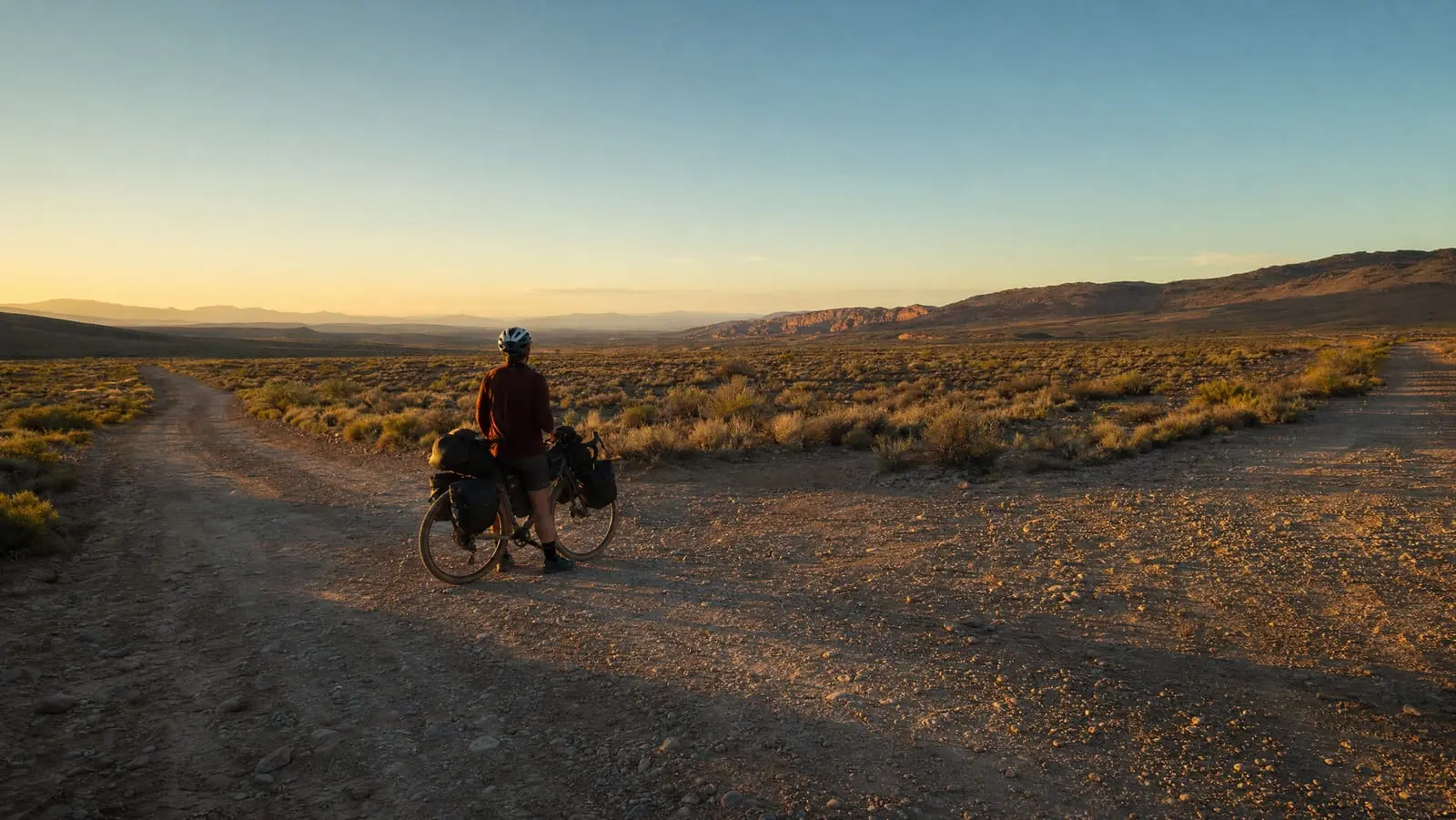
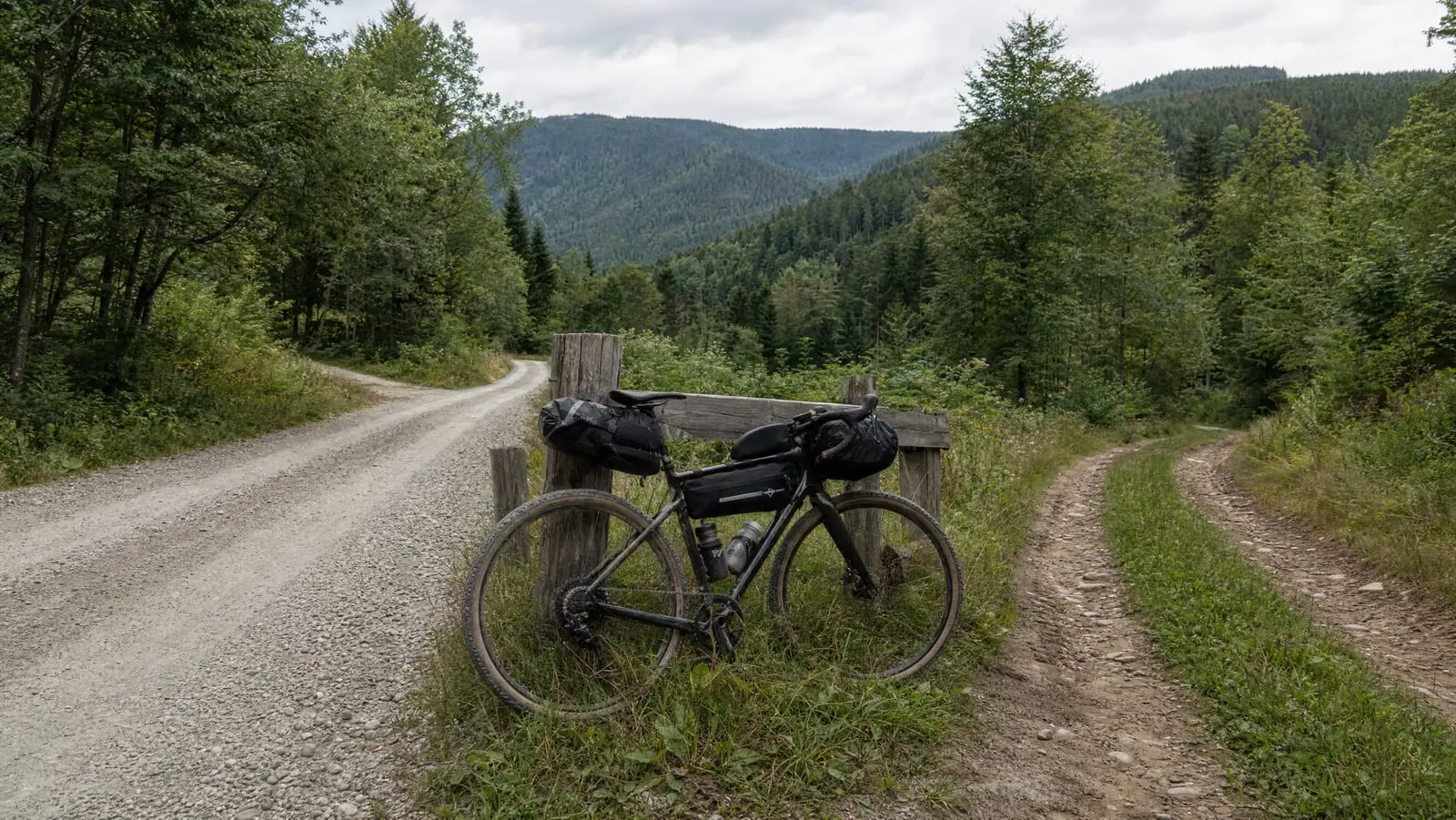
Day six of your expedition. You arrive at a junction. Left goes uphill but is shorter. Right is longer but follows the valley. Your map shows both connect eventually. Simple choice, right?
Except you've already made a hundred decisions today. You decided when to wake, what to eat, how much water to filter, which layer to wear, when to stop for breaks, how to respond to that dog, whether that noise was concerning, where to refill bottles. Each decision, however small, drew from a finite daily resource.
Now you're standing at this junction, and you can't think. Both options seem equally terrible. The choice feels impossibly consequential even though it barely matters. You're experiencing decision fatigue—the cognitive depletion that makes experienced bikepackers abandon trips not because they can't pedal but because they can't think.
This guide covers how decision fatigue manifests during bikepacking, why it's dangerous, and strategies for preserving cognitive function across multi-day trips. For the broader mental framework, see the Complete Mental Resilience Guide.
Understanding Decision Fatigue
The Science
Your brain uses the same limited resource for all decisions—trivial and critical alike. This resource depletes with use and partially replenishes with sleep, food, and rest.
Research shows that judges grant parole at much higher rates in the morning than afternoon. It's not that afternoon prisoners are worse—it's that tired judges default to the easier choice (denial). The same pattern affects your bikepacking decisions.
Key findings:
- Decision quality degrades throughout the day
- More options = faster fatigue (the paradox of choice)
- Depleted decision-makers either make impulsive choices or avoid choosing at all
- Glucose affects decision capacity
The Bikepacker's Unique Burden
Bikepacking demands extraordinary cognitive load:
Navigation decisions:
- Which fork to take
- When to check the map
- Whether you're on route
- How to correct when lost
Physical management:
- When to eat
- How much water to filter
- What to wear as conditions change
- When to rest vs. push
Safety assessments:
- Is this situation dangerous?
- Is this person trustworthy?
- Is this camp location safe?
- Is this weather concerning?
Logistical planning:
- Where to resupply
- Where to sleep tonight
- How to pace for the day
- What to prioritize when plans fail
Normal daily life involves far fewer decisions. Travel adds. Remote travel adds more. Self-supported remote travel adds enormously. No wonder bikepacking exhausts the mind as much as the body.
Recognizing the Signs
Early Warning
Difficulty with simple choices: Spending ten minutes deciding which energy bar to eat. Staring at two identical camp spots unable to choose. Paralysis on trivial matters signals depleted reserves.
Avoidance: Putting off decisions hoping they'll resolve themselves. Taking whatever option requires least thought, regardless of suitability. Going with defaults even when they're clearly wrong.
Irritability: Snapping at minor frustrations. Disproportionate emotional response to small problems. Everything feeling harder than it should.
Mental fog: Difficulty processing information. Re-reading map sections repeatedly. Forgetting decisions you just made.
Late Stage
Poor decisions: Making choices that are obviously wrong in retrospect. Taking risks you normally wouldn't. Ignoring clear warning signs.
Impulsivity: Snap decisions without consideration. Choosing the first option to end the discomfort of deciding. Abandoning thoughtful processes.
Decision abdication: Refusing to decide at all. Letting circumstances dictate outcomes. Complete cognitive shutdown on choice-dependent actions.
If you reach late-stage decision fatigue, your judgment is compromised. Avoid major decisions until you've rested and eaten.
Prevention Strategies
Pre-Trip Decision Reduction
The best defense against trip decision fatigue is making decisions before the trip starts.
Standardize your kit: Use the same gear configuration every time. The same packing arrangement. The same clothing system. Familiarity eliminates decision points.
Plan your nutrition: "Automate routine choices by creating systems for repetitive decisions: meal plans, wardrobe capsules, recurring calendar blocks. This frees mental energy for high-value decisions."
Decide in advance: breakfast is always X, lunch is always Y, snacks are always Z. On-trip, you execute the plan rather than inventing meals from scratch.
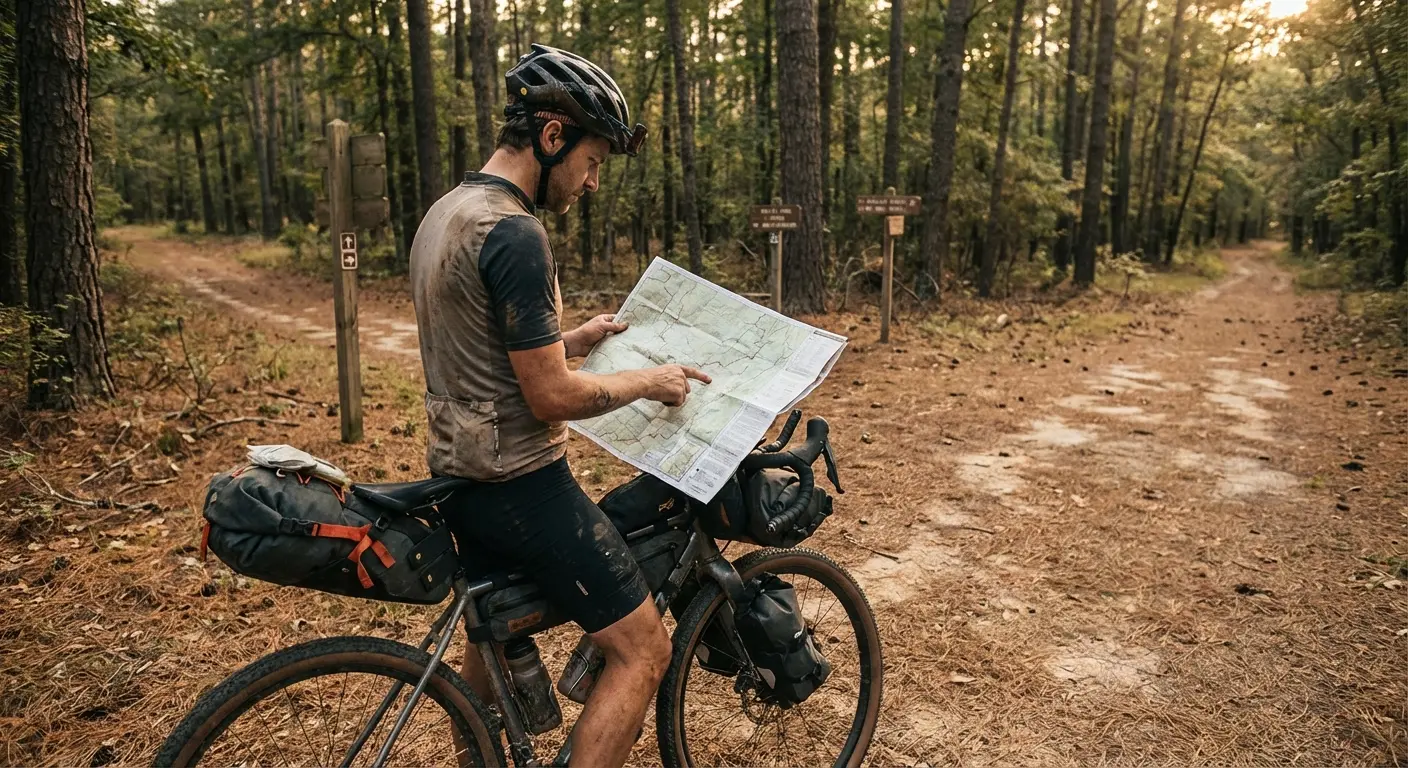
Route pre-decisions: Study the route thoroughly. Know the decision points in advance. "When I reach the split at mile 47, I'll take the right fork." This converts on-trail decisions into plan execution.
Create decision rules: "If [condition], then [action]" rules eliminate deliberation:
- If bottles below half at water source → fill up
- If weather turns → put on rain layer immediately
- If feeling off → eat something before diagnosing further
- If uncertain about camp by 5 PM → take next reasonable option
During the Trip
Protect morning cognition: "Schedule critical choices for when your energy is highest (usually mornings). This improves decision quality and reduces stress later in the day."
Handle navigation complexity, route decisions, and planning in your freshest hours. Save simple execution for tired afternoons.
Batch decisions: Instead of re-deciding at every junction, make navigation decisions for the next two hours at once. Decide on breaks and meals for the whole day in the morning. Group related choices.
Reduce options: When overwhelmed, artificially limit choices. Instead of "where should I camp?" try "I'll camp at the next reasonable spot I find after mile 50." The constraint does the deciding for you.
Routine everything possible: Same morning sequence. Same camp setup process. Same evening wind-down. Routines run on autopilot, conserving decision energy.
Recovery Strategies
When Depletion Hits
Eat immediately: Decision-making requires glucose. A snack can shift cognitive function within 15-20 minutes. When you can't think, eat—even if you don't feel hungry. Keep quick-access energy bars in your top tube bag for exactly these moments.
Simplify radically: When overwhelmed, narrow focus to just the next action. Not the whole day, not even the next mile—just the next thing. "Put on my rain jacket" is easier than "figure out what to do about this weather."
Take a real break: Not a brief stop while remaining in decision mode. An actual break where you eat, rest, and let your mind disengage from trip management. Fifteen minutes of true rest beats an hour of depleted continuation.
Postpone major decisions: If you need to decide something important—route changes, trip modifications, whether to continue—and you're depleted, delay the decision. "I'll decide about this in the morning" is usually better than deciding poorly now.
After Hard Days
Sleep prioritizes: Sleep is when cognitive resources substantially replenish. A day of heavy decision load requires good sleep—prioritize finding decent camp and getting adequate rest.
Easy start tomorrow: Follow decision-heavy days with simpler ones where possible. Straightforward navigation, familiar terrain, minimal planning needs. Let your mind recover.
The Paradox of Choice
Why More Options Isn't Better
Modern bikepacking offers unprecedented options: infinite route variations, endless gear choices, constant connectivity enabling real-time replanning. This abundance seems like freedom but often creates paralysis.
"When overwhelmed by options during route planning, one useful approach is to pick your key interest points (places you want to go or things you want to do), then connect the dots. It's much easier to plan segment by segment."
More options = more decisions = faster fatigue. Constraints that limit options can feel liberating.
Practical Limits
Route planning: Research 3 route options maximum, then commit to one. Don't keep second-guessing. Don't redesign mid-trip unless safety requires it.
Gear decisions: Stop gear comparisons after evaluating 5 options. "Good enough" gear used confidently beats "optimal" gear chosen anxiously.
Camp selection: Set simple criteria (water, flat, sheltered), take the first spot that meets them. Don't keep looking for something better.
"Good Enough" as Strategy
The pursuit of optimal exhausts cognitive resources that could be used for execution. Experienced bikepackers often seem decisive not because they have better judgment but because they've learned that quick, adequate decisions confidently executed outperform slow, optimal decisions made with hesitation.
Make a reasonable choice. Commit to it. Move on. The mental energy saved matters more than the marginal improvement of finding the "best" option.
High-Stakes Decisions
When Quality Matters Most
Not all decisions are equal. Some deserve careful consideration even when tired:
- Safety judgments about weather, terrain, or situations
- Trip-altering route changes
- Whether to continue or end the trip
- Responses to injury or illness
For these, invoke protective protocols:
The overnight rule: For major decisions, sleep on it if possible. What seems certain at night may look different in the morning.
The phone-a-friend option: Call someone whose judgment you trust. Describe the situation. Ask what they'd do. External perspective can cut through depleted thinking.
The crowd-of-one test: Imagine a hundred bikepackers in your exact situation. What would a reasonable person advise? This bypasses personal ego to access practical wisdom.
Never Decide When...
Avoid significant decisions when:
- You haven't eaten in hours
- You haven't slept adequately
- You're in physical distress
- You're emotionally overwhelmed
- You've already made many decisions today
If the decision can wait, let it wait.
Technology Help and Harm
How Tech Reduces Decisions
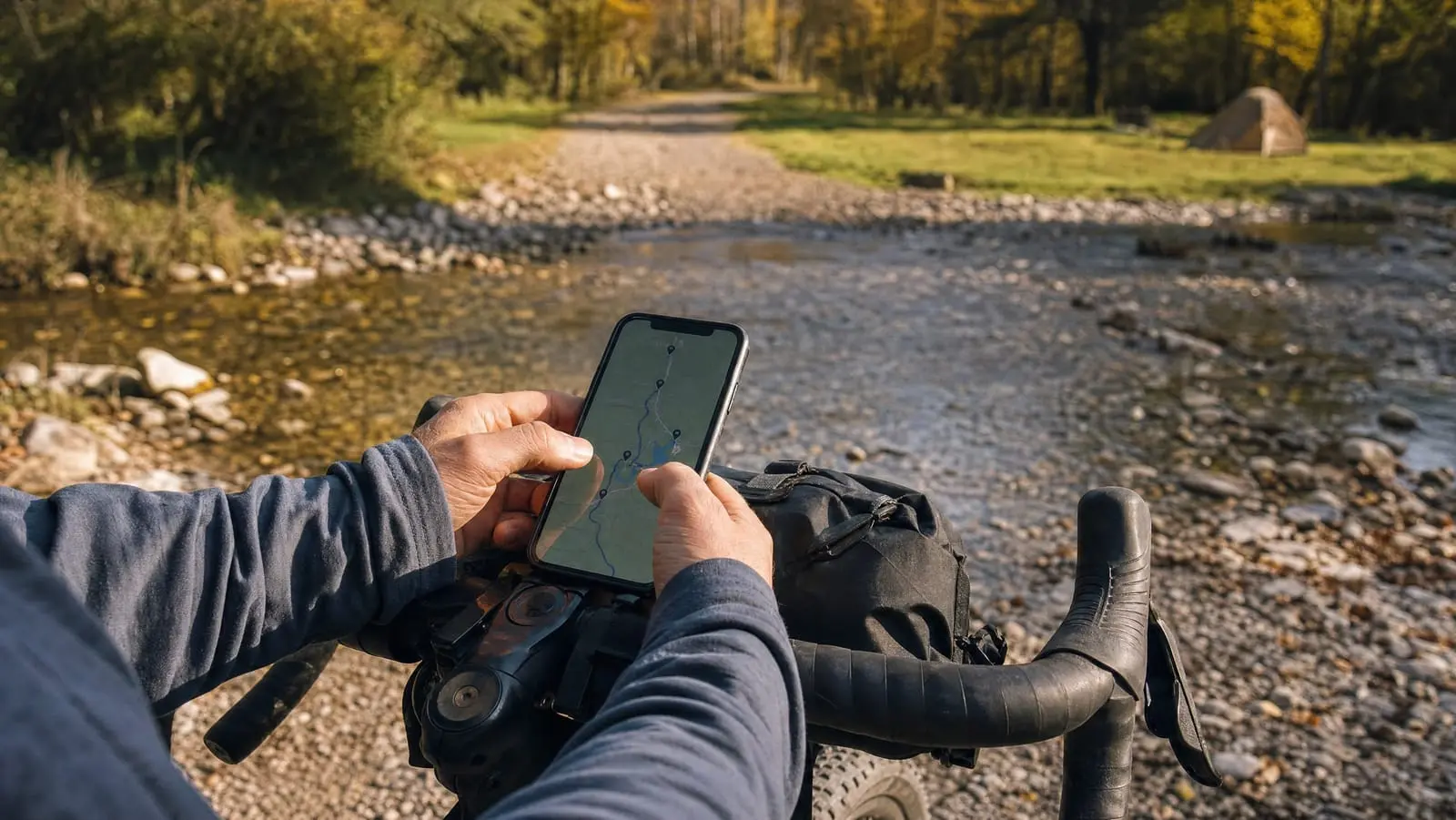
GPS navigation: Quality navigation devices like the Garmin Edge 540 remove constant route-checking decisions. Follow the line; don't reinvent navigation at every turn.
Pre-built routes: Using established routes eliminates route-design decisions entirely. Someone else already determined the sensible path.
Digital planning: Apps that calculate water needs, estimate timing, identify services—these automate cognitive work you'd otherwise do manually.
How Tech Adds Decisions
Constant connectivity: Every notification is a decision point: respond now? Later? Ignore? Phones create endless micro-decisions.
Option proliferation: Apps showing every possible route, campsite, service—more options mean more choosing.
Real-time replanning: The ability to constantly adjust plans enables constant adjustment anxiety. Sometimes less information is better.
Balance
Use technology that reduces decisions: GPS with pre-loaded routes, offline maps, automated tracking. Limit technology that creates decisions: social media notifications, endless route options, constant weather checking.
Consider airplane mode for stretches where you don't need connectivity. The silence creates space.
Trip Structure for Cognitive Sustainability
Alternate Intensity
Hard days followed by easy days. Navigation-complex sections followed by simple ones. Build recovery into your trip structure.
Example week structure:
- Day 1: Moderate (adaptation)
- Day 2: Hard (peak cognition)
- Day 3: Easy (recovery)
- Day 4: Moderate
- Day 5: Hard
- Day 6: Easy (zero day or light riding)
- Day 7: Moderate
Plan Cognitive Load, Not Just Miles
When designing trips, consider mental demand alongside physical demand:
High cognitive load:
- Complex navigation
- Unfamiliar terrain
- Many decision points
- Variable conditions
Low cognitive load:
- Simple route (one road)
- Familiar terrain
- Few decision points
- Predictable conditions
A 50-mile day on complex terrain may exhaust you more than 80 miles on a straight road. Plan accordingly.
Built-In Simplicity Days
Schedule days with minimal decisions: follow a valley road, visit a town, take a rest day. These allow cognitive recovery while maintaining trip momentum.
Long-Term Cognitive Maintenance
Building Decision Stamina
Like physical endurance, cognitive endurance develops with training:
Practice on training rides: Add navigation complexity to regular rides. Make more decisions deliberately. Build capacity before trips demand it.
Expand comfort zone gradually: Each trip slightly exceeding previous cognitive demands builds tolerance for the next.
Review and learn: After trips, identify where decisions went wrong. Was fatigue involved? What would help next time?
Sustainable Trip Design
Some riders can maintain cognition for weeks; others deplete in days. Know your patterns and design trips accordingly.
Short-trip people: May be suited to weekend adventures and long weekends rather than multi-week expeditions.
Long-trip people: May need slow starts and built-in recovery but can sustain extended travel.
Neither is superior. The key is matching trip design to your cognitive style.
The Bottom Line
Decision fatigue is as real as physical exhaustion—and often more dangerous. Physical tired makes you slow; cognitive tired makes you stupid.
Protect your mental resources through:
- Pre-deciding what you can
- Creating routines that run on autopilot
- Batching related decisions
- Limiting options
- Recognizing depletion signs
- Eating and resting when depleted
- Postponing major decisions when tired
Your brain is part of your performance system. Treat it as carefully as your legs.
For the broader mental framework, see the Complete Mental Resilience Guide.