Dealing with Loneliness on Long-Distance Bikepacking Rides
20+ years testing gear in Colorado backcountry
The Weight of Empty Miles
This article contains affiliate links. We may earn a commission if you make a purchase through our links, at no extra cost to you.
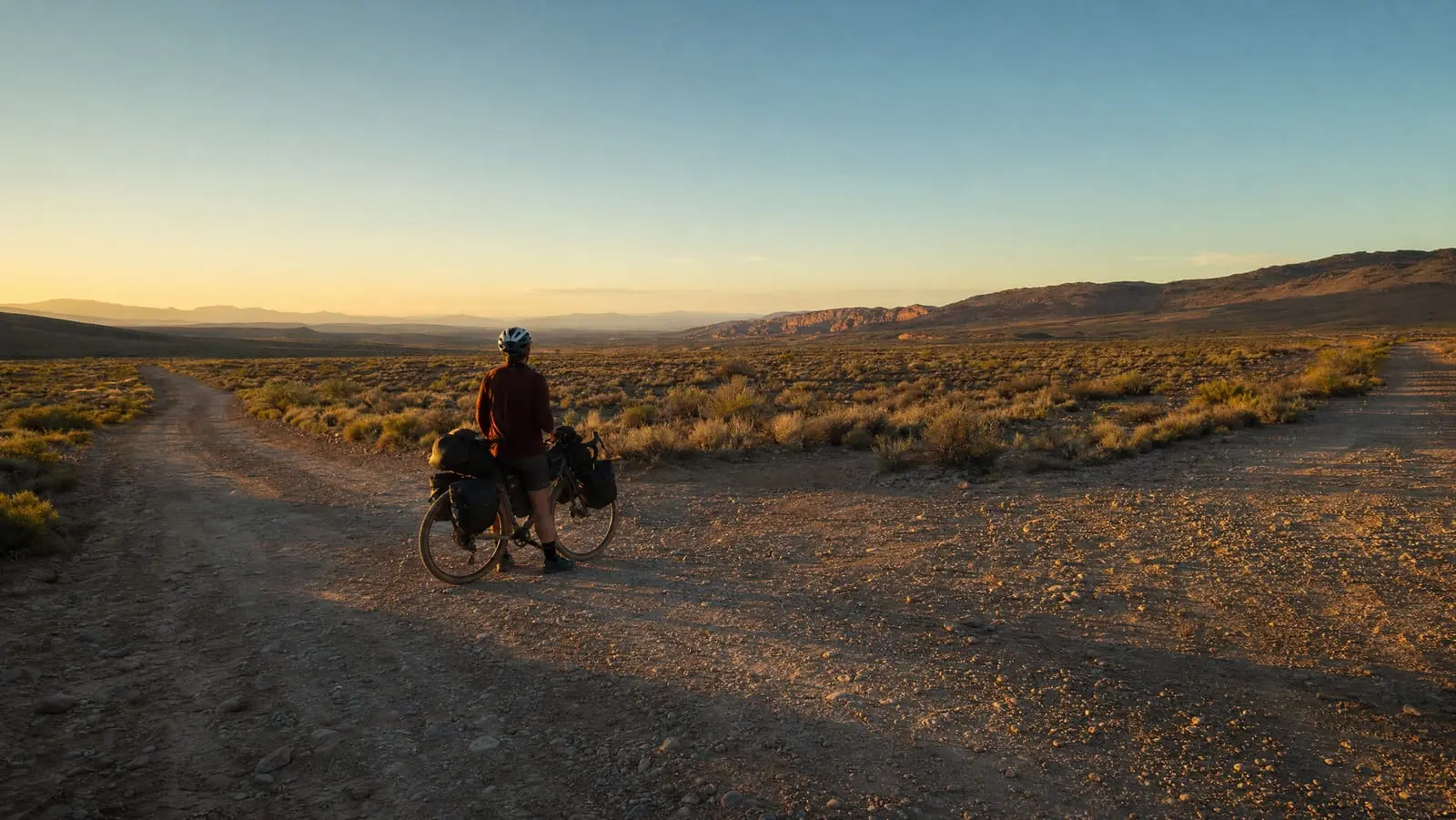
I got to experience the loneliness that was promised in the name by pushing on into the night and never seeing a cyclist again—it forced me into riding my own ride. Embrace the community, embrace the lonely.
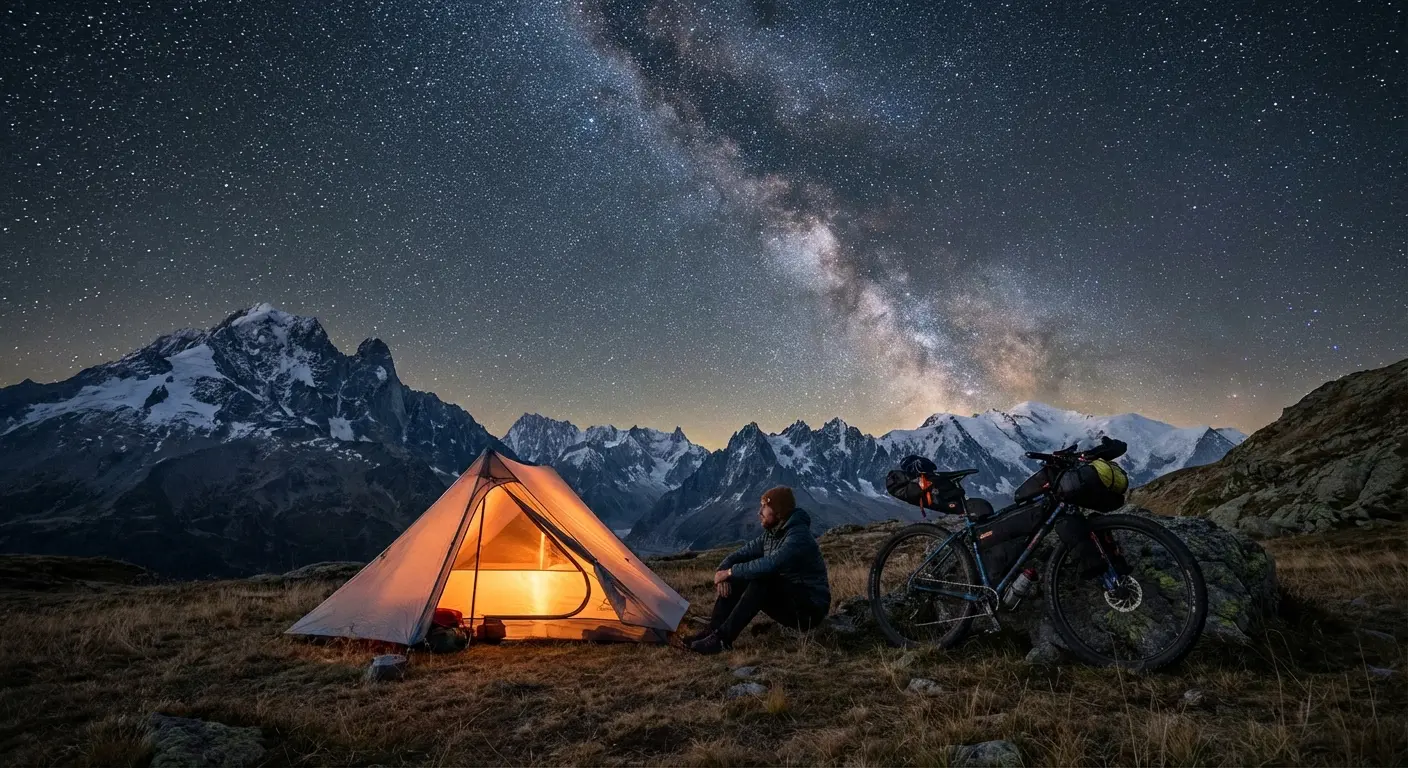
Somewhere around day four of a solo trip, it often hits. You crest a perfect viewpoint with no one to share it. A funny thing happens and there's no one to laugh with. The day ends and you lie in your tent with nothing but the silence and your own thoughts.
This is loneliness—the painful kind that aches in your chest, that makes you reach for your phone for connection even when you know you shouldn't, that can turn a beautiful adventure into an endurance test of isolation.
Loneliness is different from solitude. Solitude is chosen aloneness that nourishes. Loneliness is isolation that depletes. The same objective situation—riding alone through remote terrain—can feel like either, depending on your state of mind.
This guide covers how loneliness manifests during bikepacking trips, why it affects some riders more than others, and practical strategies for transforming painful isolation into meaningful solitude. For the broader mental framework, see the Complete Mental Resilience Guide.
Understanding Bikepacking Loneliness
When It Typically Hits
Loneliness follows predictable patterns:
Days 3-7 of solo trips: The novelty has worn off, but you haven't adapted yet. The trip feels interminably long. Connection feels impossibly far.
Bad weather periods: Rain pounding on your tent, limited visibility, hours of soggy misery—these conditions intensify isolation. You're trapped alone with nothing to distract from the aloneness.
Beautiful moments with no witness: Paradoxically, peak experiences can trigger loneliness. The more stunning the sunset, the more you feel the absence of someone to share it with.
Evening and night: Activity distracts during the day. When pedaling stops, loneliness often arrives.
After social encounters: Brief interactions—a wave from another cyclist, a chat at a store—can highlight how alone you actually are when they end.
Why It Affects People Differently
Personality factors: "More extroverted folks can struggle with loneliness on solo bikepacking trips."
Extroverts gain energy from social interaction. Extended isolation depletes them in ways introverts may not experience. One rider noted: "As an introvert, I can soak up solitude like a dry sponge, taking weeks to start feeling lonely. Extroverts may struggle more."
Prior exposure: First solo trips hit harder. Once you've experienced that loneliness passes and trips still succeed, subsequent instances feel less threatening.
Life circumstances: What's happening at home affects vulnerability. Relationship difficulties, work stress, or major life transitions can intensify trip loneliness.
Trip duration: Weekend trips rarely produce serious loneliness. Week-long and longer trips cross thresholds where isolation becomes significant.
Solitude vs. Loneliness
Recognizing the Difference
Same situation—different internal experience:
| Solitude | Loneliness |
|---|---|
| Time flows easily | Time drags painfully |
| Thoughts feel clear | Thoughts ruminate and spiral |
| Beauty is noticed and appreciated | Beauty reminds you of what's missing |
| Being alone feels like enough | Being alone feels like lacking |
| Present-moment focus | Obsessive future/past thinking |
| Contentment | Aching or emptiness |
Most solo trips include both states at different times. The goal isn't eliminating loneliness—it's spending more time in solitude and less in painful isolation.
What Shifts the Balance
Toward loneliness:
- Exhaustion and depleted energy
- Physical discomfort or pain
- Low blood sugar
- Poor sleep accumulating
- Boring or unpleasant terrain
- Excessive phone checking
- Resistance to the aloneness
Toward solitude:
- Basic needs met (food, rest, comfort)
- Engaging environment
- Sense of purpose and direction
- Acceptance of the situation
- Present-moment attention
- Meaningful activities
- Gratitude practice
Notice that many factors are manageable. You can't control the loneliness directly, but you can address conditions that make it worse.
Immediate Strategies for Hard Moments
When Loneliness Hits Suddenly
The 20-minute commitment: Don't make any decisions for 20 minutes. Eat something. Drink water. Keep moving. Loneliness often passes with time and basic care.
Ground yourself physically: Loneliness lives in your head. Pull attention to your body:
- Notice the sensations in your feet
- Feel the wind on your skin
- Listen to the sounds around you
- Name five things you can see
Talk out loud: It sounds odd, but verbalizing helps. Narrate what you're seeing. Talk through decisions. Comment on the experience. Your voice fills the silence differently than thought does.
Change your sensory input: Put on music or a podcast. The human voices provide pseudo-social contact that can shift your state. Many solo bikepackers use audio content specifically for lonely stretches.
Planned Connection Points
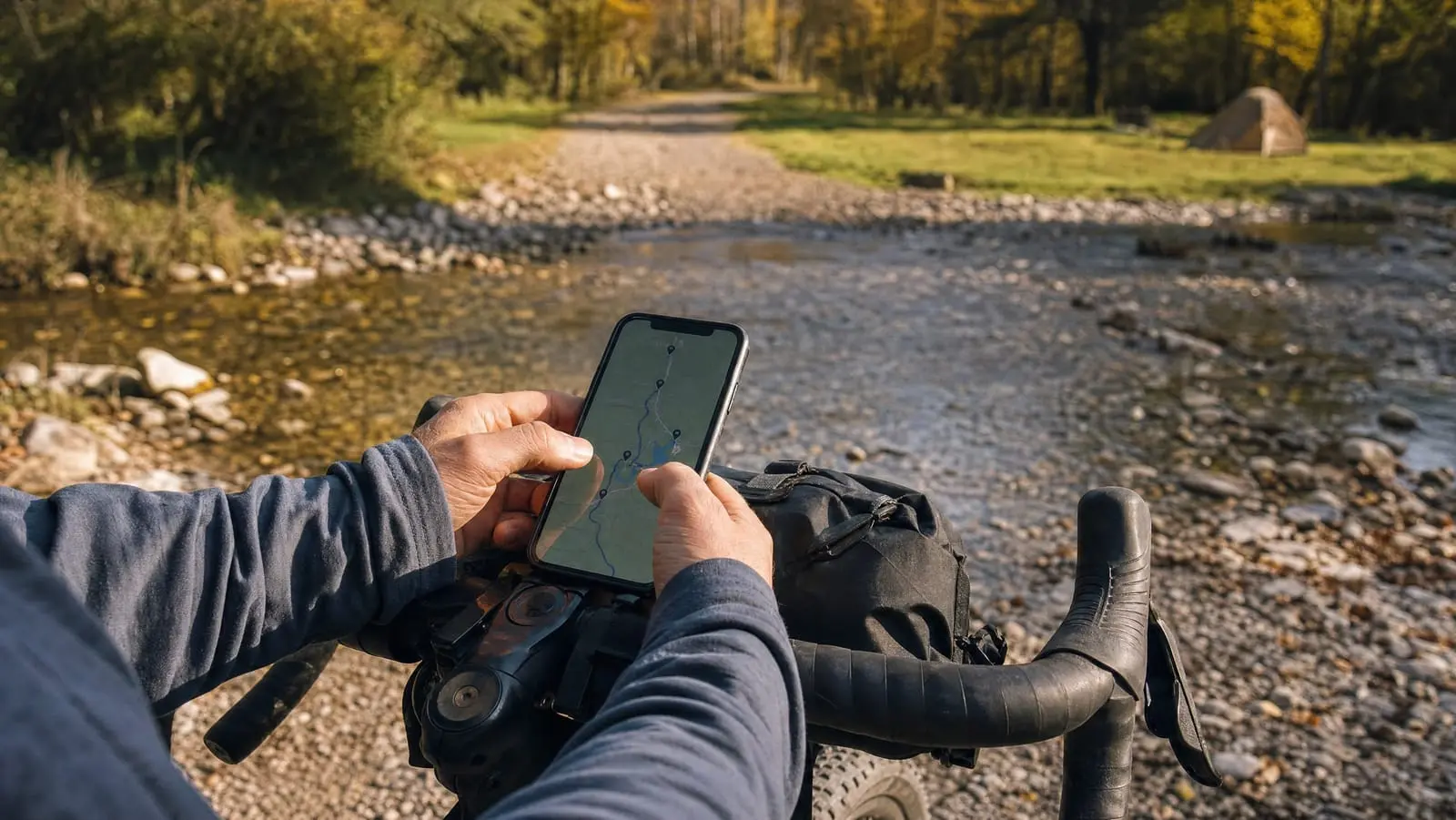
Scheduled calls: Arrange regular check-ins with specific people. "I'll call you at 7 PM each evening" creates something to look forward to and maintains social bonds.
"The social interaction available through a phone can be extremely important for your emotional state, especially when you don't see other riders for a couple of days. Try not to lose time on social media, but checking it occasionally and making a short post can help you feel more connected to the world."
Brief social media use: Strategic—not compulsive—posting creates connection. Share a photo, respond to comments, feel the thread linking you to your people. Then put the phone away.
In-person possibilities: Route through towns where interaction is possible. Stay at hostels occasionally. Strike up conversations with strangers. Solo doesn't require isolation.
Long-Term Strategies
Building Loneliness Tolerance
Like other challenging emotions, loneliness tolerance develops through exposure. Each episode you ride through builds capacity for future episodes.
Progressive solo exposure: Start with manageable durations. Solo day rides. Then overnighters. Then weekends. Extend gradually as tolerance grows.
Reflection after trips: Ask yourself: What was the loneliest moment? How did I handle it? What would I do differently? This learning compounds over trips.
Identity integration: "I'm someone who can be alone" becomes part of how you see yourself. The loneliness still comes, but it no longer threatens your self-concept.
Deepening Solitude Capacity
Mindfulness practice: Mindful cycling trains present-moment attention that counters the rumination underlying loneliness. Regular practice on easier rides builds skills for harder ones.
Journaling: Writing processes experience differently than thinking about it. A bikepacking journal creates an audience for your thoughts—even if that audience is just future you.
Purposeful observation: Make observation a practice. Notice wildlife, geology, vegetation, weather patterns. Detailed attention to environment provides engagement that displaces isolation.
Gratitude focus: Explicitly noting what you're grateful for—even small things—shifts emotional tone. "I'm glad for this dry sleeping bag. Glad for this view. Glad for my capable body."
The Introvert-Extrovert Dimension
Extroverts on Solo Trips
If social energy recharges you, extended solo bikepacking requires deliberate adaptation:
Plan social waypoints: Route through populated areas. Stay in hostels or campgrounds. Schedule video calls. Build connection into your trip structure.
Shorten solo stretches: Multiple shorter trips may serve you better than one long expedition. A series of weekends provides adventure without extended isolation.
Bring audio company: Podcasts and audiobooks provide the sensation of human presence. Choose conversational content that feels like being with people.
Consider group options: Bikepacking events offer adventure with social structure. Even self-supported races provide community context.
Introverts on Solo Trips
If solitude recharges you, watch for different traps:
Overdoing isolation: Even introverts need connection. Weeks without meaningful human contact can shift solitude into something less healthy.
Using solo trips to avoid: If bikepacking becomes an escape from difficult relationships or emotions, you're avoiding rather than experiencing. "The reality is that you can't actually ride away from your problems."
Returning depleted: Extended isolation can leave you unpracticed at social skills. Allow transition time before resuming normal social demands.
Night Loneliness
Why Evenings Are Hardest
Activity distracts. Movement provides focus. When riding stops and darkness falls, there's nothing between you and the aloneness.
The transition from daylight activity to nighttime stillness concentrates loneliness. Many bikepackers report evenings as the hardest period.
Evening Strategies
Create ritual: Predictable evening routines provide structure and comfort. Same dinner process. Same wind-down activities. The familiarity counters the foreignness of new places.
Engage your mind: Reading, journaling, listening to something engaging. Give your brain focused activity rather than leaving it to ruminate.
Early sleep: If evenings are hard, shorten them. Going to bed earlier isn't failure—it's strategy.
Allow the feeling: Sometimes the move is to simply feel the loneliness without resisting. Acknowledge it. Let it be there. Often it passes more quickly when not fought.
Connection and Strangers
The Solo Rider Paradox
"When you are alone you are much more approachable. People are more likely to say hi to a solo rider, more likely to offer assistance and hospitality. Encounters tend to be more common and often deeper when riding alone."
Solo travel often produces more human connection than group travel—just in different forms. Locals approach solo riders. Brief encounters become significant. Help gets offered that wouldn't reach a group.
Openness to Encounters
Be approachable: Smile. Make eye contact. Don't hide behind headphones in settings where interaction is possible.
Say yes to invitations: The offer of food, shelter, or company from strangers—these are the encounters that become story highlights. Within reasonable safety boundaries, accept hospitality.
Initiate conversation: Ask about the area. Comment on something specific. Most people enjoy sharing knowledge about their place. These brief exchanges can sustain you through lonely stretches.
Digital Connection Wisely Used
Your phone connects you to your people—use this intentionally.
What helps:
- Brief calls with people who understand what you're doing
- Short posts that create response loops
- Photos shared with specific recipients
- Voice messages to close friends
What usually hurts:
- Endless social media scrolling
- Comparing your experience to others' highlight reels
- Constant checking that prevents present-moment engagement
- Using digital contact as avoidance of real experience
The phone is a tool. Use it when it serves; put it away when it doesn't.
When Loneliness Persists
Beyond Normal Difficulty
Occasional loneliness is inherent to solo travel. Persistent, crushing isolation that doesn't respond to strategies may indicate:
- The trip is longer than you're currently ready for
- You need more human contact in your trip structure
- There's something at home requiring attention
- Depression or anxiety requiring professional support
Be honest with yourself about which applies.
Adjusting the Trip
If loneliness is dominating the experience:
Add social stops: Reroute through towns. Book a hostel. Call someone for a long conversation.
Shorten the timeline: Completing a shorter trip successfully beats suffering through a longer one. There's no prize for maximum misery.
Bring someone in: Can someone meet you for a section? Transform solo into partial-company.
End early without shame: If the loneliness has become damaging rather than challenging, stopping is appropriate. See When to Quit.
After Difficult Trips
If loneliness was a major challenge:
Process the experience: Talk to someone about it. Journal about what happened. Don't just move on—learn from it.
Identify what would help next time: Shorter duration? Different route? More check-ins? Better strategies? Each difficult trip teaches something.
Don't avoid future solo travel: Unless the experience revealed fundamental incompatibility with solo trips, try again with adjustments. One hard trip doesn't define your capability.
The Gifts of Loneliness
Managed properly, loneliness teaches:
Self-reliance: You discover you can tolerate what you thought you couldn't. This knowledge serves you far beyond bikepacking.
Appreciation for connection: Loneliness clarifies the value of relationships. Many riders return from solo trips more grateful for their people.
Self-knowledge: "Solo bikepacking provides an opportunity for deep introspection and a profound connection with nature. The solitude allows for self-discovery and a chance to escape the noise of everyday life."
What emerges when no one else is present? Who are you when you're not performing for others? Solo travel answers questions you might not have known to ask.
Presence capacity: Learning to be content alone builds capacity for presence that enriches all experience—solo or not.
The loneliness itself isn't the gift. What you develop by moving through it is.
Finding Your Balance
There's no universal prescription. Some riders thrive on long solo expeditions; others are better suited to shorter trips or group travel. Neither is superior.
What matters is knowing yourself well enough to structure trips that challenge without destroying, that provide solitude without crushing loneliness, that build capability without burning out your love for the sport.
Experiment. Reflect. Adjust. Over time, you'll find your balance—the right duration, the right route structure, the right connection supports for your particular psychology.
The loneliness will still come sometimes. That's part of the experience. But it doesn't have to dominate, and it doesn't have to stop you.
For the broader mental framework, see the Complete Mental Resilience Guide.