Solo Bikepacking: How to Ride Alone with Confidence
20+ years testing gear in Colorado backcountry
The Case for Riding Alone
This article contains affiliate links. We may earn a commission if you make a purchase through our links, at no extra cost to you.
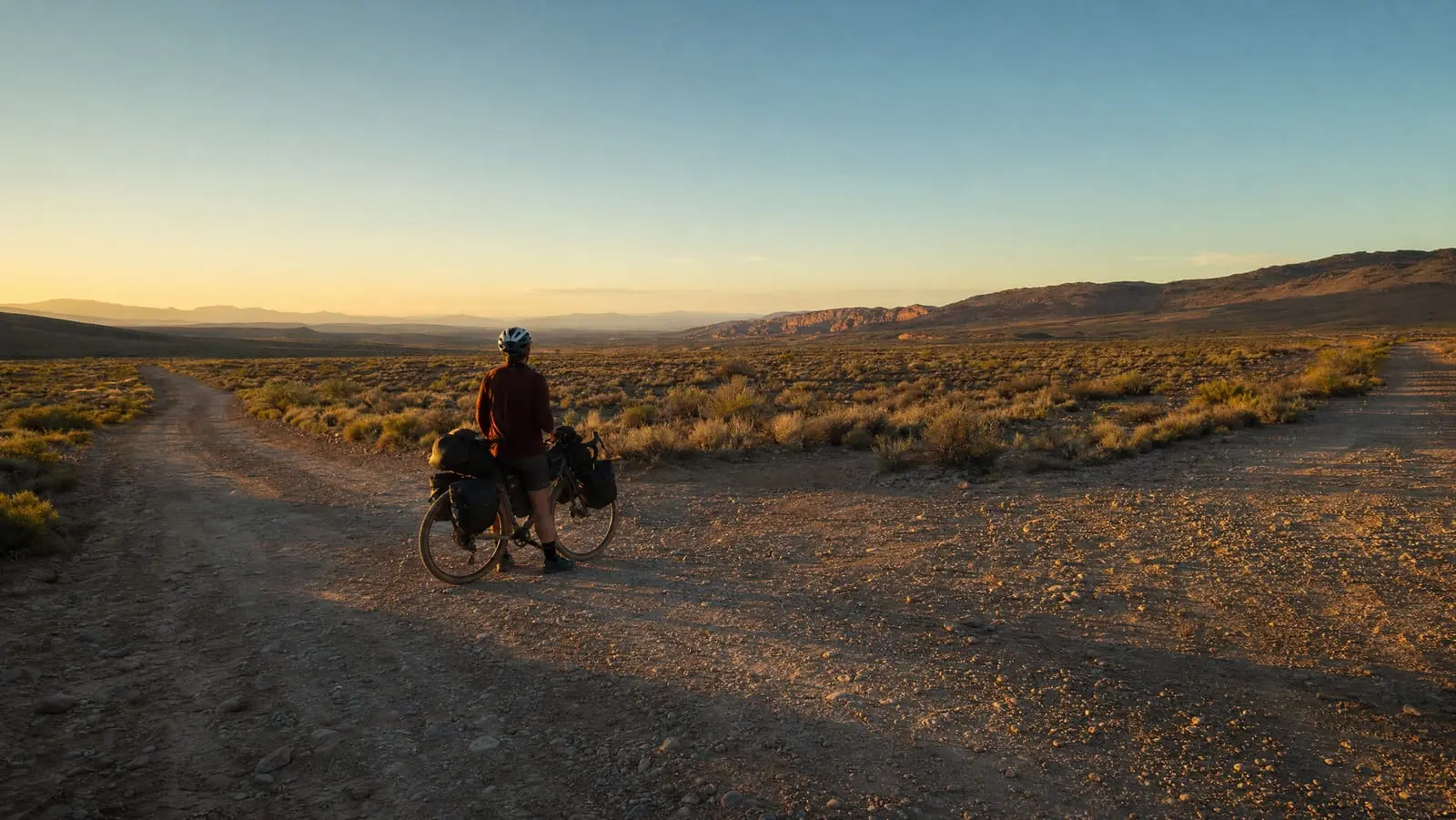
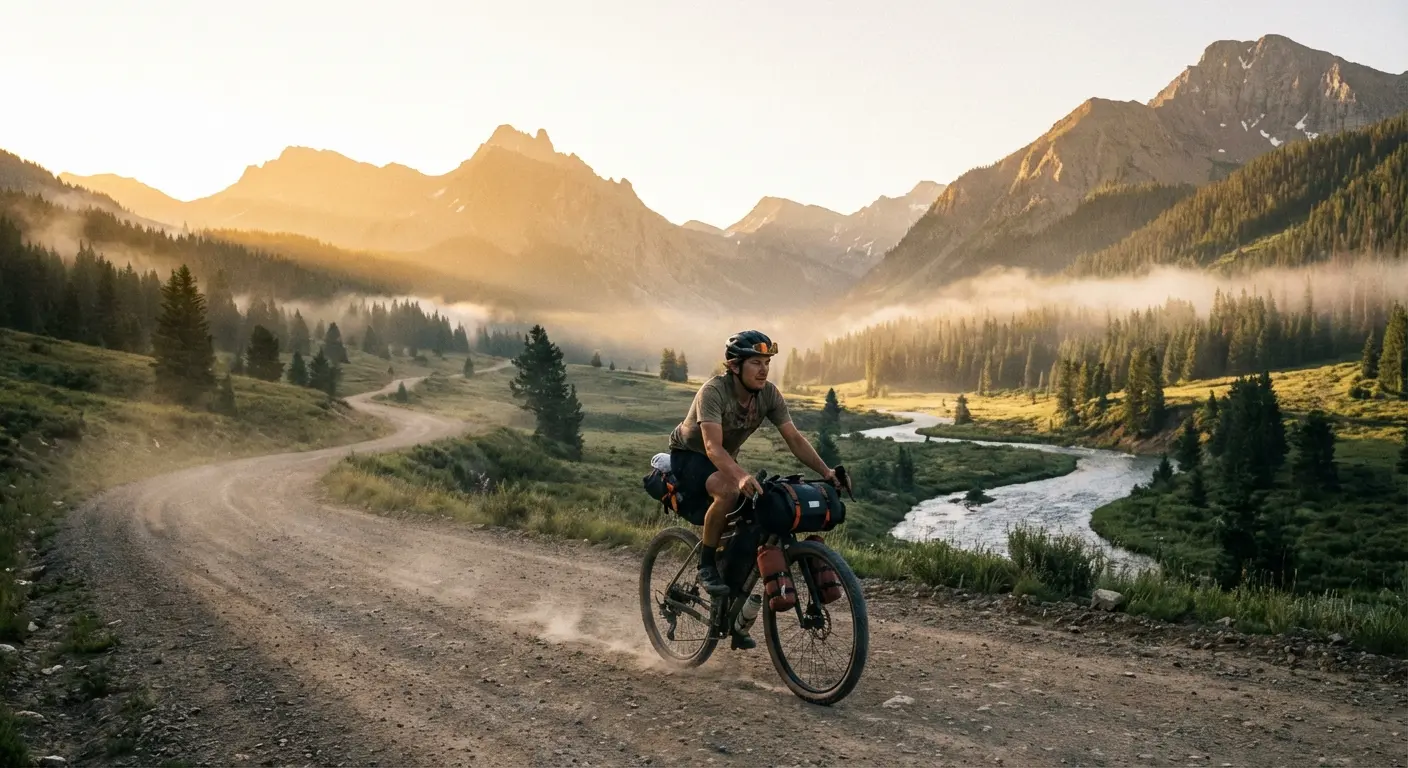
Although riding with friends is great, there's something special about bikepacking alone. It's like therapy—being completely solo in the middle of nowhere seems to take all the thoughts bouncing around your head and put them back in order.
Bikepacking alone isn't for everyone. But for many riders, solo travel provides experiences unavailable any other way—deeper self-knowledge, more authentic connections with strangers, complete freedom to follow your energy, and a quiet that lets thoughts finally settle.
The challenges are real: no one to share decisions, no buffer against fear, no built-in support when things go wrong. But the rewards match the risks. Solo bikepackers often return from trips fundamentally changed—more confident, more self-aware, more certain of their own capabilities.
This guide covers everything you need to ride alone successfully: practical safety strategies, managing the psychological challenges, building confidence progressively, and finding the deep satisfaction that solo travel uniquely provides.
For the broader mental framework, see the Complete Mental Resilience Guide that covers all aspects of bikepacking psychology.
Why Solo Bikepacking Hits Different
Benefits You Can't Get Riding with Others
Deeper self-connection: "Those with people-pleasing tendencies sometimes find it hard to sense their own preferences through the mental noise of navigating joint decisions. Taking other people out of the equation allows a deeper awareness to emerge—many feel most intuitive and in touch with themselves a few days or weeks into a solo bikepacking trip."
When no one else is present, you can't outsource decisions. You must learn what you actually want: What pace feels right? When are you hungry versus eating from habit? What terrain excites versus depletes you? Solo riding forces this self-knowledge.
More meaningful connections: "When you are alone you are much more approachable. People are more likely to say hi to a solo rider, more likely to offer assistance and hospitality. Encounters tend to be more common and often deeper when riding alone."
Paradoxically, solo travel often produces more human connection than group travel. Locals approach solo riders. Other travelers share meals. The temporary bonds formed on the road sometimes outlast friendships made in ordinary life.
Total flexibility: No negotiations about rest stops. No compromising on pace. No accommodating someone else's energy when yours runs different. If you want to ride until midnight or camp by noon, nothing stops you. This freedom—while demanding complete responsibility—allows trips that perfectly match your nature.
Unfiltered experience: Without companions to process experience through, you absorb your surroundings directly. The landscape enters you differently when there's no chatter to fill the space. Many solo bikepackers describe a quality of attention—almost hyper-present—that group dynamics prevent.
The Real Challenges
Honesty about difficulties helps you prepare:
Constant hypervigilance: "When riding solo, the constant low-level hypervigilance can be exhausting. When riding with others, cyclists often feel nearly invincible by contrast."
Your brain won't fully relax because no one else monitors for danger. This background alertness accumulates into fatigue that pure physical exertion doesn't explain.
Amplified fear: Night sounds feel threatening. Mechanical problems seem catastrophic. Every ambiguous situation triggers worst-case thinking. Without another person to reality-check your fears, anxiety can spiral.
Decision responsibility: Every choice is yours—route, timing, risk assessment, emergency response. This autonomy feels liberating until you're exhausted at a junction with no obvious good option.
Loneliness: Not solitude—loneliness. The painful kind. It hits unexpectedly: a beautiful view with no one to share it, a funny moment with no one to laugh, a hard day with no one who understands. More on managing this here.
Safety Strategies for Solo Riders
Before You Leave
File a trip plan: Share your route, timeline, and checkpoint expectations with someone reliable. Include:
- Daily intended locations
- Expected communication times
- What to do if they don't hear from you
- Emergency contact numbers for local authorities
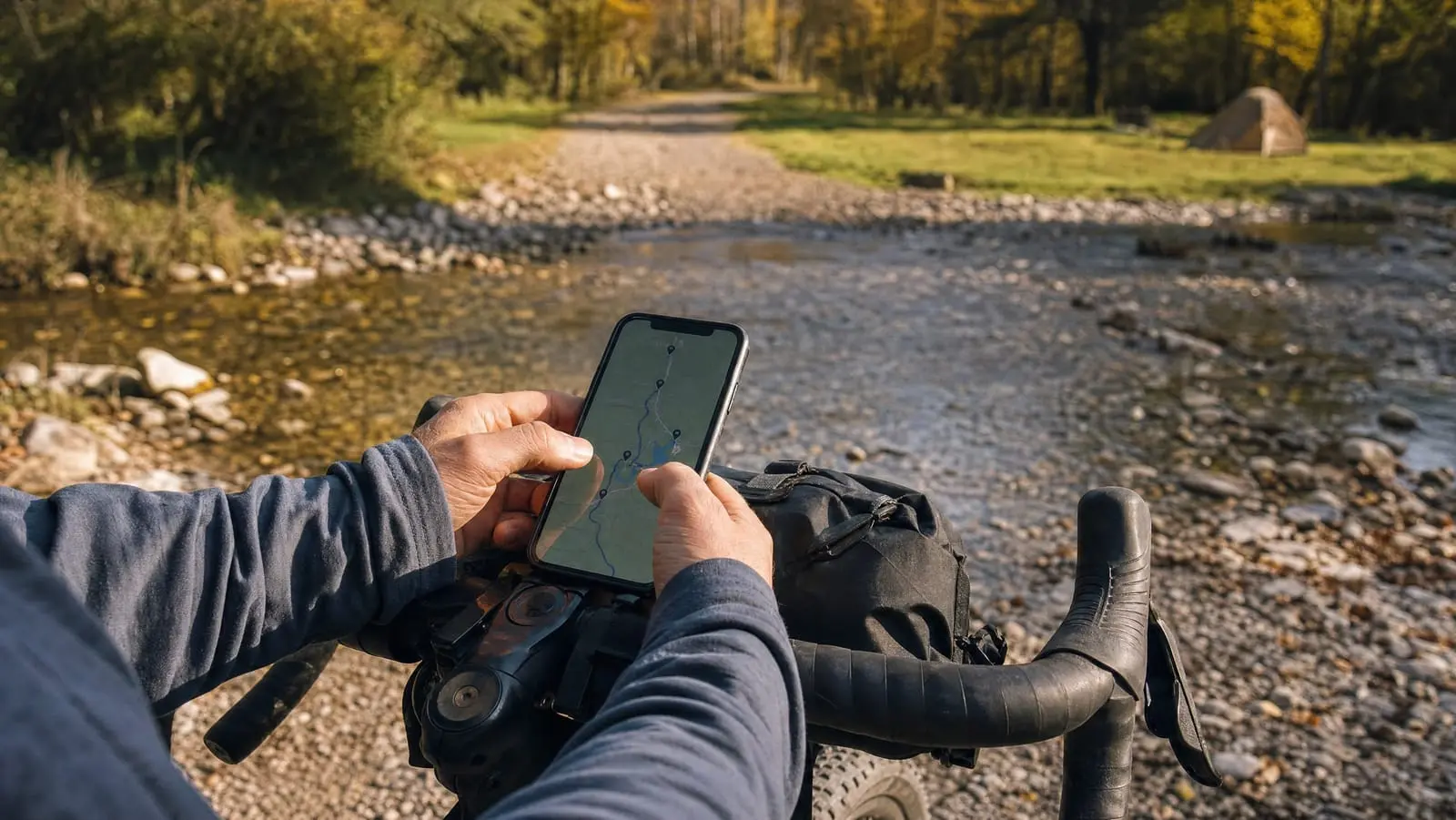
Carry communication devices: Your phone alone isn't enough in remote areas. A Garmin inReach Mini 2 or similar satellite messenger provides:
- Two-way texting from anywhere
- SOS function that contacts emergency services
- Tracking that loved ones can follow
- Peace of mind that reduces background anxiety
Know your bailouts: Before each section, identify:
- Where you could exit the route if needed
- What services exist along the way
- How far to help from various points
- Contingency options if plans fail
Research the area: Understand local conditions:
- Wildlife concerns and appropriate responses
- Traffic patterns and dangerous roads
- Water availability
- Weather patterns
- Cell coverage
On the Trail
Trust your instincts: If something feels wrong, honor that feeling. You're not being paranoid; you're being attentive. Leave situations that create unease—you can always reconsider from a safe position.
Make your presence known: When encountering strangers:
- Mention that people know your location
- Reference the friend you're meeting ahead
- Be friendly but maintain boundaries
- Trust first impressions
Manage risk progressively: Don't save all the technical challenges for late in the day when you're tired. Handle the hardest sections when you're fresh and the most remote sections during daylight.
Check in regularly: Establish a communication rhythm with your contact person. Brief daily check-ins provide safety verification and emotional support simultaneously.
Building Solo Confidence Progressively
The Graduated Exposure Approach
Don't jump from group rides to a solo multi-week expedition. Build progressively:
Level 1: Solo day rides Start with familiar routes you've done with others. Experience being alone in your local environment first. Progress to unfamiliar routes as comfort grows.
Level 2: Local overnighters Camp solo within easy reach of home or services. Work through first-night anxiety in low-stakes conditions. You can always bail if it's too much.
Level 3: Weekend adventures Two-day routes that are genuinely remote but short enough to be low-commitment. Encounter multiple nights of solo camping. Practice self-sufficiency for 48+ hours.
Level 4: Multi-day routes Extended trips where you're truly committed. Multiple days before resupply or exit options. This is where the deep transformation happens.
Level 5: Extended expeditions Weeks-long adventures in challenging terrain. Complete autonomy. The full solo experience.
Attempting to skip levels usually backfires. Confidence built on inadequate experience crumbles under pressure. Go slower than you think necessary.
What to Practice Before Going Solo
Ensure competence in:
- Basic mechanical repairs: flat changes, brake adjustments, derailleur limits, broken chain repair
- Navigation with map/compass when GPS fails
- Camp setup in various conditions—wind, rain, limited options
- First aid basics and injury assessment
- Water acquisition and treatment
- Emergency signaling and communication
Each skill mastered reduces the scenarios that could go catastrophically wrong alone.
Managing the Psychological Load
The Hypervigilance Tax
Your nervous system treats solo travel as higher-threat than group travel. This isn't irrational—it's evolutionary programming. Managing this background alertness matters for sustainability.
Scheduled relaxation windows: Designate specific times or conditions as "safe enough to relax." During daylight on easy roads, consciously lower your alert level. Save full alertness for when it's needed.
Reality-testing fears: When anxiety spikes, ask: "What's the actual evidence of danger right now?" Usually, the answer is "none"—your brain is imagining threats, not responding to them.
Physical reset practices: When tension accumulates:
- Deep breathing (4-count inhale, 6-count exhale)
- Progressive muscle relaxation while riding
- Singing out loud (surprisingly effective)
- Brief walking breaks to change nervous system state
Thought Patterns for Solo Riding
"My brain exaggerates both ways": Solo, you feel more vulnerable than you are. In groups, you feel more invincible than you are. Neither perception is accurate. Knowing this helps you adjust.
"I've done harder things": Recall specific challenges you've overcome. Not abstract "I'm tough" thoughts—concrete memories: the time you fixed a flat in the rain, the night you navigated despite confusion, the climb that seemed impossible until it wasn't.
"This feeling will pass": Temporary states feel permanent in the moment. Fear, loneliness, exhaustion—all change with time. The mood you're in now isn't the mood you'll be in tomorrow.
First-Night Strategies
The first night alone is often the hardest. Specific strategies help:
Before Dark
- Set up camp with plenty of daylight remaining
- Choose sites that feel secure—not exposed, with some natural shelter
- Complete all essential tasks (eating, water prep) before darkness
- Know your immediate environment so darkness doesn't disorient you
At Camp
- Create a cozy space—arrange your sleeping setup comfortably
- Establish a wind-down routine that signals safety to your nervous system
- Have entertainment accessible (book, podcast, music)
- Keep your headlamp and phone within easy reach
Through the Night
- Accept that first-night sleep may be poor—this is normal
- Don't interpret every sound as a threat
- If anxiety spikes, sit up and look around—often seeing nothing wrong is calming
- Remind yourself: "Millions of people have camped alone safely. So can I."
Each Subsequent Night
It gets easier. The second night is usually better than the first. By the third, most riders find their rhythm. The progression isn't always linear, but the trend is toward comfort.
Solo-Specific Gear Considerations
Communication
A satellite messenger isn't optional for remote solo riding:
| Device | Monthly Cost | Features | Best For |
|---|---|---|---|
| Garmin inReach Mini 2 | $15-50 | SOS, 2-way text, tracking | Most solo bikepackers |
| Zoleo | $20-50 | SOS, 2-way text, weather | Budget option |
| Garmin inReach Explorer+ | $15-50 | SOS, 2-way text, full GPS | Navigation-heavy routes |
The psychological benefit—knowing you can reach help—often exceeds the practical utility.
Safety Upgrades
Better lights: Solo riders benefit from lights that announce presence more dramatically. Consider dynamo-powered systems for extended trips.
Defensive tools: Depending on your comfort and local laws: bear spray, personal alarm, or other deterrents. Most go unused, but having options provides peace of mind.
Comprehensive first aid: Your first aid kit should handle more scenarios when no one else can help. Include supplies for stabilizing injuries until help arrives.
Comfort Items
Solo time amplifies the value of comfort:
- Quality sleep system—you can't borrow warmth from tentmates
- Entertainment for evenings—audiobooks, podcasts, music
- Favorite foods that lift mood
- Small luxuries you wouldn't carry if splitting weight
Making Solo Sustainable
The Extrovert Challenge
"More extroverted folks can struggle with loneliness on solo bikepacking trips."
If you draw energy from people, solo riding requires deliberate adaptation:
- Plan routes through towns where interaction is possible
- Schedule regular video calls with friends
- Stay in hostels occasionally rather than always camping
- Join bikepacking events that are self-supported but social
The Introvert Trap
Even introverts can overdo solitude. Signs you need human contact:
- Talking to yourself more than feels normal
- Emotional flatness that doesn't lift
- Increasing difficulty making decisions
- Physical discomfort without clear cause
Build connection opportunities into your route even if you don't think you need them.
Long-Term Solo
For extended solo trips (weeks to months), additional strategies help:
- Break the trip into segments with social milestones
- Plan rendezvous with friends at accessible points
- Use rest days in populated areas
- Consider alternating solo and social sections
Your First Solo Trip Checklist
Two weeks before:
- File trip plan with trusted contact
- Test all gear in solo conditions
- Confirm communication devices work
- Research route conditions and hazards
- Practice any skills you're uncertain about
The day before:
- Confirm weather forecast
- Send departure message to contacts
- Charge all devices fully
- Prepare first day's food accessibly
- Get proper sleep (easier said than done)
During the trip:
- Check in per your established schedule
- Monitor your mental state honestly
- Use support strategies when needed
- Celebrate small victories
- Adjust plans based on reality, not ego
The Solo Transformation
Something changes in people who ride alone through difficult terrain. The confidence gained is qualitatively different from confidence built in supported settings. You learn that you—specifically you, without backup—can handle what the world throws at you.
This isn't about being tough or pushing through pain. It's about discovering that the person you worried couldn't cope actually can. The fears you imagined would stop you actually don't. The challenges that seemed insurmountable actually aren't.
Jenny Tough, a professional adventurer, puts it simply: "Believe in yourself. It's so cheesy, but seriously! It's going to be a little intimidating to start, but convince yourself that you've got this. Chances are, you've done all the things before: you've been for bike rides, you've camped outside, you've used a map..."
You already have the components. Solo bikepacking just assembles them into something new.
Start small. Build progressively. Trust the process. The confidence follows the experience, not the other way around.
For more on managing the psychological demands of solo riding, see the Complete Mental Resilience Guide.