Women's Bikepacking: Complete Beginner Guide
20+ years testing gear in Colorado backcountry
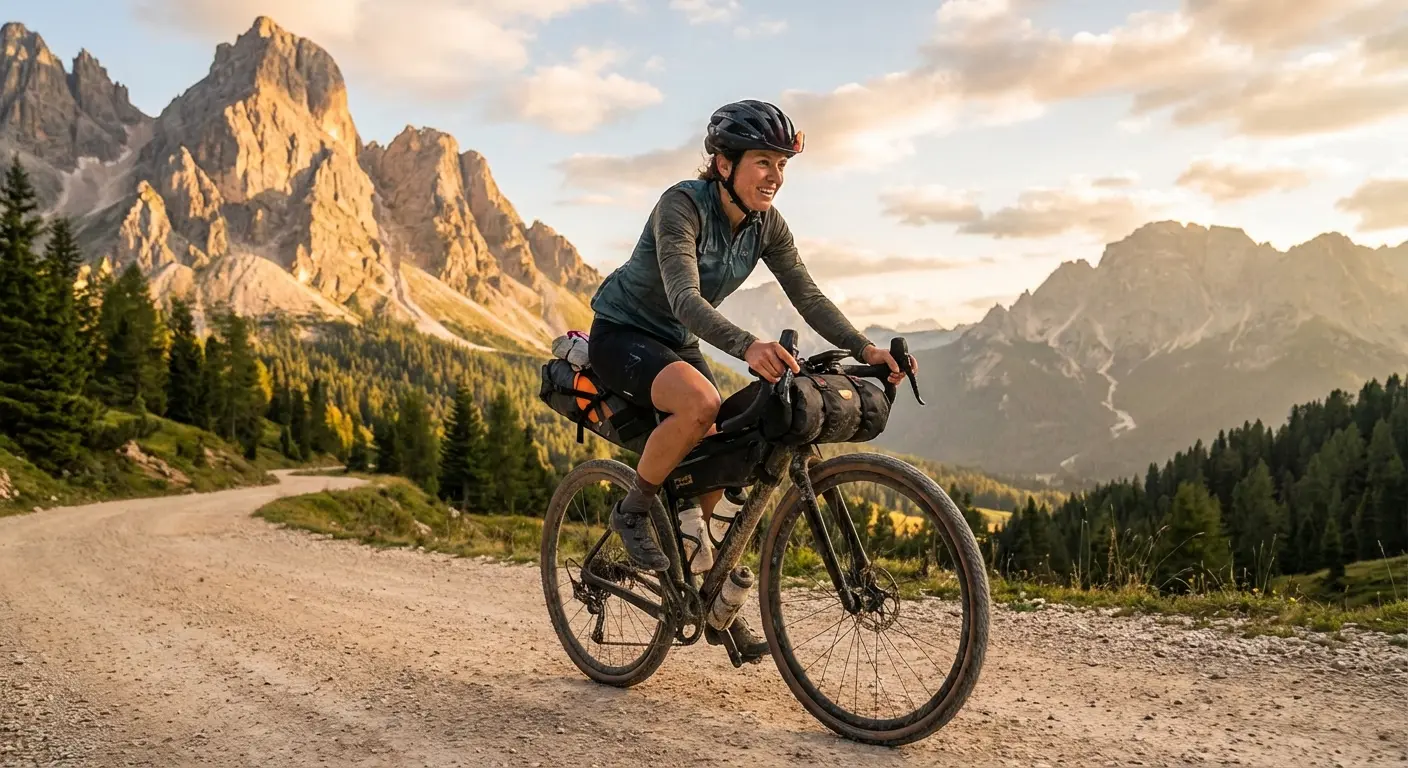
Bikepacking Has No Gender Requirement
Everything in bikepacking applies to everyone. This guide addresses the specific questions, concerns, and considerations that women frequently raise—not because women need different fundamentals, but because practical details sometimes differ.
Women are the fastest-growing demographic in bikepacking. Yet most guides assume a default male reader, leaving women to figure out specific concerns on their own. This guide fills those gaps.
The fundamentals remain identical: carry what you need, ride within your abilities, embrace adventure. For those basics, see our Complete Beginner's Guide. This guide adds the layer of practical considerations that women frequently ask about.
Women-Specific Gear Considerations
Bike Fit
Frame geometry matters more than marketing. "Women-specific" bikes often just mean smaller sizes with shorter reach. Some women fit better on "men's" bikes; some men fit better on "women's" bikes. Fit matters; labels don't.
Key fit considerations:
- Reach to handlebars (smaller torsos need shorter top tubes)
- Standover height (important for loaded bike mounting)
- Saddle choice (more below)
- Handlebar width (typically narrower for narrower shoulders)
A professional bike fit from someone who understands women's bodies specifically—not all fitters do—pays dividends in comfort over long distances.
Saddles
The most common gear complaint from women bikepackers is saddle discomfort. Finding the right saddle often requires trying several options.
Width matters: Sit bones vary regardless of body size. Shops can measure sit bone width; your ideal saddle matches that measurement.
Cutout designs relieve soft tissue pressure for many women. Not everyone needs them, but many find them essential.
What doesn't work:
- Overly padded saddles (compress into pressure points)
- Assuming "women's saddles" automatically fit
- Ignoring discomfort hoping it improves
Budget for experimentation. Demo programs, local classifieds, and generous return policies let you try options without buying five saddles.
Chamois and Shorts
Quality cycling shorts matter enormously. The chamois (pad) reduces friction and provides cushioning where you need it most.
Women's-specific shorts feature:
- Chamois designed for female anatomy
- Higher waist panels
- Different leg length proportions
Bib shorts vs. regular shorts comes down to preference. Bibs stay in place better; regular shorts make bathroom breaks easier—a relevant consideration for multi-day trips.
Hygiene tip: Bring multiple pairs, rotate daily, rinse and dry the off-duty pair. Infections happen when bacteria accumulate.
Sports Bras
Comfort over long hours matters. What works for a two-hour ride might fail over ten hours.
Look for:
- Moisture-wicking fabrics
- Minimal seams (chafing risk)
- Appropriate support for terrain roughness
- Quick-dry materials for multi-day wear
Bring two minimum—one wearing, one drying. Like shorts, rotating reduces infection risk.
Clothing Fit
Jerseys and layers designed for women account for different torso proportions, chest accommodation, and hip-to-waist ratios. Men's clothing works but often fits awkwardly.
Where women's-specific fit helps most:
- Base layers (torso length, chest accommodation)
- Cycling jerseys (shoulder width, hip length)
- Rain jackets (waist and hip proportions)
For complete clothing guidance, see our What to Wear Bikepacking guide.
Hygiene on the Trail
Menstrual Management
Your cycle doesn't have to pause adventures. Many women bikepack through their periods without issue using various management approaches.
Options that work for bikepackers:
Menstrual cups last 12 hours between emptying, reduce pack-out weight, and work well once you're comfortable with them. Popular brands include DivaCup, Saalt, and Lena.
Period underwear provides backup protection and works as primary management for lighter days. Brands like Thinx and Knix make cycling-appropriate options.
Tampons and pads require packing out used items (bring odor-proof bags) but work fine for shorter trips or as backup.
Hormonal options (continuous birth control, IUDs) that reduce or eliminate periods work for some women. Discuss with healthcare providers.
Practical tips:
- Bring hand sanitizer for hygiene when changing
- Dark-colored shorts hide accidents
- Track your cycle to plan accordingly (or expect surprises)
- Pain medication if you experience cramps
Urination
Peeing in the woods is a learned skill. Practice at home before your first trip.
Techniques:
- Find concealment (behind bushes, large rocks)
- Pull shorts to one side rather than removing
- Lean against tree or bike for stability
- Squat low enough to avoid splashing shoes
Female urination devices (FUDs) like Shewee or pStyle allow standing urination. Some women swear by them; others find them awkward. Try before committing.
Tip: Bring toilet paper or a bandana dedicated to this purpose. Pack out used TP in a sealed bag.
Hygiene Without Showers
Multi-day trips without showers require planning:
- Biodegradable wipes for essential cleaning
- Focus on high-friction areas (groin, armpits)
- Change into dry, clean camp clothes
- Rinse cycling shorts when possible
UTI prevention matters more during bikepacking. Stay hydrated, urinate frequently, maintain good hygiene, and consider probiotics. Some women bring UTI treatment (consult your doctor) as insurance on remote trips.
Safety Considerations
Solo Travel
Solo bikepacking is absolutely viable for women. Many women travel solo extensively and safely. But preparation and awareness help.
Risk mitigation strategies:
Share your itinerary with someone who'll notice if you don't check in. Include route details, expected campsites, and check-in schedule.
Trust your instincts. If a situation feels wrong, leave. You don't need to justify discomfort to yourself or anyone else.
Choose camps thoughtfully. Wild camping away from roads provides more privacy than roadside pullouts. Established campgrounds offer safety in numbers.
Avoid advertising solo status when it doesn't serve you. You don't owe strangers your travel plans.
Carry communication devices. Cell phone plus satellite messenger (like Garmin inReach Mini 2) ensures contact capability anywhere.
Personal Safety Tools
Some women carry personal safety items:
- Whistle (loudest option, works when wet)
- Pepper spray (check legality in your area)
- Personal alarm
- Small knife (multipurpose tool)
Most encounters are positive. The bikepacking community skews friendly, and most people you meet want to help. Preparation creates confidence, not fear.
Harassment Response
Unwanted attention occasionally happens. Strategies:
Trust yourself. If someone makes you uncomfortable, your feelings are valid.
Create distance. Move away from uncomfortable situations without feeling obligated to explain.
Involve others. In public spaces, drawing attention from bystanders often defuses issues.
Report serious incidents. Document details; contact local authorities if appropriate.
Connect with community. Women's bikepacking groups share location-specific information about areas to avoid and harassment-free routes.
Building Confidence
Start Small, Build Up
First trips should be low-stakes. Nearby routes, established campgrounds, shorter distances, familiar terrain. Build skills progressively.
Competence creates confidence. Each successful trip—even a simple overnighter—proves you can handle what bikepacking requires.
Skills to Develop
Bike maintenance basics:
- Flat tire repair (essential)
- Chain adjustment
- Brake adjustment
- When to seek help vs. DIY
See our Tire Repair Guide and Multi-Tool Guide.
Navigation skills:
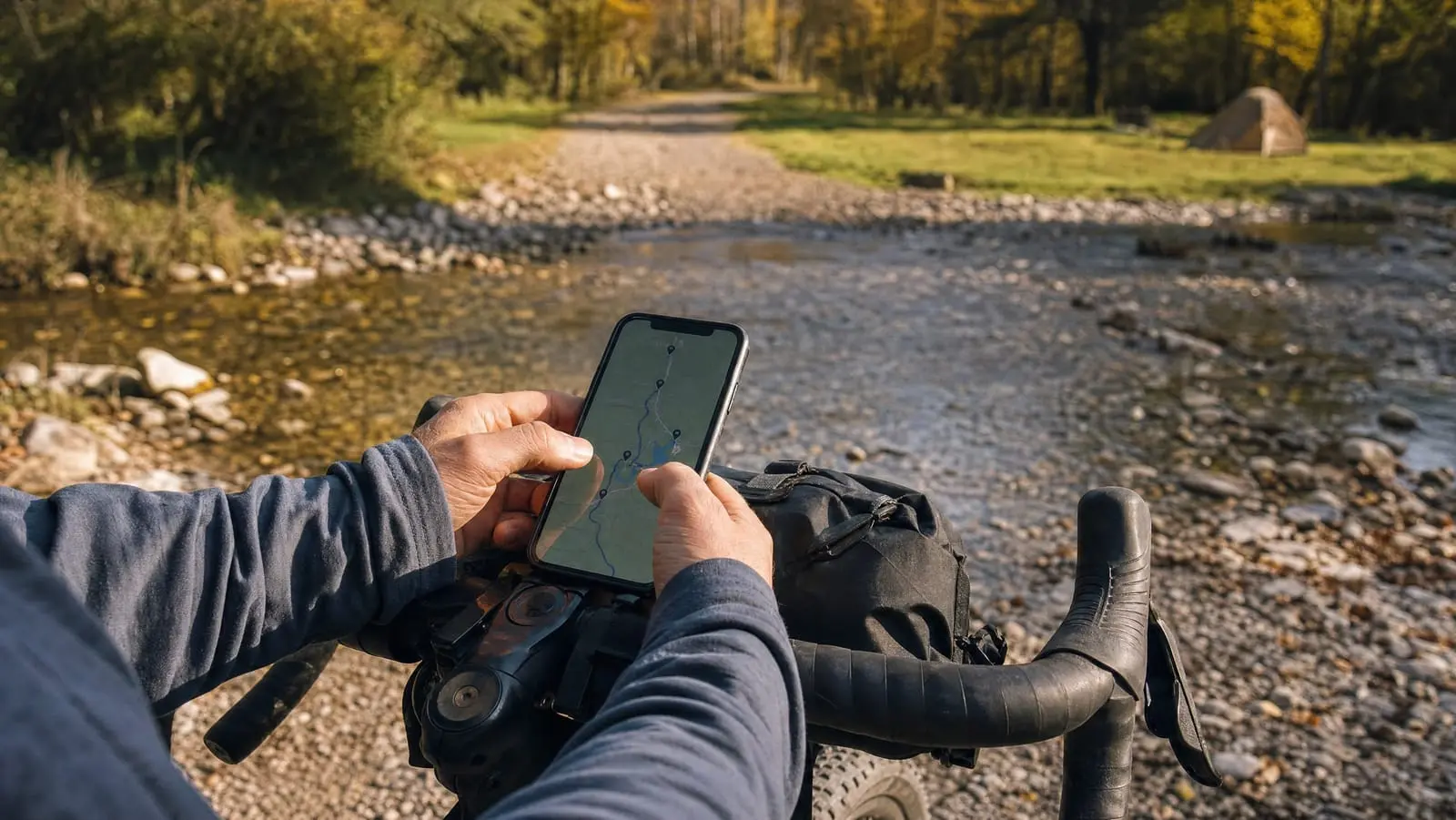
- GPS device operation
- Paper map reading
- Route-finding when lost
Camp skills:
- Tent setup in various conditions
- Bear/wildlife food storage
- Water treatment
- Leave No Trace principles
Finding Your Community
Women's bikepacking communities offer:
- Route recommendations
- Gear advice from those who've tested it
- Group rides with mentorship
- Solo travel confidence through shared experience
Resources:
- Adventure Cycling Association hosts women-focused events
- Facebook groups like "Women Bikepacking" and regional women's cycling groups
- Instagram communities around hashtags like #womenwhoride and #womensbikepacking
- Local bike shop women's rides and clinics
Group rides accelerate learning. Riding with experienced women provides mentorship and normalizes asking questions.
Physical Considerations
Strength Differences
Loaded bikes require strength for technical maneuvers. If lifting a 50-pound bike over obstacles feels difficult:
Strategies:
- Pack lighter (everyone benefits from this)
- Choose routes with fewer obstacles
- Practice lifting and maneuvering loaded bikes
- Build strength through training
Core strength matters more than arm strength for bike handling. Focus training on functional movements.
Fitness Building
Bikepacking fitness develops through bikepacking. But preparation helps:
Before your first trip:
- Ride your bike regularly at moderate intensity
- Include some climbing
- Try a loaded test ride
- Build base endurance before adding distance
See our Fitness Training Guide for detailed preparation strategies.
Gear Sizing and Availability
Finding Your Size
Smaller frames and components aren't always available. Some challenges:
- Small frame bags for smaller triangles
- Handlebar bags for narrower bars
- Shorts in smaller sizes
Solutions:
- Cottage industry makers often accommodate custom sizing
- Smaller bag configurations (half-frame + accessory bags)
- Measure carefully before buying
Budget Considerations
Women's-specific gear sometimes costs more or offers fewer options. Focus spending on:
- Saddle (comfort is non-negotiable)
- Chamois (hygiene and comfort)
- Base layers (proper fit prevents chafing)
See our Budget Bikepacking Setup for cost-effective approaches.
Planning Your First Trip
Route Selection
Consider these factors specifically:
- Restroom access (if relevant for your comfort level)
- Cell coverage (especially for solo trips)
- Town stops for resupply and reset
- Community camping vs. wild camping preference
Packing Specifics
In addition to standard packing lists, add:
- Menstrual products appropriate for trip length
- Extra underwear
- Hygiene wipes
- UTI prevention/treatment
- Any personal safety items you prefer
See our complete Bikepacking Packing List.
Partner Considerations
Riding with partners (of any gender) changes dynamics:
Pace differences: Discuss expectations before departing. Will you ride together or meet at defined points?
Workload sharing: Camp chores, navigation, and decision-making should be equitable.
Communication: Establish how you'll handle disagreements about route changes or pace.
FAQ
Is bikepacking safe for women?
Yes, with the same reasonable precautions anyone should take. Share itineraries, carry communication devices, trust your instincts. Most bikepacking experiences are overwhelmingly positive.
Should I start solo or with a group?
Either works. Groups provide safety and mentorship; solo builds self-reliance. Many women do their first trip with a partner or group, then transition to solo travel once confident.
Do I need women-specific everything?
No. You need gear that fits properly and works well. Sometimes that's women-specific; sometimes it isn't. Fit matters more than marketing.
How do I find women to ride with?
Online communities, local bike shops, Adventure Cycling events, and social media groups all connect women cyclists. Don't hesitate to reach out.
What if I'm slower than others?
Bikepacking isn't racing. Go your pace. The right riding partners match your pace or accommodate differences through planning.
Just Go
The barriers to women bikepacking are surmountable. Gear exists. Routes exist. Community exists. The practical considerations in this guide address real concerns without creating obstacles.
Your first trip will teach more than any guide. Start with an accessible route, pack reasonably, and discover what bikepacking offers.
For fundamentals, return to our Beginner's Guide. For trip planning, see Your First Trip Guide. For gear details, explore our Complete Gear Guide.
The trails don't care about your gender. They just wait to be explored.