Bikepacking Training: Build Endurance for Multi-Day Trips
20+ years testing gear in Colorado backcountry
Fitness for the Long Haul
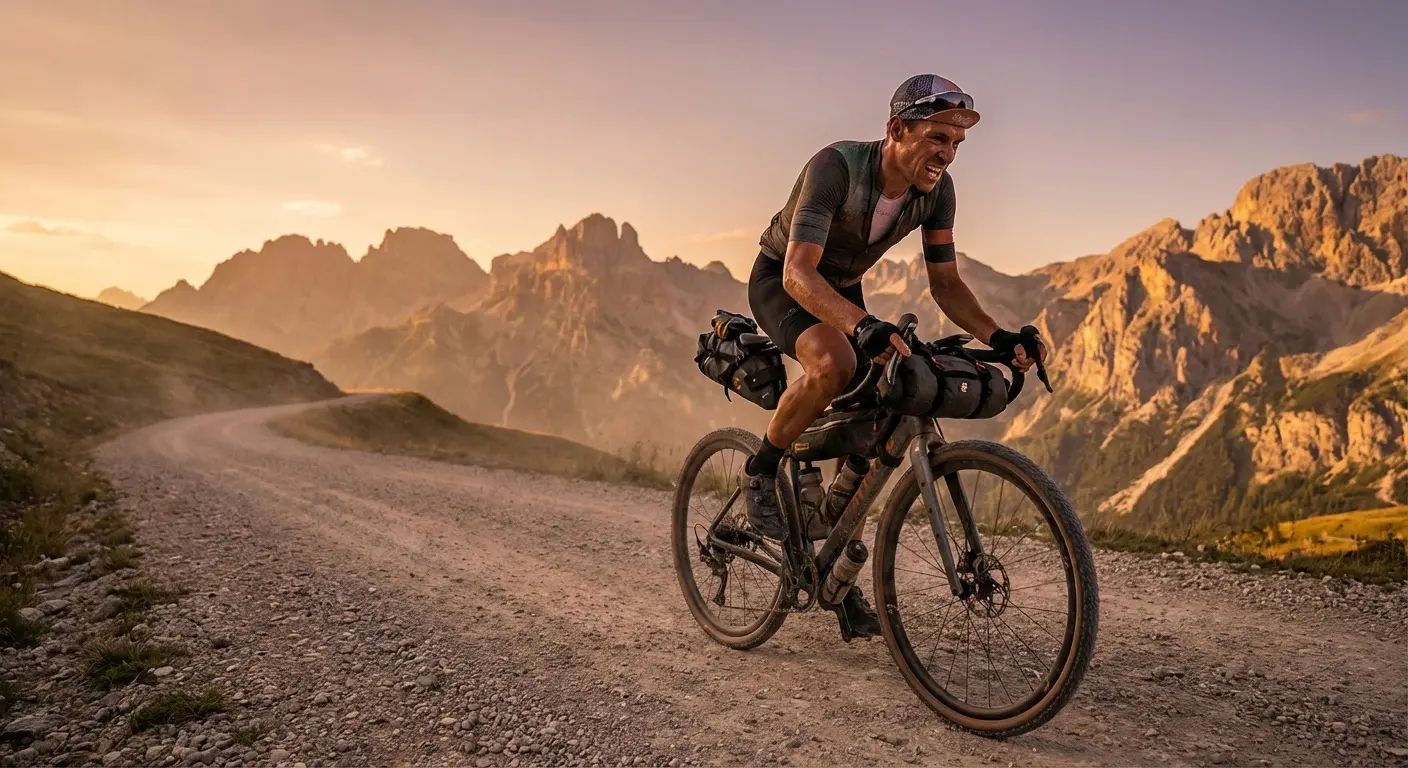
Bikepacking fitness isn't about being the fastest cyclist. It's about sustainable effort—riding day after day, recovering overnight, and doing it again. Your road cycling speed matters less than your ability to maintain moderate effort over extended periods.
Good news: you don't need to be exceptionally fit to start bikepacking. The activity builds its own fitness. But smart preparation makes early trips more enjoyable and reduces injury risk. As TrainerRoad's coaches explain, bikepacking demands a fundamentally different approach than typical cycling training—endurance over intensity.
This guide covers practical training for bikepacking, focusing on what actually matters for multi-day loaded riding.
For trip planning, see our First Trip Planning Guide and Beginners Guide.
What Bikepacking Demands
Endurance Over Speed
Bikepacking requires sustained moderate effort, not peak performance. You're not racing; you're traveling. The ability to ride 4-8 hours at conversational pace matters more than your FTP.
Key fitness components:
- Aerobic endurance (hours in the saddle)
- Muscular endurance (repeated climbing)
- Recovery capacity (doing it again tomorrow)
- Mental stamina (discomfort tolerance)
Different from Road Cycling
Bikepacking fitness differs from typical cycling training:
| Road Cycling | Bikepacking |
|---|---|
| High intensity intervals | Sustained moderate effort |
| Optimized power output | Efficiency with load |
| Single-day peak | Multi-day consistency |
| Light, fast bike | Heavy, loaded bike |
| Recovery days between | Consecutive riding days |
The Loaded Difference
Your bike weighs 15-30+ pounds more than normal. This changes everything:
- Climbing is dramatically harder
- Momentum matters more
- Technical handling changes
- Fatigue accumulates faster
Training unloaded doesn't fully prepare you for loaded riding.
Building Base Fitness
Time in Saddle
The most important factor. Hours of riding at moderate pace build the endurance foundation.
Minimum recommendation:
- 3-4 rides per week
- At least one long ride weekly (3+ hours)
- Consistent schedule (regularity beats intensity)
Building volume:
- Start where you are
- Increase weekly hours by 10% maximum
- Rest weeks every 3-4 weeks
Easy Pace Training
Counterintuitive but critical: most training should be easy.
Why easy works:
- Builds aerobic base without excessive fatigue
- Sustainable over weeks and months
- Teaches the pace you'll actually ride while bikepacking
- Reduces injury and burnout risk
How easy is easy?
- Can hold conversation
- Not breathing hard
- Feel like you could go for hours
- Heart rate Zone 2 if you track it
Long Rides
Weekly long ride is essential:
Starting point: Whatever your current longest regular ride is
Build to: 4-6+ hours before first major trip
Progression example:
- Week 1: 2 hours
- Week 2: 2.5 hours
- Week 3: 3 hours
- Week 4: 2 hours (recovery week)
- Week 5: 3.5 hours
- Continue pattern...
Loaded Riding Practice
Why It Matters
Riding loaded teaches skills that unloaded riding doesn't:
- Handling changes with weight
- Pacing for sustained effort
- Gear management while riding
- What fatigue actually feels like
Getting Started
First loaded ride:
- Add 10-15 lbs to your bike
- Ride familiar routes
- Notice handling differences
- Keep it short (1-2 hours)
Progressive loading:
- Gradually add weight over multiple rides
- Build to your expected trip weight
- Practice on varied terrain
What Your First Loaded Ride Will Feel Like
Expect a reality check. Riders consistently report these first-time experiences:
The first hill: "My legs felt fine, but I was crawling. What normally takes 3 minutes took 8." Standing becomes less effective—your body weight doesn't offset the gear weight like it does unloaded.
Handling changes: The bike feels "drunk" at slow speeds. Tight turns require more planning. You'll overcorrect at first.
Fatigue timeline: You'll feel fine for the first hour. By hour two, muscle groups you didn't know existed start complaining—especially your lower back and shoulders.
The good news: These sensations normalize quickly. Most riders feel comfortable by their third or fourth loaded ride.
What You'll Learn
Climbing: Much harder. Pace drops significantly. Sitting may be more efficient than standing. Proper bike fit becomes even more critical when loaded.
Descending: Brakes work harder. Speed builds quickly. Stopping distances increase.
Handling: Less nimble. Steering is heavier. Trail reactions are slower.
Pacing: Unsustainable pace becomes obvious faster.
Overnight Practice Trips
Before any major trip, do at least one overnight:
Purpose:
- Test complete system (gear, packing, routine)
- Practice camp setup after long ride
- Experience multi-day rhythm
- Identify problems with low stakes
Ideal practice trip:
- Close to home
- Bail-out options available
- Familiar general area
- Conditions similar to planned trip
Training for Climbing
Why Climbing Matters
Loaded climbing is bikepacking's defining physical challenge. Flat ground riding doesn't prepare you for sustained 6-8% grades with 25 lbs of gear.
Climbing Training
Find hills: Whatever's available. Even small hills repeated build climbing fitness.
Practice steady effort: Avoid going anaerobic early in climbs. Find sustainable pace.
Seated climbing: Often more efficient when loaded. Practice it even if you prefer standing.
Mental practice: Long climbs require mental endurance as much as physical. Practice accepting discomfort.
If You Live in Flat Terrain
Options:
- Bridges and overpasses
- Parking garage climbing
- Indoor trainer with resistance
- Any elevation change, repeated
- Loaded riding compensates somewhat
Off-Bike Training
The One-Hour Rule
Here's the efficiency secret from ultra-endurance coaches: as little as one hour per week of strength training dramatically impacts bikepacking ability. You don't need gym sessions lasting hours. One focused session of 45-60 minutes, or two 30-minute sessions, delivers most of the benefits.
Focus on general strength and conditioning rather than heavy lifting—you're building resilience, not power. As Adventure Cycling Association's training guide notes, strength work helps you pedal up steep hills, feel less sore after long rides, and avoid injury.
Cross-Training Benefits
Cycling alone doesn't prepare all the muscles bikepacking demands. Cross-training fills the gaps:
Long, slow activities (hiking, swimming): Build aerobic endurance without additional saddle stress. Great for recovery weeks.
High-intensity bursts (hill running, soccer, tennis): Develop power for climbs and anaerobic capacity for difficult sections.
Climbing, yoga, Pilates: Improve core strength, grip endurance, and flexibility—all critical for long days on rough terrain.
The key is variety. Anything that raises your heart rate helps, and activities that stress different muscle groups reduce overuse injury risk.
Core Strength
Essential for long days in the saddle and preventing lower back issues. A yoga mat and resistance bands are all you need for effective home workouts.
Key exercises:
- Plank variations (front, side)
- Dead bugs
- Bird dogs
- Bridges
Frequency: 2-3 times per week, 15-20 minutes
Lower Back Health
Bikepacking's extended riding position stresses lower backs.
Prevention:
- Core work (above)
- Hip flexor stretching
- Glute activation exercises
- Regular position changes while riding
Upper Body
Arms and shoulders fatigue on rough terrain and long descents.
Useful exercises:
- Push-ups
- Rows
- Shoulder stability work
Not required: Heavy weightlifting. This isn't about strength; it's about endurance.
Recovery
Recovery Is Training
Your body adapts during rest, not during riding. Skipping recovery undermines training.
Sleep: 7-9 hours consistently. More during heavy training periods.
Nutrition: Adequate protein and carbohydrates. Don't under-eat during training. See our Meal Planning Guide for fueling strategies. A foam roller helps work out tight muscles after training rides.
Easy days: Not every ride should be hard. Most should be easy.
Rest days: At least 1-2 per week, especially when building volume.
Warning Signs You Need More Recovery
Your body communicates—learn to listen:
- Persistent fatigue: Tired before rides even start
- Elevated resting heart rate: 5-10 bpm above normal baseline
- Mood changes: Unusual irritability or lack of motivation
- Lingering soreness: Muscles that don't recover between sessions
- Poor sleep: Despite being tired, sleep quality declines
- Getting sick frequently: Immune system struggles under training stress
If you notice these signs, add rest days. Training through overtraining makes everything worse.
During Multi-Day Trips
Recovery becomes more challenging when you're riding daily:
Sleep quality: Even with camping, prioritize sleep duration
Nutrition: Eat enough. Caloric deficit compounds over days.
Hydration: Stay ahead of thirst
Stretching: Brief stretching before bed helps
Pacing: Slower than you think sustainable
Mental Preparation
Type II Fun Tolerance
Bikepacking involves discomfort. Not constant suffering, but regular moments of challenge—headwinds, long climbs, fatigue, weather.
Building tolerance:
- Training through discomfort (not pain)
- Completing planned rides even when motivation drops
- Learning to find rhythm in difficulty
- Practicing self-talk strategies
Expectation Setting
Many new bikepackers expect constant scenic enjoyment. Reality includes:
- Boring sections
- Uncomfortable moments
- Things not going as planned
- Fatigue affecting experience
Accepting this in advance prevents disappointment.
Problem-Solving Mindset
Bikepacking presents constant small problems. Those who enjoy it learn to:
- View problems as puzzles, not failures
- Adjust plans flexibly
- Find satisfaction in improvisation
- Keep perspective on discomfort
Training Timelines
8-Week Training Plan
This structured plan progresses from baseline fitness to trip-ready over 8 weeks. Based on polarized training methodology—spending 80% of training at low intensity (Zone 2) and 20% at higher intensities.
| Week | Mon | Tue | Wed | Thu | Fri | Sat | Sun | Hours | Focus |
|---|---|---|---|---|---|---|---|---|---|
| 1 | Rest | 1hr Z2 | Core 30min | 1hr Z2 | Rest | 2hr Z2 | 1hr easy | 5.5 | Baseline |
| 2 | Rest | 1hr Z2 | Core + 45min Z2 | 1.5hr Z2 | Rest | 2.5hr Z2 | 1.5hr easy | 7.25 | Build volume |
| 3 | Rest | 1hr Z2 | Core + 1hr Z2 | 1.5hr hills | Rest | 3hr Z2 loaded | 1.5hr easy | 8 | Introduce load |
| 4 | Rest | 45min easy | Core 30min | 1hr easy | Rest | 2hr easy | Rest | 4.75 | Recovery |
| 5 | Rest | 1hr Z2 | Core + 1hr Z2 | 1.5hr hills | Rest | 3.5hr loaded | 2hr Z2 | 9 | Load adaptation |
| 6 | Rest | 1hr Z2 | Core + 1hr Z2 | 1.5hr hills | Rest | 4hr loaded | 3hr loaded | 10.5 | Back-to-back |
| 7 | Rest | 1hr Z2 | Core + 1hr Z2 | 1.5hr hills | Rest | 4.5hr loaded | 3hr loaded | 11 | Peak volume |
| 8 | Rest | 45min easy | Core 30min | 45min easy | Rest | 2hr easy | Rest | 4 | Taper |
Key:
- Z2: Zone 2—conversational pace, 60-70% max heart rate
- Loaded: Ride with bikepacking bags at expected trip weight
- Core: 30-45 min strength work (planks, bridges, bird dogs)
- Hills: Include climbing practice in route
Adapting the plan:
- Scale hours up/down 20-30% based on current fitness
- Limited time? Prioritize Saturday long ride and one weekday ride
- More experienced? Add intensity with threshold intervals on Thursday
12-Week Prep (Recommended)
For riders building from moderate fitness:
Weeks 1-4: Build weekly volume gradually, establish long ride habit Weeks 5-8: Add loaded riding, increase climbing, overnight practice Weeks 9-10: Peak training volume Weeks 11-12: Taper and rest
16+ Week Prep
For riders starting from low base fitness:
Weeks 1-8: Build aerobic base, consistent easy riding Weeks 9-12: Add duration and loaded riding Weeks 13-16: Specific preparation, overnight trips, taper
If You Have Less Time
Focus on:
- Long rides (even 1 per week helps)
- At least 2-3 loaded rides
- One overnight trip
- Adjusting trip expectations to fitness level
Common Training Mistakes
Training mistakes can derail your preparation. For a broader list of errors to avoid on and off the bike, see our guide on Common Bikepacking Mistakes.
Too Much Intensity
The mistake: Trying to get fast instead of building endurance.
Why it fails: Bikepacking requires hours at easy pace, not minutes at high intensity.
The fix: Keep most rides easy. Save hard efforts for occasional climbing practice.
Ignoring Loaded Riding
The mistake: All training on unloaded bike.
Why it fails: Loaded riding is substantially different. Skills and pacing don't transfer directly.
The fix: Include loaded rides weekly as trip approaches.
Overtraining Before Trip
The mistake: Massive training week right before departure.
Why it fails: You arrive fatigued instead of fresh.
The fix: Reduce volume 7-10 days before trip. Maintain some intensity.
Skipping Recovery
The mistake: Training hard every day.
Why it fails: Adaptation requires rest. Cumulative fatigue undermines progress.
The fix: Easy days, rest days, recovery weeks.
Adapting to Your Reality
Limited Time
Focus on:
- Quality over quantity
- Long ride on weekend, commute rides during week
- Make every ride somewhat loaded
- Accept that you'll build fitness on the trip too
Physical Limitations
Bikepacking accommodates many abilities:
- Adjust daily distances to your capacity
- E-bikes provide legitimate assistance
- Shorter trips still count
- Your body adapts to your training
Starting from Zero
If you're not currently cycling:
Week 1-4: Any cycling at all. 30-60 minutes, several times weekly.
Week 5-8: Build toward 1-2 hour rides.
Week 9-12: Add long rides and introduce loading.
Then: Continue building toward trip goals.
Starting fitness level doesn't determine bikepacking enjoyment—matching trip ambition to current fitness does. Once you've built your fitness base, plan your first adventure with our First Trip Planning Guide.
FAQ
How fit do I need to be to start bikepacking?
Fit enough to ride your planned daily distance comfortably. If you can ride 30 miles unloaded without difficulty, you can probably manage a 20-mile loaded bikepacking day. Adjust ambition to fitness.
Should I lose weight before bikepacking?
Focus on fitness, not weight loss. Training may result in weight loss, but performance comes from building capacity, not reducing load. Your body needs fuel for training.
Can I train on an indoor trainer?
Yes, but supplement with outdoor riding. Trainers build fitness but don't practice handling, terrain, or outdoor discomfort. Indoor training helps; it doesn't replace outdoor preparation.
How much difference does loaded riding make?
Significant. Expect 20-40% lower average speed when loaded, and much higher perceived effort on climbs. Practice loaded riding—the experience is essential.
What if I don't have time to train properly?
Adjust your trip. Shorter distances, more bailout options, lower difficulty terrain. Or accept that you'll be tired and uncomfortable but will improve during the trip itself.
Build the Engine
Bikepacking fitness isn't complicated: ride consistently, build duration gradually, practice loaded, include climbing, prioritize recovery. The training itself is enjoyable—long rides through beautiful terrain on your loaded bike.
Start where you are. Build consistently. Adjust trip ambition to match your preparation.
For trip planning, see our First Trip Planning Guide. For complete preparation, check our Beginners Guide.
For recovery strategies during multi-day trips, see our Recovery Strategies Guide. Need stretching routines? Check our Stretching and Mobility Guide.
Train for the journey. The adventure follows.