Building Saddle Time: Conditioning Your Body for Bikepacking
20+ years testing gear in Colorado backcountry
Your Body Needs Time to Adapt
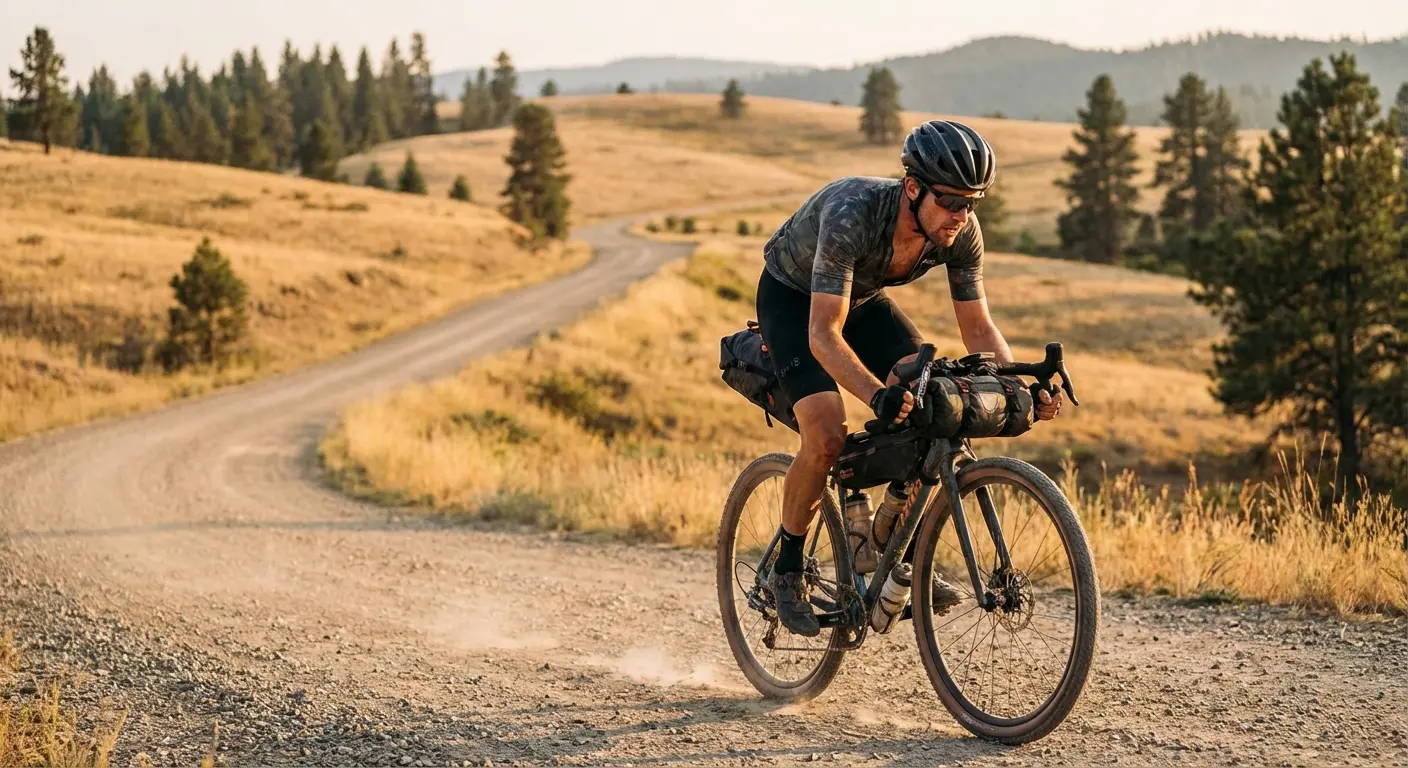
The fittest cyclists often suffer most on their first bikepacking trips. Fitness for speed doesn't equal conditioning for sustained comfort. Building saddle time is its own process—one that can't be rushed.
Bikepacking makes unique demands on your body. Hours of repetitive motion, sustained pressure on contact points, and multiple consecutive days of effort require adaptations that regular cycling doesn't fully develop. Riders who skip this conditioning phase pay with suffering.
The good news: your body adapts if you give it time. Sit bones toughen, hands develop tolerance, and connective tissues strengthen. This guide covers how to build that conditioning progressively, preparing your body for multi-day adventures without unnecessary suffering.
For complete comfort guidance, see our Complete Bikepacking Comfort Guide.
What Adaptation Actually Means
Contact Point Conditioning
Sit bones:
- Initial soreness is the adaptation signal
- Tissue compresses and firms over time
- Skin thickens slightly
- Blood supply adjusts
- Timeline: 2-4 weeks of consistent riding
Hands:
- Calluses develop at pressure points
- Grip strength improves
- Nerve tolerance increases (within limits)
- Timeline: 2-3 weeks
Feet:
- Adapt to pedaling pressure
- Shoe and cleat interface settles
- Timeline: 1-2 weeks usually
Muscular Endurance
Different from cardiovascular fitness:
- Muscles sustain repeated effort
- Local fatigue resistance builds
- Stabilizer muscles strengthen
- Connective tissue (tendons, ligaments) adapts slowly
Timeline:
- Noticeable improvement: 3-4 weeks
- Solid base: 8-12 weeks
- Continued improvement: months to years
Mental Adaptation
Learning to sustain:
- Tolerance for time in saddle
- Pacing awareness develops
- Discomfort management
- Attention span for long efforts
The Progressive Building Approach
Why Progressive Matters
Too fast risks:
- Saddle sores before adaptation
- Overuse injuries (tendinitis)
- Mental burnout
- Negative association with riding
Progressive allows:
- Tissue adaptation between sessions
- Learning what works for your body
- Building confidence
- Sustainable comfort development
The 10% Rule
Classic guideline:
- Increase weekly volume by no more than 10%
- Applies to time or distance
- Conservative but effective
- Allows connective tissue to keep up
Example progression:
- Week 1: 5 hours
- Week 2: 5.5 hours
- Week 3: 6 hours
- Week 4: 6.5 hours
- (Easier week periodically)
Starting Points by Experience
New to cycling:
- Start with 30-60 minute rides
- Build to 2 hours before adding distance
- Expect significant initial adaptation
- Timeline to multi-day readiness: 3-4 months
Regular cyclist, new to bikepacking:
- Already have base fitness
- Need contact point adaptation
- Add loaded riding progressively
- Timeline: 4-6 weeks
Experienced bikepacker returning:
- Fitness may remain
- Contact point adaptation diminishes with time off
- Build back faster but don't skip steps
- Timeline: 2-3 weeks
Building Saddle Time Specifically
Sit Bone Adaptation
The initial phase:
- First rides: soreness normal
- Soreness should peak, then diminish
- Riding through moderate soreness is okay
- Sharp pain or skin breakdown = back off
Consistency is key:
- Ride regularly (3-4 times per week minimum)
- Don't let too much time pass between rides
- Lost adaptation requires rebuilding
What helps:
- Quality saddle that fits your anatomy
- Chamois cream from the start
- Proper shorts
- Standing periodically during rides
Duration Building
Phase 1: Base rides (weeks 1-4)
- 1-2 hour rides
- Comfortable pace
- Focus on time, not distance
- 3-4 rides per week
Phase 2: Extended rides (weeks 5-8)
- Include one longer ride per week
- Build toward 3-4 hour efforts
- Maintain shorter rides between
- Note when discomfort starts
Phase 3: Long ride practice (weeks 9-12)
- 4-6 hour rides
- Simulate bikepacking conditions
- Practice nutrition and hydration
- Identify remaining comfort issues
Back-to-Back Days
Critical for bikepacking:
- Multi-day trips mean riding fatigued
- Must practice consecutive days
- Recovery between days matters
Building back-to-backs:
- Weekend pairs: ride Saturday and Sunday
- Start with moderate distance both days
- Gradually increase day-two distance
- Note how day two feels vs. day one
- Build to trip-realistic durations
Training with Load
Why Loaded Training Matters
Loaded riding differs:
- Bike handles differently
- More effort required
- Different muscles engaged
- Contact points loaded differently
Unloaded training limitation:
- Doesn't prepare for handling
- Fitness transfers imperfectly
- Comfort issues may not appear
Progressive Loading
Phase 1: Light load
- Add 5-10 pounds
- Get used to handling changes
- Note any fit adjustments needed
Phase 2: Moderate load
- Build to 15-20 pounds
- Practice loading and unloading
- Test comfort over longer rides
Phase 3: Full load
- Trip-realistic weight
- Multi-hour test rides
- Fine-tune everything
Fit Adjustments
Load affects fit. Adjust as you add weight:
- Saddle height may need tweaking
- Handlebar position often needs raising
- Test and adjust iteratively
See: Bike Fit for Loaded Bikepacking
Conditioning Other Systems
Hands
Building tolerance:
- Regular riding develops some tolerance
- Practice position variety
- Consciously relax grip
- Build grip strength off-bike
Warning signs:
- Numbness that persists after rides
- Weakness in fingers
- These indicate position problems, not conditioning needs
Neck and Back
Building endurance:
- Core strength crucial
- Flexibility maintenance
- Gradual increase in duration
Off-bike work:
- Planks and core exercises
- Stretching routine
- Upper back strengthening
See: Neck and Back Pain Solutions
Feet
Usually adapts quickly:
- Proper shoe fit matters more
- Cleat position if applicable
- Minimal specific conditioning needed
See: Foot Comfort Guide
Featured Products
Wahoo ELEMNT Bolt Cycling Computer
Tracking your rides helps ensure progressive building. The ELEMNT Bolt records duration, distance, and other metrics that show your building progress over weeks. The companion app provides training summaries and trends. Seeing your hours accumulate provides motivation. The navigation features also help for training rides in new areas. A quality computer that serves both training and trip riding.
- Tracks riding metrics
- Shows progress over time
- Navigation capable
- Long battery life
- Training and trip use
Chamois Butt'r Original
While building saddle time, chamois cream is essential—not optional. Your skin needs protection during the adaptation phase. Liberal application reduces friction while tissues toughen. The larger 8oz tube provides enough for weeks of training. Use it every ride, even short ones. The investment in cream is far less than the cost of saddle sores derailing your preparation.
- Essential during adaptation
- Generous application needed
- Proven formula
- Large size for training
- Prevents issues
Theraband Resistance Bands
Core strength supports comfortable riding position. Resistance bands enable the exercises that build cycling-specific core stability: pallof press, banded dead bugs, rows for upper back. The loop design works for many exercises. Different resistance levels allow progression. Use 3-4 times per week during your building phase. Stronger core means less strain on contact points.
- Core exercise tool
- Multiple resistance levels
- Versatile exercises
- Portable
- Builds riding stability
Training Log or App
Recording your training helps ensure progressive building. Note ride duration, distance, how you felt, and any discomfort. Patterns become visible over time. Many apps (Strava, TrainingPeaks, etc.) provide this automatically from your device. Paper logs work too. The record helps you avoid jumping too quickly and shows your progress.
- Track progress
- Identify patterns
- Plan building
- Motivation tool
- Reference for future
Sample Building Programs
8-Week Program for Regular Cyclists
For riders with cycling base, preparing for first multi-day trip.
| Week | Weekday Rides | Weekend Long | Total Hours |
|---|---|---|---|
| 1 | 2 x 1 hr | 2 hrs | 4 |
| 2 | 2 x 1 hr | 2.5 hrs | 4.5 |
| 3 | 2 x 1.25 hr | 3 hrs | 5.5 |
| 4 | 2 x 1 hr (easy) | 2 hrs | 4 |
| 5 | 2 x 1.5 hr | 3.5 hrs | 6.5 |
| 6 | 2 x 1.5 hr | 4 hrs | 7 |
| 7 | 2 x 1.5 hr + back-to-back | 3+2 hrs | 8 |
| 8 | Taper: 2 x 1 hr | 2 hrs | 4 |
Notes:
- Add light load starting Week 3
- Full load starting Week 5
- Week 4 is recovery week
- Back-to-back in Week 7 simulates trip
12-Week Program for New Cyclists
For riders new to cycling, building from basics.
| Weeks | Focus | Typical Rides |
|---|---|---|
| 1-3 | Base building | 30-45 min, 3x/week |
| 4-6 | Duration increase | 45-75 min, 3-4x/week |
| 7-9 | Longer efforts | Include 2 hr ride weekly |
| 10-12 | Trip simulation | Back-to-backs, loaded rides |
Common Mistakes
Rushing the Process
The temptation: "My trip is in 3 weeks, I'll just ride a lot."
The result:
- Saddle sores before trip
- Overuse injury
- Burned out mentally
- Trip becomes suffer-fest
Better approach:
- Plan preparation timeline realistically
- Postpone trip if necessary
- Undertrained is better than injured
Ignoring Pain Signals
Normal during building:
- Sit bone soreness (diminishing over time)
- General muscle fatigue
- Mild stiffness
Not normal:
- Sharp pain
- Skin breakdown
- Joint pain
- Numbness that persists
All-or-Nothing Training
The pattern:
- Epic weekend ride
- Nothing all week
- Another epic
- Wonder why adaptation isn't happening
Better approach:
- Consistent, moderate rides
- Building stimulus frequently
- Recovery between sessions
- Sustainable pattern
Neglecting Recovery
Training only works with recovery:
- Sleep enables adaptation
- Nutrition supports rebuilding
- Rest days are part of training
See: Recovery Strategies
When You're Ready
Signs of Adequate Preparation
Physical:
- Can ride target duration without significant discomfort
- Back-to-back days feel manageable
- Loaded handling feels normal
- No lingering soreness or injury
Mental:
- Looking forward to rides
- Confidence in ability
- Understanding of your body's needs
- Realistic expectations
Final Preparation
Last two weeks before trip:
- Reduce volume (taper)
- Maintain some intensity
- Final gear testing
- Rest more than you think necessary
Last few days:
- Very light or no riding
- Pack and prepare logistics
- Sleep well
- Arrive at start rested
FAQ
How do I know if soreness is normal adaptation or a problem?
Normal adaptation: soreness that diminishes during the ride, improves between rides, and decreases over days/weeks. Problem: soreness that increases during rides, worsens over time, involves sharp pain, or includes skin breakdown.
Can I build saddle time on an indoor trainer?
Partially. Trainers build cardiovascular fitness and some muscular endurance. But they don't replicate outdoor conditions—bike moves less, position is more fixed, mental adaptation to outdoor variety doesn't happen. Include outdoor riding if possible.
My first trip is soon and I haven't trained. What should I do?
Be honest about limitations. Plan for shorter days, more rest, and the possibility of discomfort. Use all the prevention tools (chamois cream, proper fit, etc.). Consider a shorter or less demanding trip. Going undertrained isn't ideal but it's manageable with adjusted expectations.
How much does fitness matter vs. conditioning?
Both matter, differently. Fitness determines how hard/fast you can go. Conditioning determines how long you can sustain without discomfort. You can be very fit but suffer from saddle sores. You can be less fit but comfortable. For enjoyable bikepacking, conditioning often matters more than raw fitness.
Should I train with the same gear I'll use on the trip?
Yes, as much as possible. Especially for saddle, shorts, and shoes—the contact point equipment. Training with your trip gear reveals problems before the trip. Use the final weeks of preparation for testing everything you'll rely on.
How quickly does conditioning fade if I stop riding?
Fitness fades gradually over weeks. Contact point conditioning can diminish faster—a few weeks of not riding and you'll notice some renewed soreness. Longer breaks require more rebuilding. Consistency maintains conditioning more easily than rebuilding it.
Related Guides
- Complete Bikepacking Comfort Guide - Full comfort overview
- Saddle Sores Prevention - Protecting while building
- Bike Fit for Loaded Bikepacking - Fit with gear
- Recovery Strategies - Recovery during building
- Your First Bikepacking Trip - Trip preparation
- Bikepacking Fitness Training - Fitness fundamentals
Building saddle time isn't glamorous, but it's the foundation of comfortable bikepacking. The riders who enjoy multi-day trips are the ones who showed up prepared—not necessarily the fittest, but the most conditioned.
Give your body time to adapt. Build progressively. Arrive at your adventure ready.
The miles will reward your patience.