Hand Numbness and Handlebar Comfort: Solutions for Bikepackers
20+ years testing gear in Colorado backcountry
When Your Hands Go Silent
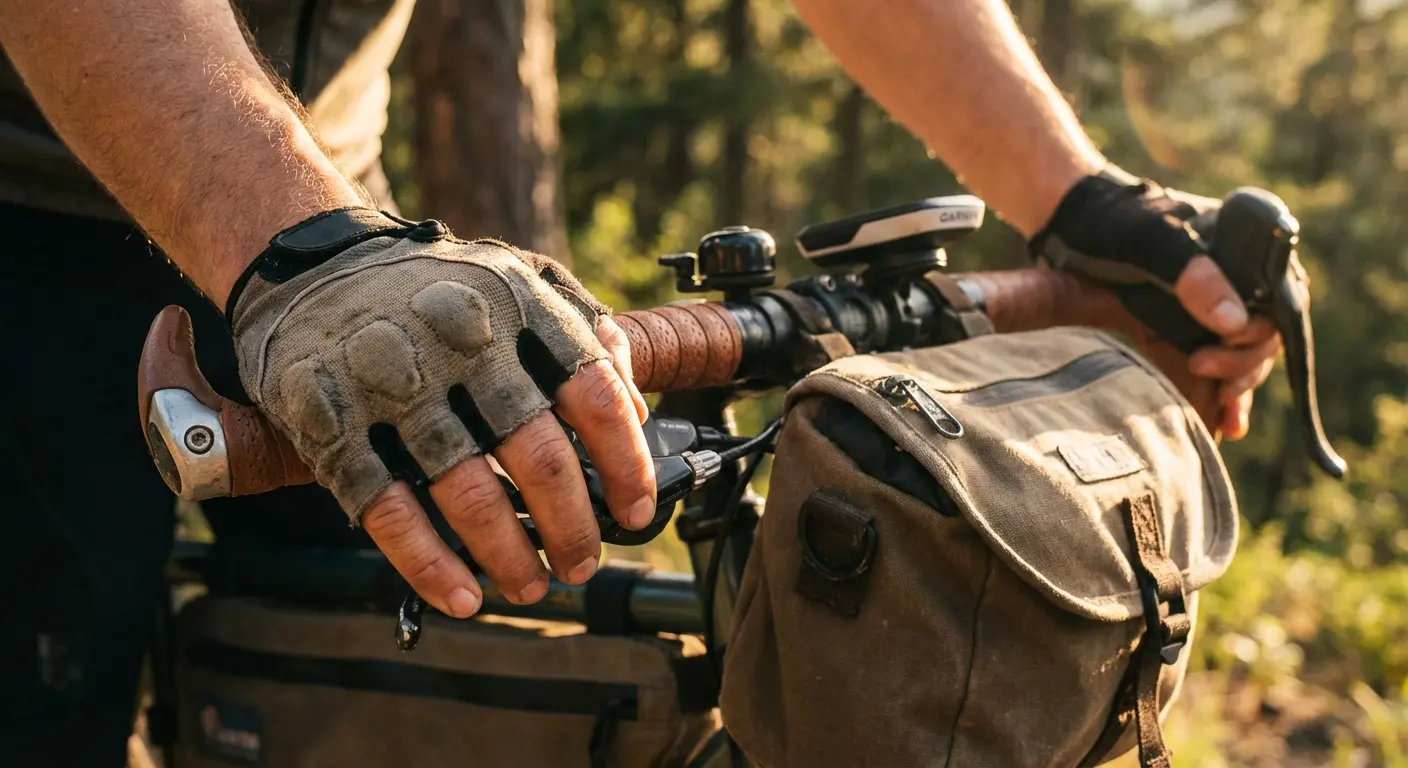
You're two hours into a ride when you realize you can barely feel your fingers. Shifting feels clumsy, braking uncertain. Hand numbness isn't just uncomfortable—it affects your control over the bike.
Numb, tingling, or painful hands affect most cyclists at some point. Unlike saddle discomfort that builds over days, hand problems can develop within hours and become debilitating quickly. The vibration, pressure, and fixed positions of cycling create a perfect storm for nerve compression.
The good news: hand numbness is one of the most solvable comfort problems. Equipment changes, position adjustments, and riding habits can eliminate or dramatically reduce symptoms. This guide covers the causes, solutions, and products that keep your hands comfortable mile after mile.
For complete comfort guidance, see our Complete Bikepacking Comfort Guide.
Understanding Hand Numbness
Two nerves run through your hands and are vulnerable to cycling pressure. Identifying which nerve is affected helps target the solution.
The Two Problem Nerves
Ulnar Nerve (Handlebar Palsy)
Location: Outside edge of palm Symptoms: Ring finger and pinky numbness, weakness in hand Cause: Pressure on outside of palm/handlebar Common position: Riding on drops, pressure on palm heel
Median Nerve (Carpal Tunnel)
Location: Center of wrist/palm Symptoms: Thumb, index, middle finger numbness Cause: Wrist hyperextension, pressure on central palm Common position: Flat bar grip, bent wrists
How Pressure Causes Numbness
The mechanism:
- Body weight transfers to handlebars
- Weight concentrates on small palm areas
- Soft tissue compresses nerves against bone
- Blood flow to nerves reduces
- Nerve signals diminish → numbness
Factors that increase pressure:
- Forward-leaning riding position
- Rough terrain and vibration
- Death-gripping the bars
- Locked elbows transmitting shock
- Extended time in one position
Is It Serious?
Usually temporary:
- Numbness resolving within minutes of releasing pressure
- Symptoms improving with position changes
- No lasting effects after ride
Cause for concern:
- Numbness persisting after ride ends
- Weakness in affected fingers
- Pain accompanying numbness
- Symptoms appearing without pressure
Position and Riding Habits
Before buying new equipment, address how you ride. Habits and position are often the primary cause of hand problems.
Weight Distribution
The core issue: too much weight on your hands.
Why it happens:
- Weak core muscles
- Aggressive (low) handlebar position
- Saddle tilted forward
- Improper reach to handlebars
Solutions:
- Engage core to support upper body
- Raise handlebars (less weight forward)
- Check saddle is level or slightly nose-down
- Reduce stem length if overreaching
The Death Grip
Many riders grip the bars far tighter than necessary, especially on rough terrain.
Problems from over-gripping:
- Constant pressure on nerves
- Arm tension transmits vibration
- Fatigue builds faster
- Reduced bike handling actually
Learning to relax:
- Consciously check grip tension every 15 minutes
- Practice loose grip on smooth roads
- Let bike move under you on rough sections
- Bend elbows to absorb shock (not arms)
Position Changes
Staying in one position guarantees pressure problems. Variety is essential.
For drop handlebars:
- Tops (upright position)
- Hoods (typical riding)
- Drops (descending/speed)
- Rotate every 10-15 minutes
For flat handlebars:
- Main grip position
- Bar ends (if installed)
- Inside of grips
- Add positions with bar accessories
Wrist Angle
Bent wrists compress the carpal tunnel, affecting the median nerve.
Ideal position:
- Wrists neutral (straight line from forearm to hand)
- Not hyperextended (hands higher than wrists)
- Not flexed (hands lower than wrists)
If wrists are bent:
- Rotate grip angle on flat bars
- Adjust hood position on drop bars
- Consider different bar shape
- Check overall bike fit
Handlebar and Grip Solutions
Equipment changes can significantly reduce hand pressure. Options depend on your bar type.
Flat Bar Options
Ergonomic grips:
- Wing or platform extension supports palm
- Spreads pressure over larger area
- Multiple hand positions possible
- Dramatic improvement for many riders
Grip diameter:
- Larger diameter reduces pressure per area
- Too large causes grip fatigue
- Many ergonomic grips offer larger platform
Bar ends:
- Add alternate hand positions
- Change wrist angle
- Useful for climbing (weight shift)
- Various angles available
Drop Bar Options
Bar tape thickness:
- Double-wrap for more padding
- Gel inserts under tape
- Thicker tape options available
- Focus on tops and drops where hands rest
Hood positioning:
- Angle affects wrist position
- Height relative to bar matters
- Some hoods offer more support than others
Bar shape:
- Flared drops widen hand positions
- Compact reach reduces stretch
- Ergonomic tops flat for palm support
Aero Bars and Extensions
Adding aero bars creates an entirely new position that removes weight from hands entirely.
Benefits:
- Arms rest on pads, not hands
- Forearms support weight
- Complete hand rest while riding
- Especially valuable for flat terrain
Considerations:
- Reduced control (no quick access to brakes)
- Not suitable for technical terrain
- Adds width to bike
- Best for touring/bikepacking conditions
Gloves and Padding
Gloves add a layer of protection between your hands and the bars.
Glove Features That Matter
Padding location:
- Palm heel pad protects ulnar nerve
- Central palm pad protects median nerve
- Padding should match where you apply pressure
Padding type:
- Gel absorbs vibration well
- Foam compresses more completely
- Combination often best
- Thickness varies—more isn't always better
Fit:
- Snug but not restrictive
- No bunching in palm
- Fingers appropriately sized
- Wrist closure secure
When Gloves Help vs. Don't Help
Gloves help:
- Vibration damping
- Surface friction protection
- Moderate pressure distribution
Gloves don't fix:
- Fundamental position problems
- Excessive weight on hands
- Incorrect wrist angle
- Bars that don't fit your hands
Think of gloves as supplemental protection, not a primary solution.
Featured Products
Ergon GP1 Grips
The industry standard ergonomic grip that's solved hand numbness for countless cyclists. The wing platform supports the palm heel where the ulnar nerve is most vulnerable. Multiple sizes (small, large) accommodate different hand widths. Installation requires grip glue or hairspray but these aren't going anywhere once mounted. We've put these on every flat-bar bike we've owned and always notice the difference. Paired with bar ends, they provide three distinct hand positions.
- Wing platform reduces nerve pressure
- Multiple hand positions
- Two sizes for fit
- Proven design
- Lock-on security
Ergon GP3 Grips with Bar Ends
Everything the GP1 offers plus integrated bar ends for additional hand positions. The bar ends angle adjusts during installation, allowing customization for your preferred climbing and cruising positions. For bikepackers on flat bars who want maximum hand position variety without separate bar end installation. The integrated design is cleaner and more secure than bolt-on bar ends. Worth the premium over GP1 if you know you want bar ends.
- Integrated bar ends
- Adjustable bar end angle
- All GP1 benefits
- Multiple sizes
- Clean integrated design
Giro Bravo Gel Gloves
Excellent palm padding where it matters combined with breathable mesh on top. The gel padding specifically targets the ulnar nerve zone at the palm heel. Short finger design keeps hands cool while protecting pressure points. The fit is true to size with good finger articulation for shifting and braking. Triple Velcro closure stays secure. A solid all-around glove that works for everything from training rides to multi-day tours. Available in multiple colors.
- Gel padding at pressure points
- Breathable mesh back
- True-to-size fit
- Secure closure
- Multiple color options
Pearl Izumi Elite Gel Gloves
Pearl Izumi's Elite line provides serious padding in a more refined package. The gel inserts are strategically placed based on hand mapping studies. The Direct-Vent mesh keeps hands cool, and the synthetic leather palm provides durability without breaking in. A touchscreen-compatible thumb and finger let you use your phone without removing gloves. More expensive than basic gloves, but the fit and construction justify the price for serious riders.
- Strategic gel placement
- Direct-Vent cooling
- Touchscreen compatible
- Durable synthetic palm
- Premium fit
Fizik Vento Microtex Tacky Bar Tape
For drop bar riders, quality bar tape adds cushioning and reduces vibration. Fizik's Microtex provides excellent grip when wet or dry while the 2.7mm thickness adds noticeable padding over bare bars. The tacky surface keeps hands planted without requiring a death grip. Easier to wrap than many tapes and stays in place well. The classic choice for riders who want reliable performance. Double-wrap critical areas for extra cushion.
- 2.7mm thickness
- Tacky grip surface
- Easy to wrap
- Durable construction
- Many color options
Redshift Cruise Control Grips
An entirely different approach: these add-on grips attach above your main grips to create a secondary hand position. When you need a break from normal grip positions, the Cruise Control puts your hands in a different orientation. Particularly useful for long flat sections where you want to stretch. Not a replacement for proper ergonomic grips, but a useful addition for maximum position variety. Installation is straightforward with the included hardware.
- Creates new hand position
- Quick position changes
- Easy installation
- Works with most bars
- Good for flat terrain
Bike Fit Factors
Sometimes hand numbness traces back to overall bike fit rather than handlebar setup specifically.
Reach and Stack
Too much reach:
- Stretching forward loads hands more
- Arms lock straight, transmitting shock
- More body weight transferred forward
Fix:
- Shorter stem
- Handlebars with less reach
- Saddle moved forward (affects other fit)
Too little stack (bars too low):
- Forward rotation of body
- More weight on hands
- Wrist angle often worse
Fix:
- Add headset spacers
- Flip stem upward
- Higher-rise bars
Saddle Position Effects
Your saddle position affects how much weight reaches your hands.
Saddle tilted down:
- Body slides forward
- More weight on hands
- Common cause of hand problems
Saddle too far forward:
- Less weight on saddle
- More weight on handlebars
- Reach feels shorter but hand load increases
Check saddle position before assuming the problem is in your bars. A level saddle in the correct fore-aft position may solve hand issues without any handlebar changes.
For complete fit guidance: Bike Fit for Loaded Bikepacking
On-Trail Management
When numbness develops during a ride, take action immediately rather than hoping it improves.
Immediate Response
- Change position - Move hands to different spot immediately
- Shake out - While coasting, shake hands below bar level
- Relax grip - Consciously loosen hold on bars
- Sit up - More upright position reduces hand load
- Stop if needed - Get off bike and let hands recover
Rest Stop Protocol
At longer stops:
- Remove gloves and let hands air
- Stretch fingers wide, make fists repeatedly
- Rotate wrists through full range
- Massage palms, especially pressure points
- Check grip position when remounting
Adjustments on Trail
If numbness persists despite position changes:
- Raise handlebars if possible (flip stem, add spacers)
- Move saddle backward slightly (reduces forward weight)
- Double-check glove fit (bunched padding makes things worse)
- Consider different hand position accessories
Vibration and Road Feel
Vibration contributes significantly to hand fatigue and numbness, especially on rough roads.
Sources of Vibration
- Road surface (gravel, rough pavement)
- Tire pressure (too high transmits more vibration)
- Wheel/tire combination
- Frame material (aluminum harsh, steel/carbon smoother)
Reducing Vibration
Tire pressure:
- Lower pressure absorbs more vibration
- Tubeless allows lower pressure safely
- Find minimum safe pressure for your weight/terrain
Bar tape/grips:
- Thicker absorbs more
- Gel inserts help significantly
- Double-wrapping works
Suspension:
- Suspension fork reduces hand vibration dramatically
- Suspension stems exist for rigid bikes
- Trade-off is weight and complexity
Rough Terrain Technique
When you can't avoid rough surfaces:
- Loosen grip—let bars move in hands slightly
- Bend elbows—arms absorb shock
- Float weight—lift slightly off saddle
- Choose the smoothest line
Long-Term Prevention
For chronic hand issues, systematic prevention works better than reactive treatment.
Core Strength
A strong core supports your body without loading your hands.
Key exercises:
- Planks (front, side)
- Dead bugs
- Bird dogs
- Hollow holds
Cycling-specific:
- Practice riding with one hand (forces core engagement)
- Ride rollers (requires balance, core activation)
- Consciously engage core on normal rides
Flexibility
Tight shoulders and neck shift more weight to hands.
Key stretches:
- Doorway chest stretch
- Neck rotations
- Wrist circles and extensions
- Shoulder rolls
See our Stretching and Mobility Routine for complete guidance.
Gradual Adaptation
Hands need time to adapt to cycling demands:
- Build riding time progressively
- Don't jump from short to long rides
- Consistent riding is better than sporadic
- Allow recovery between demanding rides
FAQ
Why does hand numbness happen so quickly?
Hand nerves are close to the surface and vulnerable to pressure. Unlike sit bones that bear weight naturally, hands aren't designed for sustained weight bearing. Small amounts of pressure quickly affect nerve function.
Will bigger grips help?
Larger diameter grips spread pressure over more area, which often helps. Ergonomic grips with palm support provide even more relief. However, grips too large can cause grip fatigue. Finding the right size for your hands matters.
Is hand numbness different on drop bars vs flat bars?
The affected nerves are the same, but pressure patterns differ. Drop bars offer more positions but often load the palm heel (ulnar nerve). Flat bars can cause more wrist hyperextension (median nerve). Solutions are similar: varied positions, proper padding, correct fit.
Should I ride through hand numbness?
Mild, transient numbness that resolves with position changes is common. Persistent numbness that doesn't resolve, or numbness that worsens despite intervention, needs rest and assessment. Continuing to ride through significant numbness risks lasting nerve damage.
How do I know if ergonomic grips will work for me?
If your current flat-bar grips are round and your hand numbness is at the outer palm (ring finger, pinky), ergonomic grips almost certainly help. The palm platform specifically addresses this common pattern. Even riders without current problems often find them more comfortable.
Can handlebar height really make that much difference?
Yes. Raising handlebars even 20-30mm can significantly reduce hand pressure by shifting weight back toward the saddle. It's often the single most effective change for hand comfort. The aerodynamic penalty is minimal and irrelevant for bikepacking speeds.
Related Guides
- Complete Bikepacking Comfort Guide - Full comfort overview
- Preventing and Treating Saddle Sores - Another key contact point
- Neck and Back Pain Solutions - Connected upper body issues
- Bike Fit for Loaded Bikepacking - Fit affects hand pressure
- Stretching and Mobility Routine - Flexibility helps hands
- Best Cycling Computers - Mounting affects bar grip space
Hand numbness is solvable. The combination of proper bike fit, ergonomic equipment, good habits, and position variety keeps most riders comfortable indefinitely. Don't accept numbness as inevitable—it's a problem with solutions.
Keep your grip light, change positions often, and invest in equipment that supports your hands properly.
Feel the trail, not the numbness.