Budget Bikepacking Food: How to Eat Well for Less
20+ years testing gear in Colorado backcountry
Great Food Doesn't Require a Big Budget
Specialty freeze-dried meals cost $10-15 each. Energy bars run $2-4 per serving. A week of "bikepacking food" from outdoor retailers can easily exceed $200. But here's the truth: the most experienced bikepackers often spend far less, eating better food that's simpler to prepare.
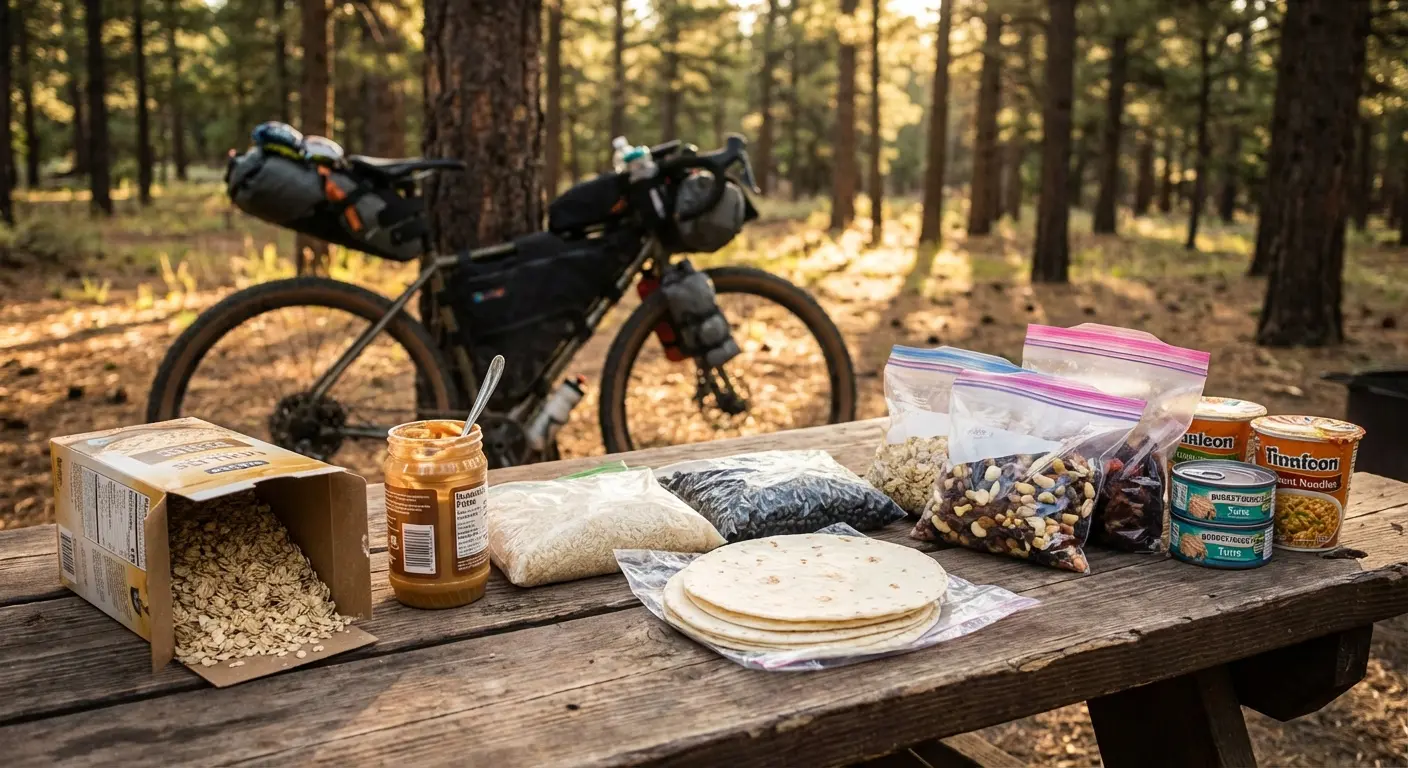
The secret isn't deprivation—it's understanding that the best bikepacking foods are often the cheapest. Oats, peanut butter, rice, beans, and tortillas have fueled long-distance riders for decades. These staples cost a fraction of specialty products while delivering superior nutrition and satisfaction.
This guide shows you how to plan delicious, nutritious bikepacking meals on any budget—from weekend trips to month-long expeditions.
For complete nutrition strategy, see our Complete Bikepacking Food Guide. For calorie optimization, check Calorie-Dense Foods for Bikepacking.
The Budget Mindset Shift
Specialty Products vs. Grocery Staples
Compare these common choices:
| Food | Specialty Price | Grocery Alternative | Savings |
|---|---|---|---|
| Freeze-dried dinner | $12 | Rice + beans + spices | $10+ |
| Energy bar | $3 | Homemade no-bake bars | $1.50 |
| Instant oatmeal packets | $0.75 each | Bulk oats + additions | $0.30 |
| Trail mix (packaged) | $8/lb | DIY from bulk bins | $4/lb |
| Electrolyte drink | $2/serving | Salt + sugar + flavor | $0.10 |
The pattern: Convenience packaging drives costs up. Basic ingredients deliver the same nutrition for less.
When Specialty Foods Make Sense
Budget doesn't mean avoiding all specialty products. Sometimes they're worth it:
- Critical resupply gaps: A $12 freeze-dried meal beats running out of food
- Special dietary needs: Vegan or GF options may require specialty products
- Weight-critical situations: When ounces matter more than dollars
- Morale moments: One nice meal on a long trip can be worth the splurge
The goal is intentional spending—not reflexive buying from the outdoor aisle.
Budget Food Categories
Tier 1: Bulk Bin Champions (Best Value)
These deliver maximum calories and nutrition per dollar:
| Food | Cost/lb | Calories/lb | Notes |
|---|---|---|---|
| White rice | $1-2 | 1,650 | Requires cooking |
| Rolled oats | $2-3 | 1,700 | Hot or cold prep |
| Dried beans | $2-3 | 1,500 | Long cook time |
| Peanuts | $3-4 | 2,600 | Ready to eat |
| Raisins | $4-5 | 1,400 | No prep needed |
| Brown sugar | $2-3 | 1,700 | Flavor booster |
| Vegetable oil | $3-4 | 4,000 | Calorie bomb |
Strategy: Build your food bag foundation from these. Add convenience items strategically.
Tier 2: Grocery Store Gold
Regular grocery stores offer excellent bikepacking foods:
Breakfast:
- Instant oatmeal (bulk, not packets): $3-4/lb
- Instant grits: $2-3/lb
- Pancake mix (add water only): $2-3/lb
Lunch/Snacks:
- Peanut butter: $3-4/lb
- Tortillas: $2-3 for 10
- Crackers: $3-4/lb
- Cheese (hard, aged): $5-8/lb
- Summer sausage: $6-8/lb
Dinner:
- Instant rice: $2-3/lb
- Ramen noodles: $0.25-0.50/pack
- Instant mashed potatoes: $3-4/lb
- Couscous: $3-4/lb
Snacks:
- Pretzels: $3-4/lb
- Animal crackers: $3-4/lb
- Fig bars: $4-5/lb
- Dried fruit: $5-8/lb
Tier 3: Strategic Splurges
Worth the extra cost for specific benefits:
- Nut butter packets: $1-2 each, but perfect portion control
- Tuna/chicken pouches: $2-3 each, protein without cans
- Instant coffee packets: $0.50-1 each, morning ritual
- Chocolate: $0.50-1/serving, morale essential
Budget Meal Templates
Breakfast (~$1.50-2.00)
Power Oatmeal:
- 1/2 cup oats ($0.15)
- 2 tbsp peanut butter ($0.30)
- 2 tbsp raisins ($0.20)
- 1 tbsp brown sugar ($0.05)
- Pinch of salt
Total: ~$0.70, 550 calories
Pancake Stack:
- 1/2 cup pancake mix ($0.20)
- 1 tbsp oil ($0.10)
- 2 tbsp maple syrup ($0.30)
Total: ~$0.60, 450 calories
Lunch (~$2.00-3.00)
PB&J Tortilla:
- 2 tortillas ($0.40)
- 3 tbsp peanut butter ($0.45)
- 2 tbsp jam ($0.20)
Total: ~$1.05, 650 calories
Cheese & Crackers Plus:
- 2 oz hard cheese ($0.75)
- Sleeve of crackers ($0.50)
- 1 oz summer sausage ($0.50)
Total: ~$1.75, 550 calories
Dinner (~$2.00-4.00)
Ramen Upgrade:
- 2 ramen packets ($0.50)
- 2 tbsp peanut butter ($0.30)
- 1 tbsp oil ($0.10)
- Dried vegetables ($0.25)
Total: ~$1.15, 750 calories
Rice & Beans:
- 1 cup instant rice ($0.30)
- 1/2 cup instant refried beans ($0.40)
- Hot sauce packets (free)
- 1 tbsp oil ($0.10)
Total: ~$0.80, 650 calories
Couscous Mediterranean:
- 1 cup couscous ($0.40)
- 2 tbsp olive oil ($0.30)
- Sun-dried tomatoes ($0.50)
- Italian seasoning ($0.05)
Total: ~$1.25, 600 calories
Daily Food Budget
| Budget Level | Daily Cost | Strategy |
|---|---|---|
| Ultra-budget | $8-12 | All DIY, bulk staples |
| Moderate | $12-18 | Mix of DIY and convenience |
| Comfortable | $18-25 | Some specialty items |
For a 7-day trip:
- Ultra-budget: $56-84 total
- Moderate: $84-126 total
- Comfortable: $126-175 total
DIY Recipes for Big Savings
Homemade Trail Mix (~$5/lb vs. $10/lb packaged)
Recipe (makes ~2 lbs):
- 1 lb peanuts ($3)
- 8 oz raisins ($1.50)
- 4 oz M&Ms or chocolate chips ($1.50)
- 4 oz pretzels ($0.50)
Total: ~$6.50 for 2 lbs = $3.25/lb
No-Bake Energy Bars (~$1/bar vs. $3/bar)
Recipe (makes 12 bars):
- 2 cups oats ($0.50)
- 1 cup peanut butter ($1.50)
- 1/2 cup honey ($1.50)
- 1/2 cup chocolate chips ($1.00)
- 1/4 cup dried cranberries ($0.75)
Method:
- Mix oats, peanut butter, and honey
- Fold in chocolate and cranberries
- Press into 8x8 pan
- Refrigerate until firm
- Cut into bars, wrap individually
Total: ~$5.25 for 12 bars = $0.44/bar
DIY Electrolyte Mix (~$0.10/serving vs. $1-2)
Recipe (makes 10 servings):
- 1/4 cup sugar ($0.10)
- 1/4 tsp salt ($0.01)
- 1/4 tsp lite salt (potassium) ($0.05)
- Flavor: Kool-Aid packet or citrus powder ($0.25)
Mix dry ingredients in small container. Add 1.5 tbsp to 16 oz water.
Total: ~$0.04/serving
For more on electrolyte strategy, see Electrolytes and Sports Nutrition for Bikepacking.
Shopping Strategies
Grocery Store Approach
Best sections:
- Bulk bins: Oats, rice, nuts, dried fruit
- Baking aisle: Sugar, oil, flour, chocolate chips
- International aisle: Cheap instant noodles, spices, coconut milk powder
- Canned goods: Tuna pouches, chicken pouches
- Snack aisle: Pretzels, crackers, cookies
Avoid:
- "Health food" section (markup for packaging)
- Single-serve anything (convenience premium)
- Pre-made trail mix (assemble yourself)
Discount Stores
Aldi, Lidl, Grocery Outlet, and dollar stores often have:
- Nuts at 30-50% less than regular grocery
- Peanut butter at significant discount
- Crackers and snacks at bulk prices
- Chocolate at fraction of convenience store cost
Warehouse Clubs (Costco, Sam's)
Worth it for:
- Nuts in bulk
- Peanut butter (giant jars)
- Dried fruit
- Granola bars (bulk packs)
- Cheese wheels
Portion into smaller containers for trips.
When to Buy Specialty
Sometimes outdoor stores make sense:
- Freeze-dried meals on sale (stock up at 20-30% off)
- Clearance items with good dates
- Specialized dietary options unavailable elsewhere
- Ultralight options when weight trumps cost
Resupply on a Budget
Small-town resupply often means limited options at higher prices. Strategies:
Before the Trip
- Identify cheapest resupply options along route
- Mail yourself bulk staples to remote post offices
- Note which towns have discount stores vs. tourist markup
In Small Towns
Best bets:
- Grocery store generics vs. name brands
- Bakery day-old bread
- Deli items by weight (avoid pre-packaged)
- Local produce stands
Avoid:
- Gas station everything (2-3x markup)
- Tourist-oriented "general stores"
- Hotel gift shops
For complete resupply strategy, see How to Resupply on Long Bikepacking Routes.
Restaurant Strategy
Restaurant meals seem expensive but can be economical:
- Breakfast buffets: Load up for full-day fuel
- All-you-can-eat: Actually possible to eat your money's worth after 50+ miles
- Dinner specials: Many small-town diners offer affordable portions
Budget $10-15 for a restaurant meal that replaces two packaged meals ($6-8 worth) plus provides morale, AC, and outlets.
Meal Planning by Trip Length
Weekend Trip (2-3 Days)
Easiest to budget—bring everything from home:
Sample budget breakdown:
- 6 breakfasts: $6
- 6 lunches: $9
- 6 dinners: $12
- Snacks: $10
- Total: ~$37 for 3 days = $12/day
Week-Long Trip (5-7 Days)
Mix of packed food and one resupply:
Sample breakdown:
- Days 1-3 food from home: $36
- Day 4 resupply (grocery): $25
- Days 5-7 food: $36
- 1-2 restaurant meals: $25
- Total: ~$122 for 7 days = $17/day
Extended Trip (2+ Weeks)
Resupply becomes critical—costs vary more:
Strategies:
- Mail drops with bulk-purchased food
- Cook real meals where facilities exist (hostels, campgrounds)
- Strategic restaurant meals in expensive areas
- Flexible menu based on what's affordable locally
For meal planning by trip length, see Bikepacking Meal Planning.
Common Budget Mistakes
Mistake 1: Buying "Bikepacking Food"
That $8 energy bar at REI costs $2 at Costco.
Fix: Shop grocery stores first. Outdoor stores last.
Mistake 2: Over-Packing Food
Carrying 10 days of food for a 5-day trip wastes money and energy hauling extra weight.
Fix: Calculate needs precisely. You can always buy more.
Mistake 3: Ignoring Free Calories
Many riders skip free condiment packets, restaurant bread baskets, and complimentary breakfast items.
Fix: Take advantage of what's freely offered. Salt, sugar, and ketchup packets add flavor and calories at no cost.
Mistake 4: Avoiding All Convenience
Making everything from scratch burns time and energy better spent riding.
Fix: Balance DIY savings with strategic convenience purchases.
Mistake 5: Not Tracking Actual Costs
Vague budgeting leads to overspending.
Fix: Track what you actually spend per day. Adjust future trips accordingly.
Budget Gear That Saves Food Money
Some gear investments reduce ongoing food costs:
Stove system: $30-50 upfront saves $5-10 per day vs. no-cook only Insulated mug: $15 keeps coffee hot, reduces need for café stops Spice kit: $10 makes cheap food taste better Good water filtration: $30 eliminates buying bottled water
For no-cook options when you want to skip the stove investment, see No-Cook Bikepacking Food Ideas.
FAQ
How much should I budget per day for bikepacking food?
Budget-conscious riders can eat well for $10-15/day with planning. Moderate spending runs $15-20/day. Comfortable eating with some convenience items is $20-30/day.
Are freeze-dried meals ever worth it?
Yes—for weight-critical situations, special dietary needs, or when convenience outweighs cost. They're not necessary for good nutrition, but they have their place.
What's the single best budget food for bikepacking?
Peanut butter. At ~2,600 calories per dollar spent, high protein, no prep needed, and available everywhere—it's unbeatable value.
How do I eat well on a very tight budget?
Build meals around oats, rice, peanut butter, and tortillas. Make your own trail mix and energy bars. Cook dinners instead of buying freeze-dried. Avoid convenience stores.
Should I skip meals to save money?
Never. Under-eating destroys performance and enjoyment. Budget by choosing cheaper options, not by eating less.
Quick Reference: Budget Food Costs
| Food | Calories | Cost | Cal/Dollar |
|---|---|---|---|
| Vegetable oil | 4,000/lb | $3/lb | 1,333 |
| Peanut butter | 2,600/lb | $4/lb | 650 |
| White rice | 1,650/lb | $1.50/lb | 1,100 |
| Rolled oats | 1,700/lb | $2.50/lb | 680 |
| Ramen noodles | 380/pack | $0.30/pack | 1,267 |
| Tortillas | 150 each | $0.25 each | 600 |
| Peanuts | 2,600/lb | $4/lb | 650 |
| Raisins | 1,400/lb | $5/lb | 280 |
Best calorie value: Vegetable oil, ramen, rice Best balanced nutrition: Peanut butter, oats, peanuts
For complete food strategy, see our Complete Bikepacking Food Guide. For high-calorie options, check Calorie-Dense Foods for Bikepacking.
Eat well. Spend smart. Ride farther.