No-Cook Bikepacking Food: Complete Guide to Stoveless Riding
20+ years testing gear in Colorado backcountry
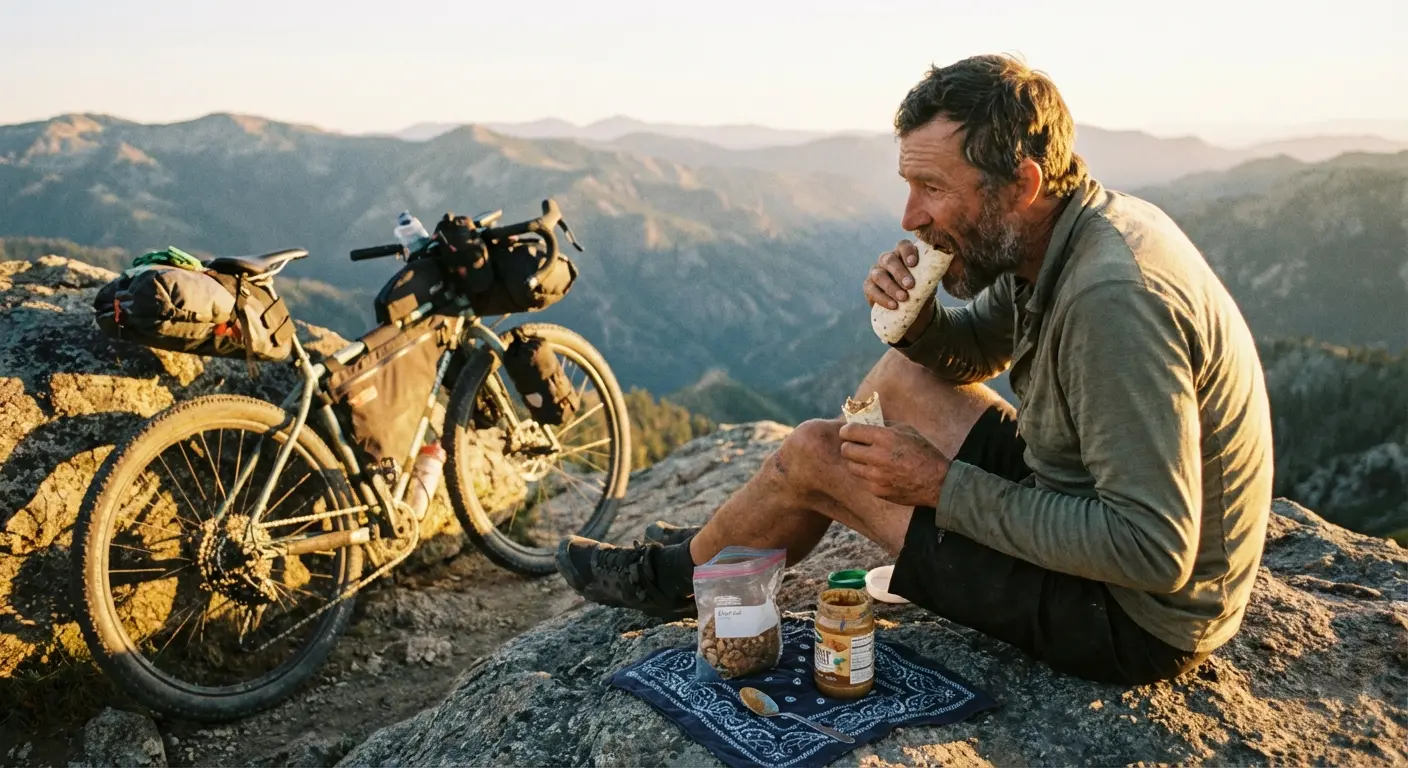
Skip the Stove, Keep the Fuel
Every ounce matters in bikepacking. A stove, fuel canister, pot, and lighter add 12-16 ounces to your kit—weight that could be a lighter sleeping bag, extra water capacity, or simply less strain on climbs. For some riders, ditching the cook system entirely makes sense.
No-cook bikepacking isn't deprivation. It's a deliberate strategy that trades hot meals for simplicity, speed, and weight savings. Done right, you eat well, pack light, and spend less time at camp fussing with gear.
This guide covers everything you need to thrive without a stove: the best no-cook foods, cold-soaking techniques, meal planning strategies, and honest assessment of when going stoveless makes sense—and when it doesn't.
For complete nutrition strategy, see our Complete Bikepacking Food Guide. If you decide you want hot meals after all, check our Bikepacking Stoves Guide.
Why Go No-Cook?
The Weight Savings
A typical cook kit weighs 12-16 ounces:
- Stove: 2-3 oz
- Fuel canister (100g): 7 oz
- Pot with lid: 4-6 oz
- Lighter/ignition: 0.5 oz
That's nearly a pound you're hauling up every climb. For ultralight-focused riders, this weight savings is significant.
The Simplicity Factor
No cook system means:
- No fuel logistics (finding canisters, carrying empties)
- No waiting for water to boil
- No cleaning pots
- No fire restrictions to worry about
- Faster camp setup and breakdown
You arrive at camp, eat, sleep, and ride. No fuss.
The Speed Advantage
For bikepackers racing or covering big miles, cooking time adds up. Boiling water, preparing meals, and cleaning takes 20-30 minutes per meal. No-cook riders can eat in 5-10 minutes and get back to riding or sleeping.
When No-Cook Works Best
- Warm weather trips: Cold food is more appealing when you're not freezing
- Routes with frequent towns: Restaurant meals replace camp cooking
- Short trips (2-4 days): Variety isn't as critical
- Ultralight goals: Every gram matters
- Riders who don't care much about food: Fuel is fuel
The Cold-Soak Method
Cold-soaking uses time instead of heat to rehydrate dried foods. It's the no-cook rider's secret weapon for variety beyond bars and wraps.
How Cold-Soaking Works
- Add cold water to dried food in a container
- Wait 30 minutes to several hours (depending on food)
- Eat at room temperature
The texture differs from hot-prepared food, but many items cold-soak surprisingly well.
Best Cold-Soak Container
The standard choice: a Talenti gelato jar or similar wide-mouth plastic container. Features that matter:
- Wide mouth for easy eating
- Leak-proof lid
- Clear sides to see contents
- Lightweight plastic
- 16-24 oz capacity
Some riders use zip-lock bags, but rigid containers are easier to eat from and less prone to leaks.
Foods That Cold-Soak Well
| Food | Soak Time | Notes |
|---|---|---|
| Instant oatmeal | 30-60 min | Classic overnight oats |
| Couscous | 30-45 min | Works great, add olive oil |
| Ramen noodles | 60-90 min | Softer texture than hot |
| Instant rice | 60-90 min | Minute rice varieties |
| Dehydrated beans | 2-4 hours | Start early in the day |
| Instant mashed potatoes | 15-30 min | Very quick |
| Chia seeds | 15-30 min | Expand significantly |
Foods That Don't Cold-Soak Well
- Pasta (stays too chewy)
- Most freeze-dried meals (designed for hot water)
- Dried meat (stays tough)
- Rice that isn't instant (takes forever)
Cold-Soak Recipes
Overnight Oats (Breakfast)
- 1/2 cup instant oats
- 1 tbsp chia seeds
- 2 tbsp dried fruit
- 1 tbsp nut butter
- Water to cover
Prep night before, eat in morning. Add honey packet for sweetness.
Trail Couscous (Dinner)
- 1/2 cup couscous
- 1 tbsp olive oil
- Seasoning packet (Italian, taco, etc.)
- Optional: dried vegetables, cheese
Add water at lunch stop, ready by dinner.
Ramen Remix
- 1 pack ramen (discard or save flavor packet)
- 2 tbsp peanut butter
- Sriracha packet
- Crushed peanuts
Cold soak noodles 90 minutes, drain excess water, mix in peanut butter and sriracha.
Ready-to-Eat No-Cook Foods
Beyond cold-soaking, these foods require zero preparation.
Tortillas: The No-Cook Foundation
Flour tortillas are the ultimate bikepacking food:
- Calorie-dense (~150 cal each)
- Crush-resistant (mostly)
- Versatile wrapper for everything
- Last 5-7 days unrefrigerated
Tortilla filling ideas:
- Peanut butter + honey + banana chips
- Cheese + salami + mustard
- Tuna packet + mayo packet
- Hummus + dried vegetables
- Nutella + dried coconut
Nut Butters: Calorie King
At 170-190 calories per ounce, nut butters deliver maximum energy for minimum weight.
Best formats for bikepacking:
- Individual squeeze packets (cleanest, most expensive)
- Small plastic jar (bulk efficiency)
- Squeeze tube (refillable, moderate mess)
Peanut, almond, and sunflower seed butters all work. Choose based on preference and allergies.
Tuna and Salmon Packets
Protein that travels well without refrigeration:
- 70-90 calories per ounce
- 15-20g protein per packet
- Pre-flavored options (lemon pepper, buffalo, etc.)
- Eat straight from packet or add to wraps
Cheese Selection
Hard and semi-hard cheeses last days without refrigeration:
| Cheese | Shelf Life (unrefrigerated) | Notes |
|---|---|---|
| Parmesan | 1-2 weeks | Nearly indestructible |
| Aged cheddar | 5-7 days | Wrap in paper |
| Gouda | 5-7 days | Wax coating helps |
| Babybel | 1 week+ | Individual wax coating |
| String cheese | 3-5 days | Individual packaging |
Soft cheeses (brie, fresh mozzarella) don't travel well—eat first day only.
Cured Meats
Dry-cured meats last without refrigeration:
- Salami and pepperoni
- Summer sausage
- Prosciutto
- Beef sticks and jerky
Once cut, wrap tightly and consume within 2-3 days.
Trail Mix and Nuts
The classic trail food for good reason:
- 160-180 calories per ounce
- Protein, fat, and carbs combined
- Needs no preparation
- Customizable to preferences
High-calorie trail mix formula:
- Nuts (almonds, cashews, peanuts)
- Seeds (sunflower, pumpkin)
- Chocolate chips or M&Ms
- Dried coconut
- Dried fruit (minimal—lower calorie density)
Energy Bars
The backbone of no-cook fueling. See our Best Energy Bars for Bikepacking for detailed recommendations.
Quick picks for no-cook riders:
- Clif Bars: Balanced macros, many flavors
- Larabars: Simple ingredients, soft texture
- RX Bars: High protein, minimal ingredients
- Bobo's: Highest calorie density
Sample No-Cook Meal Plans
Weekend Trip (2 Days)
Day 1:
- Breakfast: Granola + dried milk + dried fruit
- Trail snacks: 4 bars, trail mix, dried fruit
- Lunch: Tortilla with peanut butter and honey
- Dinner: Crackers + tuna packet + cheese, chocolate
Day 2:
- Breakfast: Overnight oats (cold-soaked)
- Trail snacks: 4 bars, nuts, fig bars
- Lunch: Tortilla with salami and cheese
- Dinner: Town meal (earned it!)
Daily calories: ~2,800 Total food weight: ~3 lbs
Week-Long Trip (With Resupply)
Days 1-3 (from start):
- Breakfasts: Alternate overnight oats and granola
- Dinners: Cold-soak couscous, tortilla meals, crackers + tuna
- Snacks: Mix of bars, nuts, dried fruit
- Resupply Day 3
Days 4-5:
- Fresh town supplies
- More perishables (bread, fresh fruit, deli items)
Days 5-7:
- Back to shelf-stable items
- Town meal finale
Nutrition Considerations
Meeting Calorie Needs
No-cook foods tend toward calorie-dense options—actually an advantage for bikepacking. Focus on:
- Nut butters (170-190 cal/oz)
- Nuts and seeds (160-180 cal/oz)
- Chocolate (150-160 cal/oz)
- Cheese (110-120 cal/oz)
- Olive oil packets (250 cal/oz)
Protein Without Cooking
Getting adequate protein requires intentionality:
- Tuna/salmon packets: 15-20g per packet
- Jerky: 10-15g per ounce
- Nuts: 5-7g per ounce
- Cheese: 7g per ounce
- Protein bars: 10-20g per bar
Target: 80-120g protein daily for recovery.
Fiber and Variety
No-cook diets can lack fiber and produce:
- Dried fruit adds fiber
- Whole grain crackers help
- Town stops for fresh vegetables
- Fiber bars if needed
Sodium Awareness
Many no-cook foods are high sodium (jerky, cheese, crackers). This actually helps during heavy sweating but monitor if you have health concerns.
Practical Tips
Tip 1: Town Meals Are Your Friend
The best no-cook strategy includes restaurant meals. A town breakfast or dinner provides:
- Hot food variety
- Fresh vegetables
- Morale boost
- Reduced food carry
Plan routes with town meal opportunities.
Tip 2: Prep Cold-Soak Early
Start cold-soaking during riding, not after arriving at camp. Add water at lunch; dinner is ready when you stop.
Tip 3: Variety Prevents Fatigue
Eating the same tortilla wrap for seven dinners gets old fast. Build variety:
- Different nut butters (peanut, almond, sunflower)
- Multiple bar flavors
- Various tortilla fillings
- Mix of sweet and savory
Tip 4: Embrace the Simplicity
No-cook camping is faster. Use that time for:
- Earlier sleep
- More miles
- Enjoying the view without cooking chores
Tip 5: Know Your Limits
Some trips demand hot food:
- Cold weather (hot calories matter for warmth)
- Very long expeditions (menu fatigue is real)
- Personal preference (some people need hot meals for morale)
There's no shame in carrying a stove. Choose what works for your trip.
The Hybrid Approach
Many bikepackers take a middle path: minimal cooking capability for flexibility.
Ultra-Minimal Cook Kit
- Alcohol stove (1 oz)
- Small pot (3-4 oz)
- Lighter (0.5 oz)
- Small fuel bottle (2-3 oz with fuel)
Total: 6-8 oz—half the weight of full canister systems.
This allows occasional hot coffee or ramen on cold mornings while mostly eating no-cook.
When to Use Hybrid
- Hot drink in morning
- Emergency hot meal option
- Cold weather backup
- Ramen upgrades
Common Mistakes
Mistake 1: Not Bringing Enough Food
No-cook foods are calorie-dense, but you still need to eat enough. Don't underestimate portions because foods are small.
Mistake 2: All Bars, All the Time
Energy bar fatigue is real. Include variety: wraps, cold-soak meals, real food from towns.
Mistake 3: Forgetting Utensils
You still need a spoon for cold-soaked meals. Don't forget it thinking "no cook = no utensils."
Mistake 4: Not Testing First
Try your no-cook meals at home. Some people hate cold-soaked oatmeal; better to discover that before day one.
Mistake 5: Ignoring Weather
No-cook is ideal for warm weather. In cold conditions, hot food provides warmth and morale that cold food can't match.
FAQ
Is no-cook bikepacking healthy?
Yes, if you plan properly. Focus on whole foods (nuts, dried fruit, whole grain tortillas) rather than just processed bars. Include protein sources and variety.
How much weight do I actually save?
Typically 12-16 oz compared to a full canister stove setup. With an ultralight alcohol stove, savings are smaller (4-8 oz).
Can I cold-soak freeze-dried meals?
Most don't work well—they're designed for boiling water. Stick to foods meant for cold-soaking.
What about coffee?
No-cook options exist: cold brew packets, instant coffee mixed with cold water (acquired taste), or simply skip it. Many no-cook riders hit town cafes for coffee.
Won't I miss hot food?
Probably, at least sometimes. Most no-cook riders include occasional town meals for hot food variety. Pure no-cook for extended trips requires strong commitment.
What's the best no-cook breakfast?
Overnight oats (cold-soaked oatmeal) or granola with powdered milk. Both provide sustained energy without cooking.
Quick Reference: No-Cook Food List
Ready to Eat:
- Tortillas
- Nut butter packets
- Tuna/salmon packets
- Hard cheese
- Salami/pepperoni
- Trail mix
- Energy bars
- Crackers
- Dried fruit
- Chocolate
Cold-Soak Options:
- Instant oatmeal
- Couscous
- Ramen noodles
- Instant mashed potatoes
- Chia seeds
- Instant rice
Town Resupply Additions:
- Fresh bread
- Fresh fruit
- Deli items
- Restaurant meals
For complete nutrition guidance, see our Complete Bikepacking Food Guide. If you want the best of both worlds, our Bikepacking Stoves Guide covers ultralight cooking options.
Travel light. Eat well. Ride far.