Best Sleeping Pads for Bikepacking: Comfort vs Weight Comparison
20+ years testing gear in Colorado backcountry
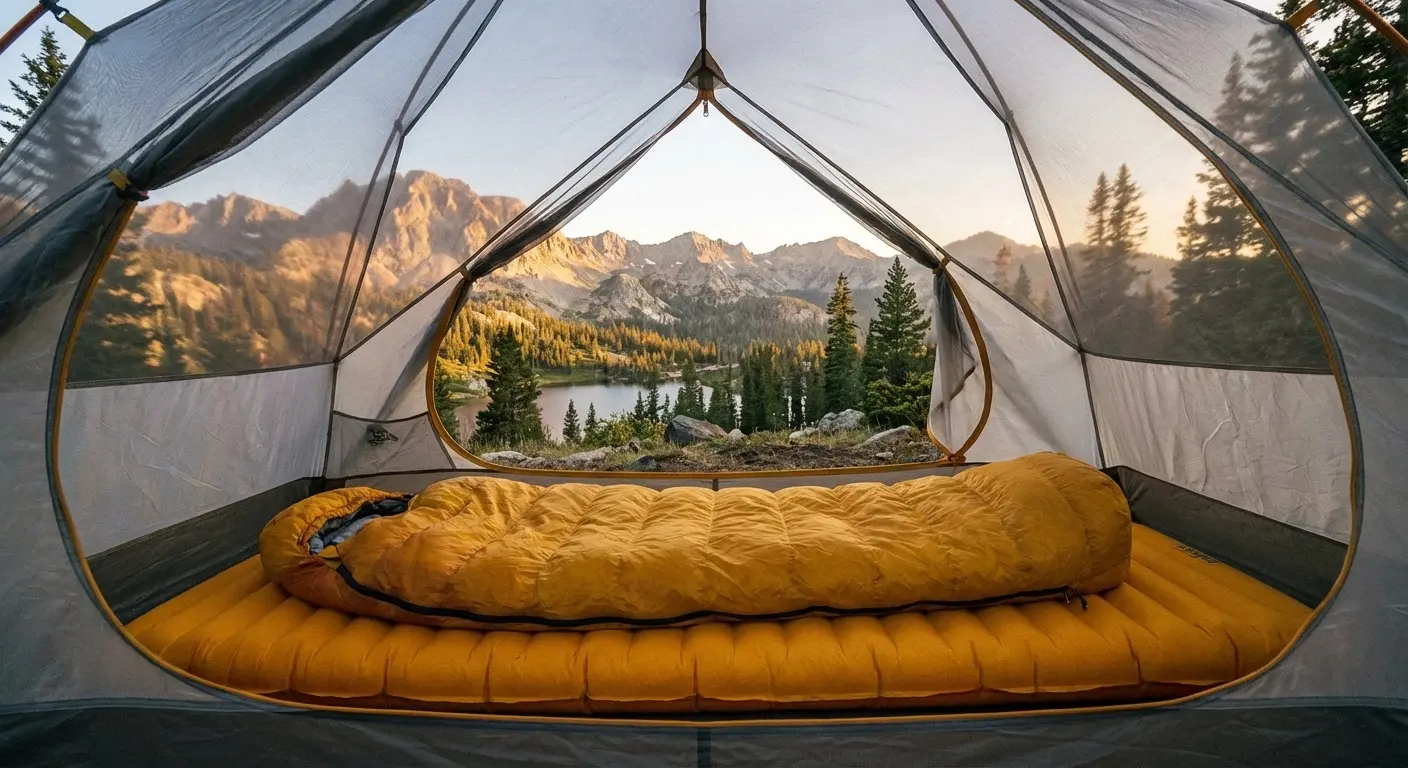
The Difference Between Sleeping and Tossing
As REI's sleep system guide explains, understanding R-value and pad construction helps you make smart insulation choices.
Beyond warmth, your pad determines whether you actually sleep or just lie there counting hours until dawn. Hip points digging into hard ground, cold spots where insulation compresses, air leaks that leave you on the dirt—these failures compound through the night.
Bikepacking adds constraints that eliminate many excellent backpacking pads. Weight matters, obviously. But packed size matters even more—your pad competes for space in an already-stuffed saddle bag. The best bikepacking pads balance comfort, warmth, durability, and packability without unacceptable compromise in any category.
This guide covers pad types, explains R-value ratings, and recommends the best sleeping pads across every budget for bikepacking adventures.
For complete camp gear guidance, see our Bikepacking Camp Gear Guide.
Understanding R-Value: The Number That Actually Matters
R-value measures thermal resistance—how well your pad insulates you from ground cold. Higher numbers mean more warmth. The standardized ASTM testing ensures you can compare R-values across brands.
R-Value Guidelines
| R-Value | Best For | Temperature Range |
|---|---|---|
| 1.0-2.0 | Summer only | 50°F+ (10°C+) |
| 2.0-3.5 | Three-season mild | 35-50°F (2-10°C) |
| 3.5-5.0 | Three-season cold | 20-35°F (-7 to 2°C) |
| 5.0+ | Winter / cold sleepers | Below 20°F (-7°C) |
Critical point: R-values are additive. A foam pad (R-2) under an inflatable (R-3.5) gives you R-5.5 total. Some cold-weather bikepackers stack pads for this reason. For more on combining sleep gear effectively, see our complete camp gear and sleep systems guide.
Matching Pad to Bag
Your sleeping bag's temperature rating assumes adequate pad insulation. A 20°F sleeping bag needs at least R-3 beneath it to perform as rated. Colder conditions demand higher R-values—or stacked pads.
If you sleep cold (many people do), buy more R-value than charts suggest. The penalty is slightly more weight and cost. The benefit is actual sleep.
The Backyard Cold Test
Setup:
- Choose a night with temperatures similar to your planned trip
- Set up your complete sleep system in your backyard or a cold room
- Sleep on it for a full night—no cheating with house blankets
What to Monitor:
- Hours 0-2: Initial comfort level. Do you feel cold spots immediately?
- Hours 2-4: Temperature regulation as night cools. Are you waking up?
- Hours 4-6: The critical period when ground cold is worst. This is when inadequate insulation reveals itself.
What You'll Learn:
- Whether your R-value is actually sufficient for you
- Cold spots in your pad (usually at hips and shoulders)
- How your pad and bag work together (or don't)
- Whether you're a "cold sleeper" who needs higher R-value than average
The Most Common Discovery: Most people underestimate their insulation needs. The backyard test almost always reveals that you need either:
- Higher R-value than you thought
- A bag rated 10 degrees warmer than expected temps
- Both
One uncomfortable night at home beats a miserable night 40 miles from anywhere.
Pad Types for Bikepacking
Inflatable Pads
Air-filled pads offer the best comfort-to-weight ratio. Premium options like the Therm-a-Rest NeoAir XLite NXT deliver R-4.5 insulation at just 13 ounces—impossible with any other construction.
Advantages:
- Lightest weight for any given warmth
- Most compact packed size
- Best comfort (3-4" thick cushioning)
- Excellent warmth-to-weight ratio
Disadvantages:
- Puncture vulnerability
- Require inflation (time and effort)
- Higher cost than foam
- Can leak at seams over time
Best for: Most bikepackers prioritizing weight and comfort.
Closed-Cell Foam Pads
Foam pads like the Therm-a-Rest Z Lite Sol are indestructible. No punctures, no leaks, no inflation—just unroll and sleep.
Advantages:
- Indestructible (no punctures possible)
- No inflation required
- Affordable pricing
- Double as sit pads during breaks
- Last forever with proper care
Disadvantages:
- Bulky packed size
- Less comfort than inflatables
- Lower warmth per ounce
- Can't adjust firmness
Best for: Bikepackers in thorny terrain, those who prioritize reliability over comfort, budget-conscious riders.
Hybrid Pads
Some pads combine foam bases with inflatable tops, offering puncture resistance with better comfort. These split the difference on weight and packed size.
Best for: Riders wanting inflatable comfort with foam reliability.
Featured Products
Therm-a-Rest NeoAir XLite NXT
The NeoAir XLite NXT represents the pinnacle of ultralight sleeping pad design. At just 13 ounces with an R-value of 4.5, it delivers genuine four-season capability in a package that disappears into your saddle bag. The updated NXT construction eliminates the crinkling noise that plagued earlier versions—you'll actually sleep without waking yourself. Triangular baffles trap warmth efficiently while the 3-inch thickness provides comfort even for side sleepers. The WingLock valve speeds inflation and ensures no accidental deflation. Yes, it costs more than budget options—significantly more. For bikepackers who refuse to compromise on weight or warmth, nothing else compares.
- R-4.5 genuine four-season warmth
- 13 oz ultralight weight
- Silent construction (no crinkling)
- 3 inches thick
- WingLock valve for fast inflation
NEMO Tensor All-Season Ultralight Insulated
The Tensor All-Season balances warmth, comfort, and weight better than any other pad on the market. With an R-value of 5.4 at under a pound, it handles genuinely cold conditions while remaining bikepacking-reasonable. The 3.5-inch thickness provides exceptional comfort—particularly for side sleepers who need cushioning at hip and shoulder points. NEMO's spaceframe baffles eliminate that wobbly, unstable feeling some inflatable pads create. The integrated pump sack speeds inflation without lightheadedness. For three-season bikepackers who sleep cold or want extra warmth margin, this pad earns its premium price.
- R-5.4 exceptional insulation
- Under 1 lb weight
- 3.5 inches thick
- Spaceframe baffles for stability
- Pump sack included
Sea to Summit Ether Light XT Insulated
When comfort is paramount, the Ether Light XT delivers. At 4 inches thick with a dense grid of air cells, it provides the most mattress-like sleep experience of any ultralight pad. The Air Sprung Cells move independently, dispersing weight evenly without creating pressure points—heaven for side sleepers. The R-3.2 insulation handles three-season conditions, though cold sleepers may want the warmer XT Extreme version. The multi-function valve allows both inflation and fine-tuning adjustments. At 16.5 ounces, it's not the lightest, but for bikepackers who prioritize rest quality over grams saved, this pad transforms camping sleep.
- 4 inches thick cushioning
- Air Sprung Cells reduce pressure points
- Best comfort for side sleepers
- Multi-function valve
- Rectangular shape for more room
Therm-a-Rest Z Lite Sol
Sometimes the simplest solution is the best. The Z Lite Sol has been the go-to foam pad for decades—indestructible, affordable, and utterly reliable. The egg-crate surface traps warm air while the aluminized coating reflects body heat. At 14 ounces for the regular size, it's not significantly heavier than premium inflatables—and it will never, ever puncture. The accordion fold packs onto the outside of a saddle bag or can be cut shorter for weight savings. R-2 limits it to warmer conditions alone, but stacked under an inflatable it adds both insulation and puncture protection. For reliability-focused bikepackers or those on tight budgets, the Z Lite remains unbeatable.
- Indestructible foam construction
- Zero puncture risk
- Doubles as seat pad
- Reflective coating adds warmth
- Affordable price point
Klymit Static V
Klymit proves budget doesn't mean bad. The Static V's V-shaped chambers cradle your body, preventing that roll-off-the-pad feeling that plagues cheap inflatables. At 2.5 inches thick, it provides genuine comfort—not just survival-level padding. The 75D polyester fabric handles reasonable abuse, and the simple valve inflates in 10-15 breaths. Yes, it weighs more than premium options (18.6 oz) and packs larger. Yes, the R-1.3 limits it to warm conditions. But for summer bikepacking on a budget, or for testing whether you even like bikepacking before investing heavily, the Static V works remarkably well.
- V-chamber body-mapping design
- 2.5 inches of cushioning
- 10-15 breaths to inflate
- Durable 75D polyester
- Excellent value pricing
Size Considerations
Length Options
Regular (72"): Fits most riders up to 6'. The standard choice.
Short (47-54"): Saves weight and pack size by only padding torso and hips. Your legs rest on your pack or clothing. Ultralight bikepackers often choose short pads.
Long (78"+): For tall riders or those who move around at night and need extra length.
Width Options
Standard (20-21"): Adequate for most back sleepers.
Wide (25"): Better for side sleepers, restless sleepers, or anyone who values room to move. Worth the small weight penalty for many.
Mummy vs. Rectangular: Mummy shapes save weight but feel restrictive. Rectangular shapes offer more room but pack larger. Personal preference matters here.
Inflation Methods
Breath Inflation
Most pads inflate in 10-20 breaths. It's simple and requires no extra gear. The downside: moisture from your breath eventually degrades insulation in some pad designs. Many manufacturers now include deflation valves that prevent backflow.
Pump Sacks
Pump sacks (included with many premium pads, sold separately for others) let you inflate without adding breath moisture. The Sea to Summit Ether Light and NEMO Tensor both include integrated pump sacks.
No Inflation Needed
Foam pads like the Z Lite Sol require zero setup—just unfold and sleep. This simplicity has value, especially when you're exhausted after a long day.
Durability and Repair
Puncture Prevention
- Check your campsite: Clear sharp objects before placing your pad
- Use a footprint or ground sheet: Adds protection layer
- Store carefully: Don't compress next to sharp items in your bag
- Inflate gently: Over-inflation stresses seams
Field Repair
All quality inflatable pads include repair kits. The process is simple:
- Locate the leak (inflate and listen, or submerge in water)
- Clean and dry the area
- Apply the included patch
- Wait for adhesive to cure
Most punctures repair easily. Seam failures are harder—carry a backup plan (emergency bivy or the ability to find shelter) for critical trips.
When to Choose Foam
If your routes include significant thorny terrain (desert southwest, certain scrublands), foam pads eliminate puncture anxiety entirely. The Z Lite laughs at cacti and catclaw.
Packing Your Sleeping Pad
Inflatable Pads
Roll or fold your deflated pad and store inside your saddle bag with your sleeping bag. Some bikepackers keep pads in separate dry bags for organization.
Pro tip: Partially inflate for storage. Keeping pads slightly inflated (rather than tightly rolled) extends lifespan by reducing fabric stress.
Foam Pads
Foam pads typically strap to the outside of saddle bags or roll on top. The Z Lite's accordion fold allows cutting to shorter length while maintaining structure.
Some bikepackers cut foam pads to torso-length only, saving significant bulk while maintaining core insulation.
FAQ
What R-value do I need for bikepacking?
For three-season bikepacking above freezing, R-3 to R-4 handles most conditions. If you sleep cold, add a point. For summer-only riding in mild climates, R-2 is adequate. Winter bikepacking demands R-5+.
Inflatable or foam for bikepacking?
Inflatable for most riders—better warmth-to-weight, more comfort, smaller packed size. Foam for budget-conscious riders, thorny terrain, or those who prioritize indestructibility over comfort.
Can I use a short pad?
Yes, if you're comfortable with your legs on the ground or elevated on gear. Short pads save 20-30% weight and pack size. Many ultralight bikepackers swear by them.
How long do sleeping pads last?
Quality inflatable pads last 3-10 years depending on use and care. Foam pads last essentially forever unless physically damaged. Store pads uncompressed (or loosely rolled) between trips to maximize lifespan.
What if my pad leaks mid-trip?
Carry the included repair kit and know how to use it. For critical trips, consider a backup: foam sit pad that can supplement a partially-deflated inflatable, or acceptance that a night on the ground won't kill you.
Choose Your Priority
Weight is paramount: Therm-a-Rest NeoAir XLite NXT—13 ounces of genuine warmth and comfort.
Maximum warmth: NEMO Tensor All-Season—R-5.4 for cold conditions without excessive weight.
Best comfort: Sea to Summit Ether Light XT—4 inches thick with pressure-distributing air cells.
Indestructible reliability: Therm-a-Rest Z Lite Sol—foam that never fails.
Budget starting point: Klymit Static V—capable performance at accessible pricing.
For complete camp gear recommendations, see our Bikepacking Camp Gear Guide. Need a sleeping bag to match? Check our Best Sleeping Bags for Bikepacking guide.
Planning your first overnight? See our First Trip Planning Guide and Beginners Guide.
Sleep well. The miles are waiting.