Best Freeze-Dried Meals for Bikepacking
20+ years testing gear in Colorado backcountry
This article contains affiliate links. We may earn a commission if you make a purchase through our links, at no extra cost to you.
Hot Meals Transform Your Trip
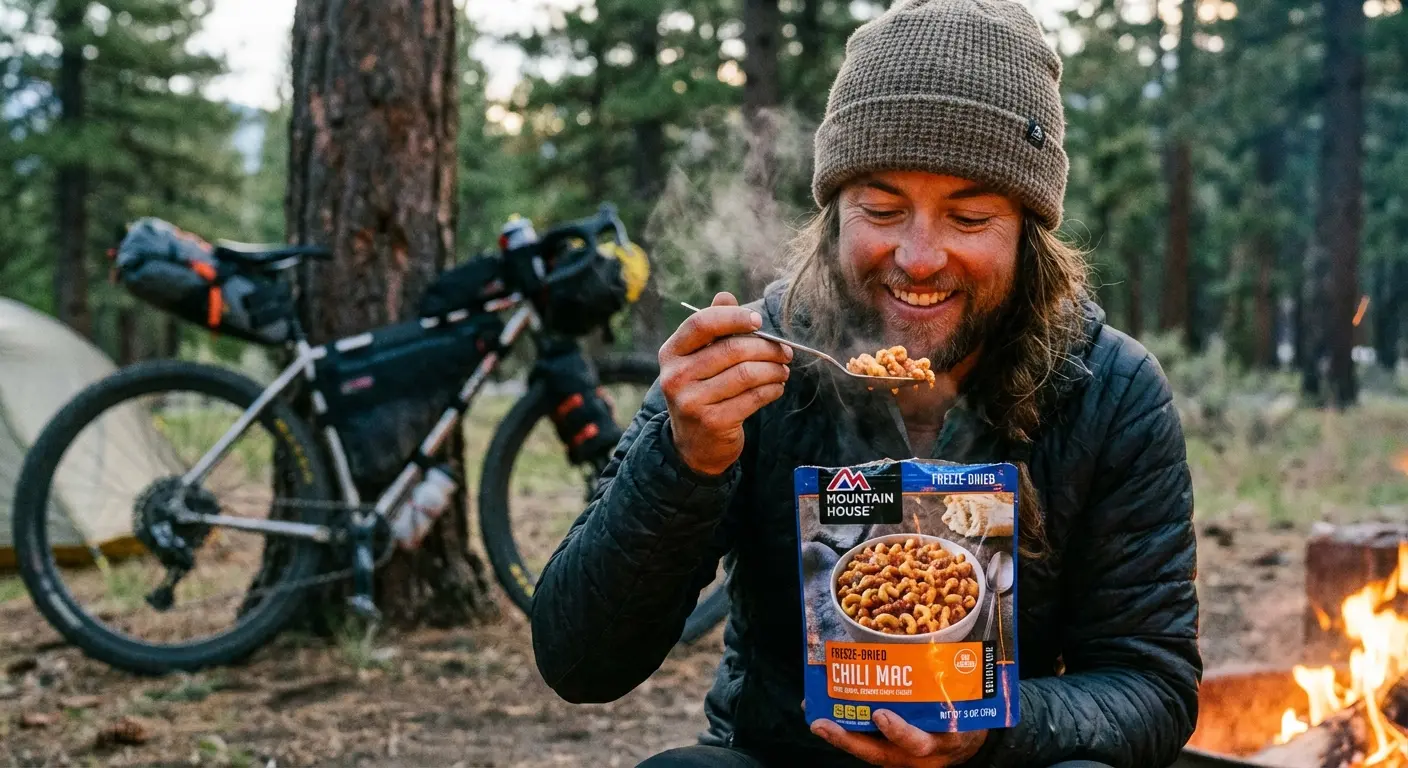
After 60 miles of gravel and 5,000 feet of climbing, nothing beats a hot meal. Sure, you could eat another protein bar—but a steaming pouch of beef stroganoff or pad thai? That's the difference between surviving and actually enjoying your bikepacking adventure.
Freeze-dried meals have earned their place in bikepacking because they solve real problems: lightweight packaging, long shelf life, no refrigeration needed, and preparation as simple as boiling water. As REI's expert advice confirms, modern freeze-dried meals have come a long way from the cardboard-flavored rations of decades past.
But quality varies wildly between brands and even individual meals. Some deliver restaurant-quality flavors; others taste like salted cardboard. This guide helps you find the winners.
For complete nutrition strategy, see our Complete Bikepacking Food Guide. For cooking gear, check our Bikepacking Stoves Guide.
How Freeze-Dried Meals Work
The freeze-drying process removes approximately 80% of water weight while preserving nutrition, texture, and (when done well) flavor. The result: calorie-dense meals that weigh 4-9 ounces but deliver 500-900 calories.
What you get:
- 100-160 calories per ounce (depending on brand and meal)
- 30-year shelf life (most brands)
- Simple preparation: add boiling water, wait 10-15 minutes
- Complete meal in a single pouch
Trade-offs to consider:
- Cost: $8-15 per meal adds up quickly
- Sodium: Most contain 700-1500mg per serving
- Environmental impact: Single-use packaging
- Weight vs. alternatives: DIY options can be lighter
What Makes a Great Bikepacking Meal
Not all freeze-dried meals deserve space in your frame bag. Here's what separates great options from mediocre ones:
Calorie Density
You're burning 3,000-6,000 calories daily. Meals need to deliver. Look for:
- Minimum 500 calories per pouch (solo serving)
- 100+ calories per ounce for weight efficiency
- Balanced macros: Carbs for energy, protein for recovery, fat for satiety
Actual Taste
Trail hunger improves everything, but you shouldn't need starvation to tolerate dinner. Key factors:
- Real ingredients you recognize
- Appropriate seasoning (not just salt)
- Textures that rehydrate properly
- Flavors that don't all taste the same
Practical Considerations
- Preparation time: 10-15 minutes is standard
- Water requirement: 1.5-2.5 cups per meal
- Packaging: Stands up for easy eating? Resealable?
- Dietary compatibility: GF, vegan, allergen-free options
Featured Products
Peak Refuel Chicken Alfredo Pasta
Peak Refuel dominates the high-protein freeze-dried category, and the Chicken Alfredo shows why. With 37g of protein and 580 calories per pouch, it delivers serious recovery fuel after hard days. The real chicken (100% meat, no fillers) rehydrates with actual texture—not the stringy mystery protein in cheaper brands. Creamy alfredo sauce hits the comfort food button without tasting artificial. At 163 calories per ounce, it's one of the most calorie-dense options available. Ready in 10 minutes with no stirring required. If you want meals that actually taste like food while maximizing protein intake, Peak Refuel sets the standard.
- 37g protein per pouch
- 580 calories, 163 cal/oz
- 100% real chicken, no fillers
- 10-minute prep time
- Creamy, satisfying flavor
Good To-Go Herbed Mushroom Risotto
Good To-Go proves that trail food can taste like actual cuisine. The Herbed Mushroom Risotto earned REI's 'Best All-Around' designation for good reason—it tastes like something you'd order at a restaurant, not emergency rations. Unlike most brands, Good To-Go uses dehydration rather than freeze-drying, resulting in more natural flavors and better textures. All ingredients are recognizable real food with no artificial additives. The risotto rehydrates to creamy perfection with herb notes that complement rather than overpower. Lower sodium than competitors too. Available in GF version for dietary restrictions. If flavor matters as much as calories, Good To-Go delivers.
- REI 'Best All-Around' pick
- Restaurant-quality flavor
- All natural ingredients
- Lower sodium than competitors
- Gluten-free option available
Mountain House Beef Stroganoff
Mountain House has been making freeze-dried meals since 1969, and the Beef Stroganoff remains a trail classic for good reason. It delivers consistent comfort-food flavor at a price point that won't wreck your food budget. Tender beef and egg noodles in savory gravy—simple, satisfying, and reliable. The 30-year shelf life means you can stock up during sales without worry. Two-serving pouches work great for hungry bikepackers or sharing. Yes, Peak Refuel and Good To-Go taste marginally better, but Mountain House costs 30-40% less. For bikepackers who want good meals without premium prices, this is the move.
- 30-40% cheaper than premium brands
- Consistent comfort-food flavor
- 30-year shelf life
- Two generous servings
- Trail-proven since 1969
Backpacker's Pantry Pad Thai
When you're tired of the same Italian and American dishes, Backpacker's Pantry offers global flavors that break menu monotony. The Pad Thai delivers authentic rice noodles with peanut sauce, vegetables, and that distinctive sweet-savory-spicy balance. It's vegetarian-friendly without feeling like a compromise. Backpacker's Pantry generally offers more creative flavor profiles—Cuban coconut black beans, kathmandu curry, Louisiana red beans—for riders who crave variety. Calorie density is moderate at about 130 cal/oz. Ready in 15-20 minutes, slightly longer than some competitors. For adventurous eaters who don't want every dinner to taste like chicken and rice, this brand delivers.
- Authentic global flavors
- Vegetarian-friendly
- Breaks menu monotony
- Quality ingredients
- Creative variety available
Peak Refuel Biscuits and Sausage Gravy
Most freeze-dried breakfasts disappoint—watery eggs, mushy potatoes, sad attempts at bacon. Peak Refuel's Biscuits and Gravy stands apart. The biscuit chunks stay substantial (not soggy), and the peppery sausage gravy delivers genuine Southern comfort. With 39g of protein and 640 calories, it fuels big riding days from the start. The gravy rehydrates thick and flavorful, not the watery paste you get from lesser brands. Ready in 10 minutes—perfect for efficient camp mornings. If you've written off freeze-dried breakfast, this meal changes the game. It's the rare trail breakfast that actually makes you look forward to morning.
- 39g protein for big days
- Chunks stay substantial, not soggy
- Peppery, authentic flavor
- 640 calories per pouch
- 10-minute prep time
Brand Comparison
| Brand | Best For | Calories/oz | Protein | Price Point | Taste |
|---|---|---|---|---|---|
| Peak Refuel | High protein, athletes | 160+ | 35-40g | $$$ | Excellent |
| Good To-Go | Natural ingredients, flavor | 100-120 | 15-25g | $$$ | Best |
| Mountain House | Value, reliability | 100-120 | 15-25g | $$ | Good |
| Backpacker's Pantry | Variety, creative flavors | 100-130 | 15-25g | $$ | Good |
| Trailtopia | Value, larger servings | 110-130 | 20-30g | $$ | Good |
How to Choose Your Meals
For Maximum Protein (Athletes, Recovery Focus)
Choose Peak Refuel. Their meals average 35-40g protein per pouch—nearly double most competitors. If you're pushing hard and prioritizing muscle recovery, this matters.
For Best Flavor (Food Enthusiasts)
Choose Good To-Go. All-natural ingredients, creative recipes, and flavors that taste like actual cuisine. You'll pay premium prices but eat better.
For Budget Consciousness
Choose Mountain House or Trailtopia. Consistent quality at 30-40% lower cost. Buy in bulk during sales; the 30-year shelf life means no waste.
For Dietary Restrictions
Choose Good To-Go for extensive GF, vegan, and allergen-free options with clear labeling. They take dietary restrictions seriously.
For Variety Seekers
Mix brands. Don't eat the same brand all trip. Alternate between Peak Refuel dinners, Good To-Go lunches, and budget options for variety.
Preparation Tips
Get the Water Right
Too little water creates crunchy, unpleasant textures. Too much makes soup. Follow package directions precisely, then adjust future meals based on experience.
Pro tip: Use a marked water bottle or measuring line on your pot. Guessing leads to inconsistent results.
Optimize Rehydration
- Add water, seal pouch, wait full recommended time
- Stir halfway through if directed
- In cold conditions, insulate the pouch (wrap in sleeping bag) or add extra time
- Some meals benefit from 2-3 extra minutes beyond directions
Maximize Calories
- Drizzle olive oil into finished meals (250 cal/tablespoon)
- Add cheese to Italian dishes
- Mix in nut butter for Asian noodle dishes
- Top with crushed chips for crunch and calories
Freeze-Dried vs. Alternatives
When Freeze-Dried Wins
- Long trips without resupply
- When cooking time matters (quick camp setup)
- Weight-conscious packing
- Predictable nutrition
When Alternatives Win
- Budget priority (grocery store food is 50-70% cheaper)
- Fresh food cravings
- Routes with frequent town resupply
- Environmental concerns about packaging
For budget alternatives, see Budget Bikepacking Food.
Sample Meal Rotation (5-Day Trip)
| Day | Dinner | Why |
|---|---|---|
| 1 | Peak Refuel Chicken Alfredo | High protein after travel day |
| 2 | Good To-Go Pad Thai | Flavor variety |
| 3 | Mountain House Beef Stroganoff | Value night |
| 4 | Backpacker's Pantry Cuban Rice | Different cuisine |
| 5 | Peak Refuel Stroganoff | Big miles, need protein |
Breakfast rotation: Alternate Peak Refuel Biscuits and Gravy with instant oatmeal and no-cook options to manage costs and variety.
Common Mistakes
Mistake 1: Buying All the Same Meal
Even your favorite meal gets old by day five. Build variety into your menu.
Mistake 2: Under-Eating Because of Cost
Yes, freeze-dried meals are expensive. But under-fueling ruins trips. If budget is tight, use freeze-dried for some meals and grocery store alternatives for others.
Mistake 3: Not Testing Before the Trip
Some meals you'll love; others will disappoint. Try meals at home first so you know what to pack.
Mistake 4: Ignoring Water Needs
Each meal requires 1.5-2.5 cups of water. Factor this into your water carrying strategy, especially in dry environments.
FAQ
How many freeze-dried meals should I carry per day?
For most bikepackers, one freeze-dried dinner per day plus other food is reasonable. Using freeze-dried for every meal adds unnecessary cost and limits variety.
Can I rehydrate with cold water?
Yes, but it takes 2-3x longer and textures suffer. Cold-soaking works in emergencies but hot water is strongly preferred.
Are freeze-dried meals healthy?
They provide balanced macronutrients but are typically high in sodium (700-1500mg per serving). For occasional trail use, this isn't concerning—you're sweating out sodium anyway. For long-term eating, vary with fresh food when possible.
What's the shelf life?
Most brands claim 25-30 years unopened. Once opened, consume within 24 hours or reseal and use within a few days.
Mountain House vs. Peak Refuel—which is better?
Different strengths. Peak Refuel delivers more protein and slightly better taste. Mountain House costs less and works great. Choose based on priorities: protein and taste (Peak Refuel) or value and reliability (Mountain House).
Are Good To-Go meals worth the premium?
If flavor is your priority, yes. They taste noticeably better than budget brands. If you're eating to fuel rather than enjoy, save the money.
For complete nutrition planning, see our Complete Bikepacking Food Guide. Match your meals with proper Bikepacking Cookware for the best camp dining experience.
Eat well out there. Good food makes good miles.