Renting a Bike Abroad vs Bringing Your Own: How to Decide
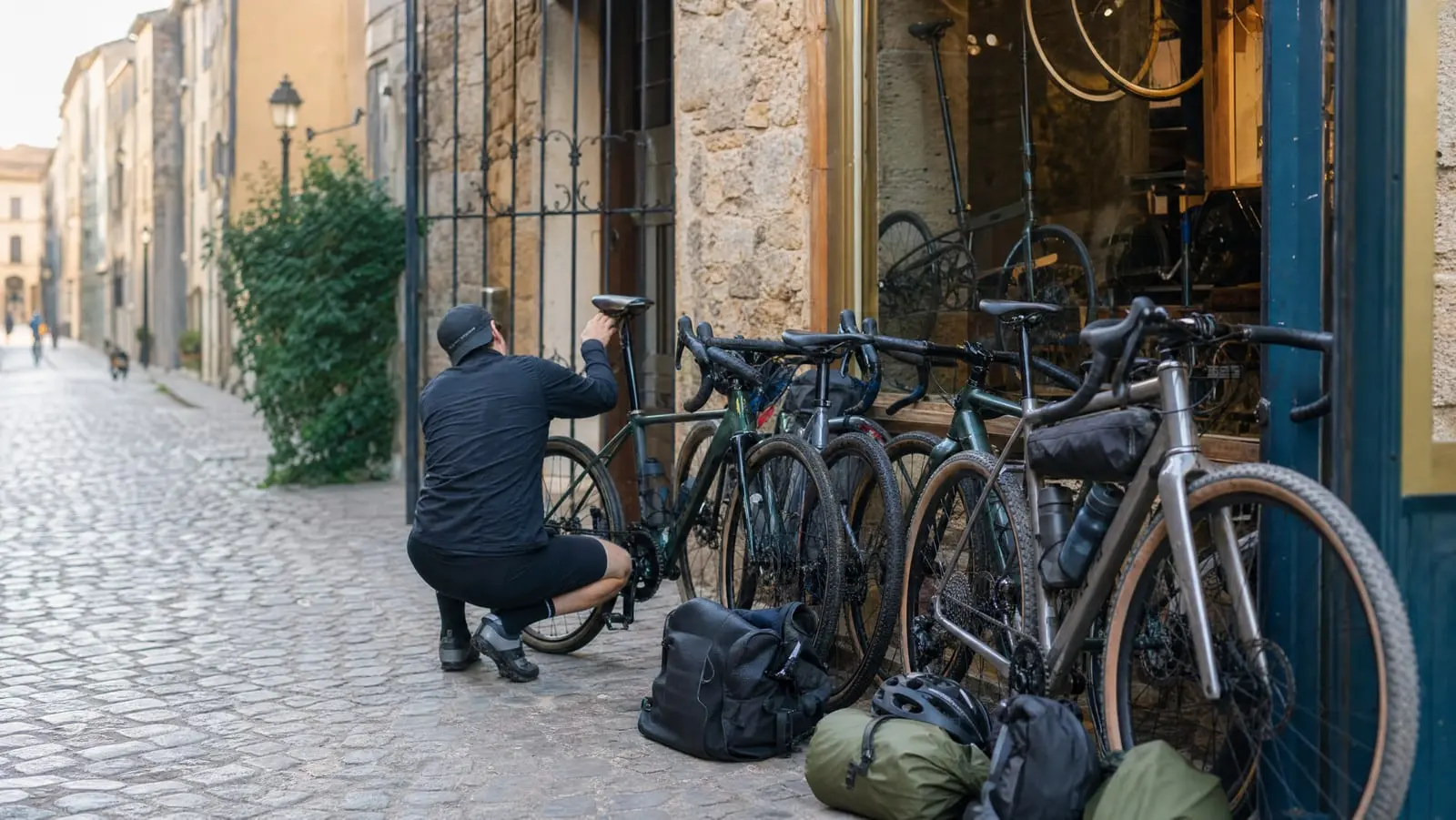
The cost gap between hiring a touring bike and flying your own is closer than most people think. Fit, trip length, and what happens when something breaks should decide it instead.
The cost gap between hiring a touring bike and flying your own is closer than most people think. Fit, trip length, and what happens when something breaks should decide it instead.
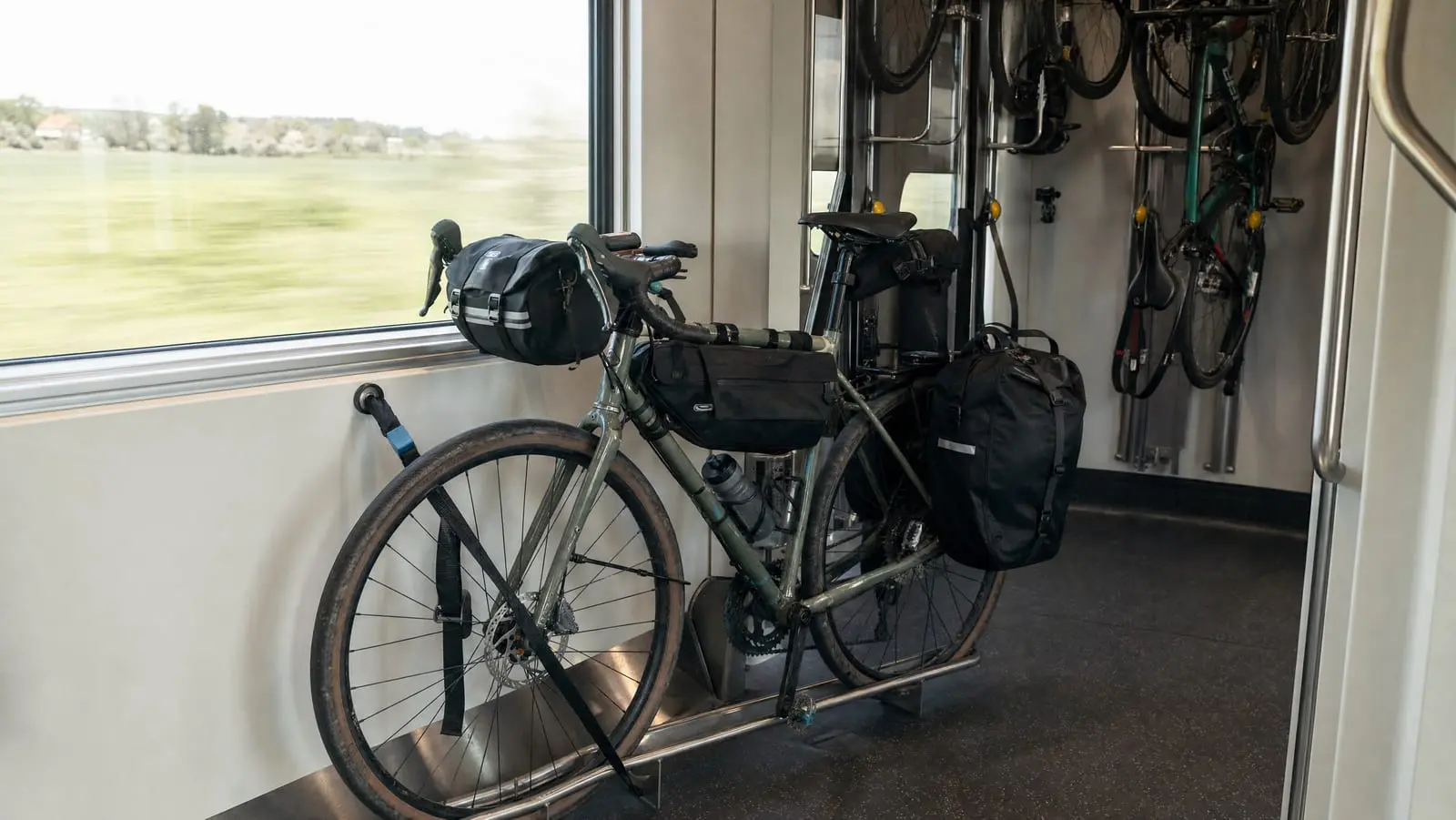
Roll-on trains, ferries and bus racks let you travel without boxing the bike. Here is how Amtrak, commuter rail, intercity coaches, ferries and European operators actually handle a loaded bike.
Couplers used to pay for themselves against $150 bike surcharges. Those surcharges are largely gone. Here is what a travel bikepacking bike is still worth, and who should skip one entirely.
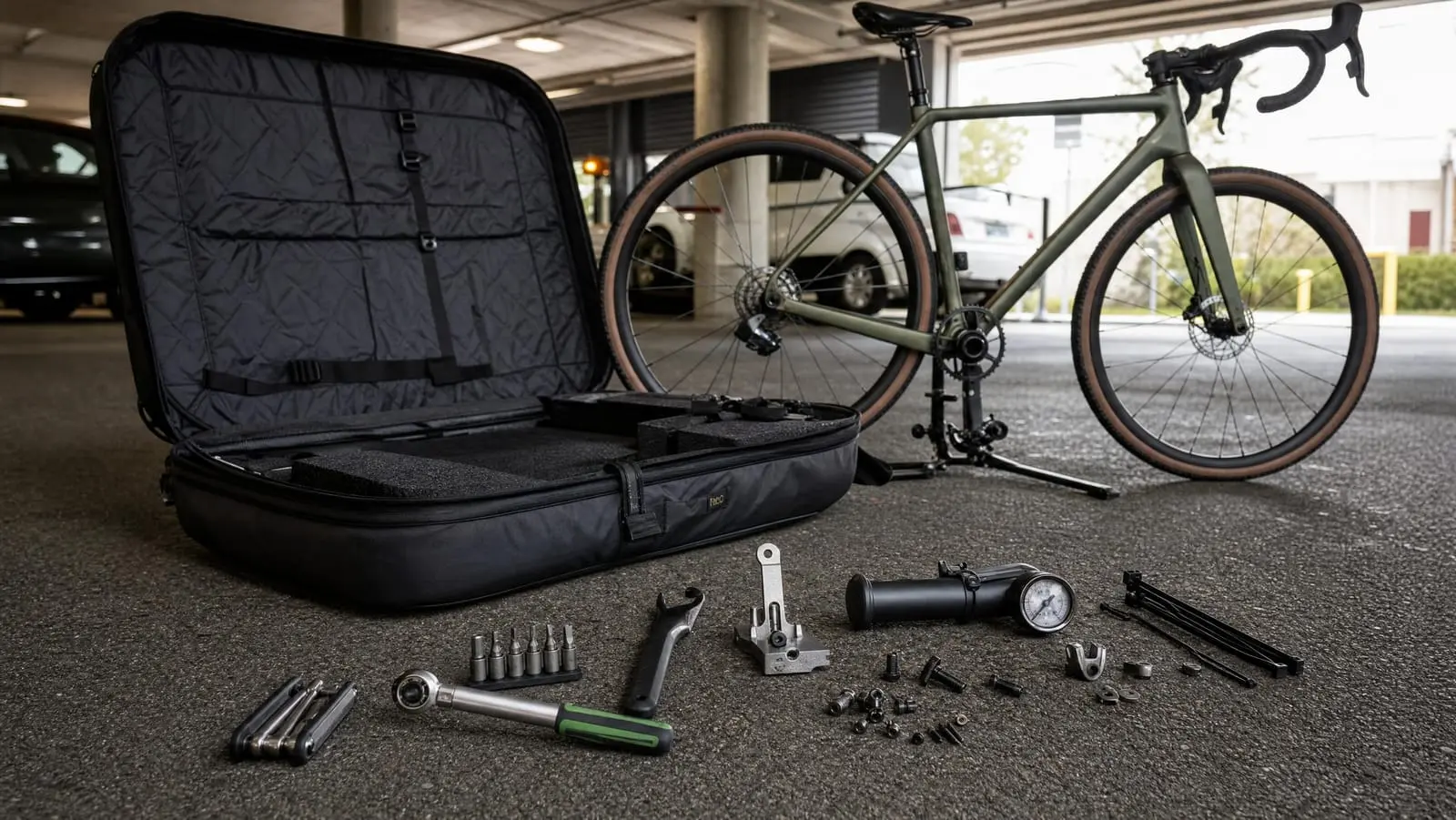
A bike travel tool kit has one job: turn a boxed bike into a rideable bike in 30 to 45 minutes. Here are the five tools that earn their weight in the case, and what to leave at home.
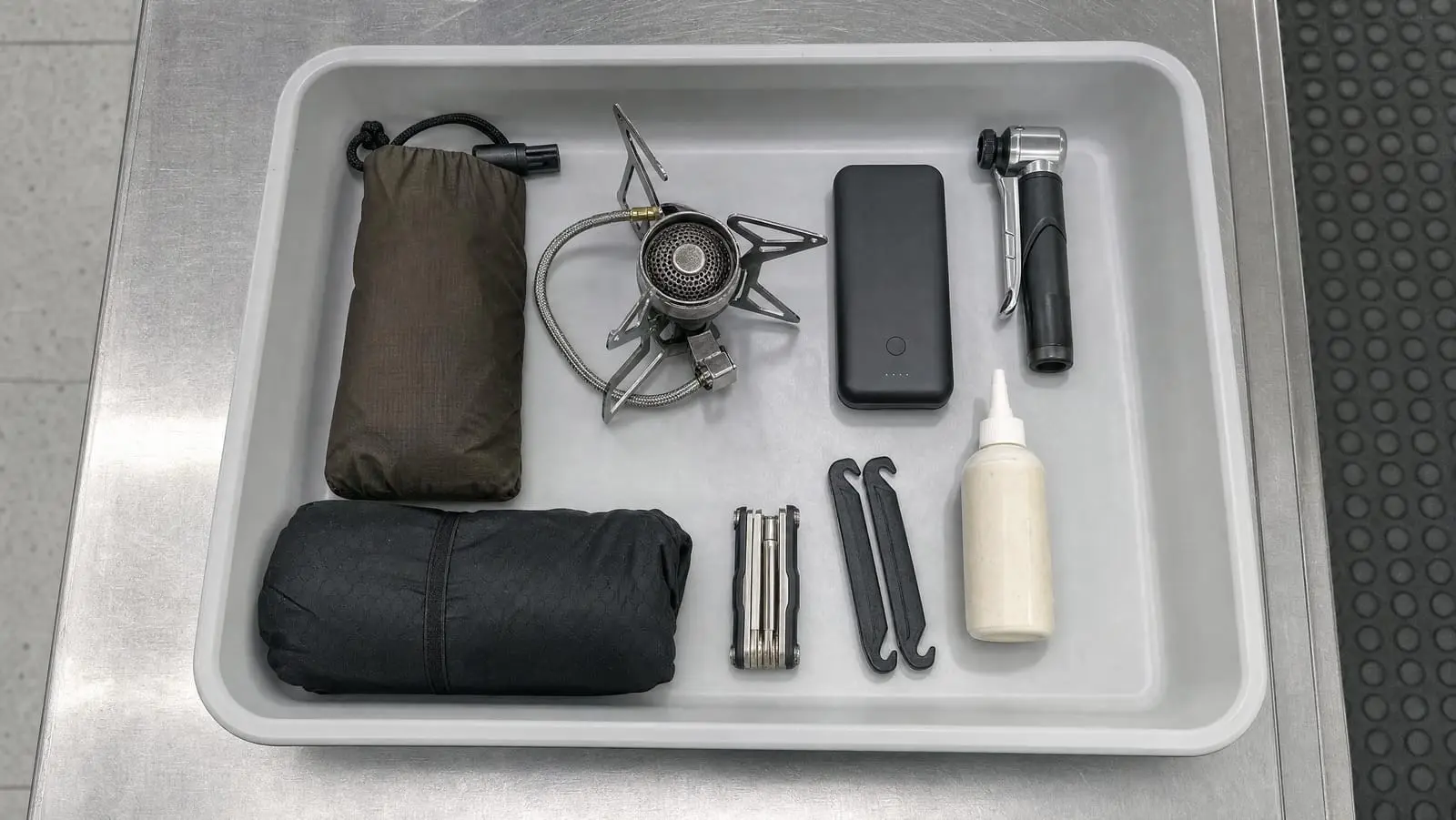
Fuel never flies, CO2 cartridges only fly empty, and every lithium battery belongs in the cabin. Here are the TSA and FAA rules for stoves, power banks, tools and bear spray, with the sources.
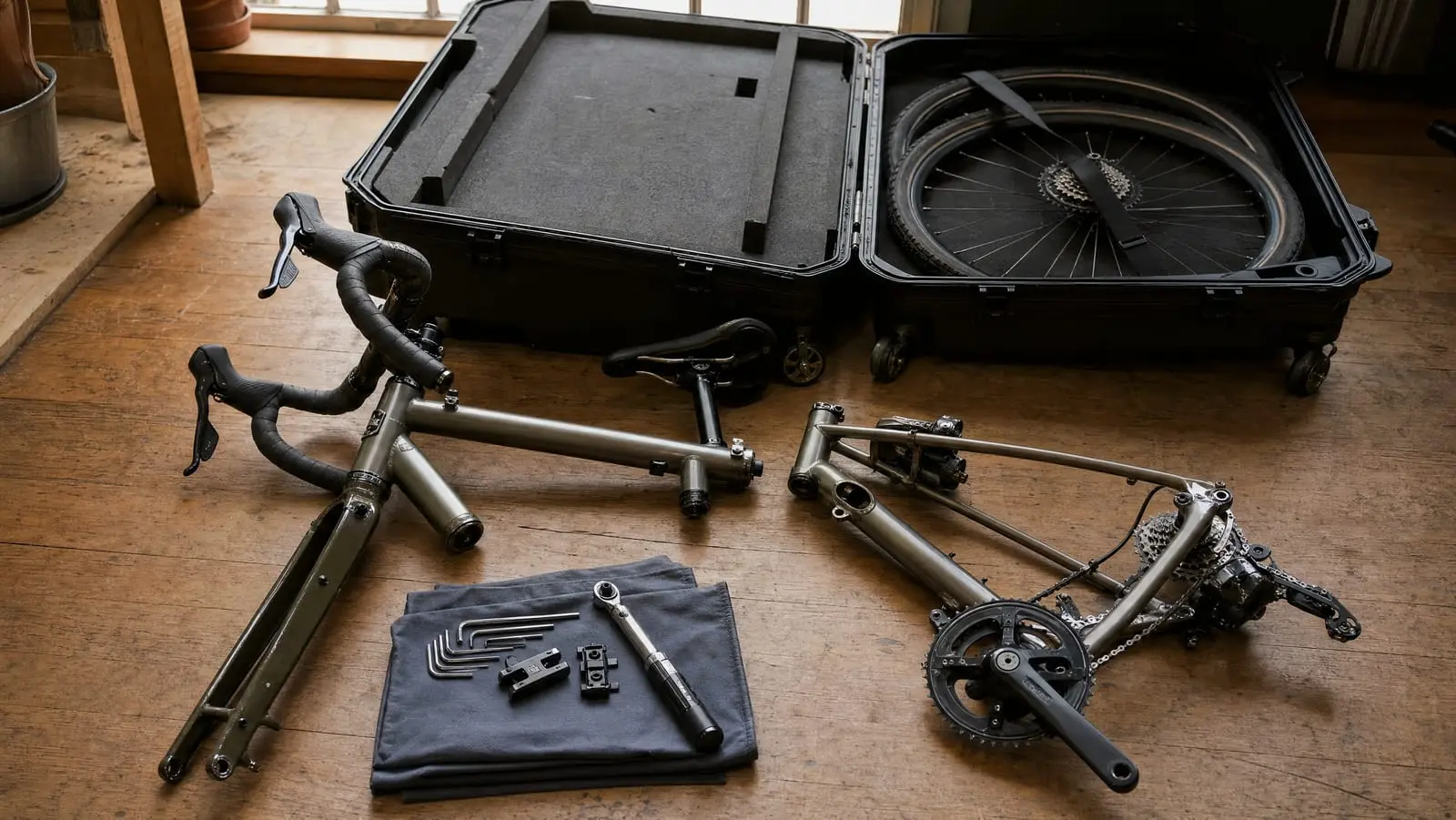
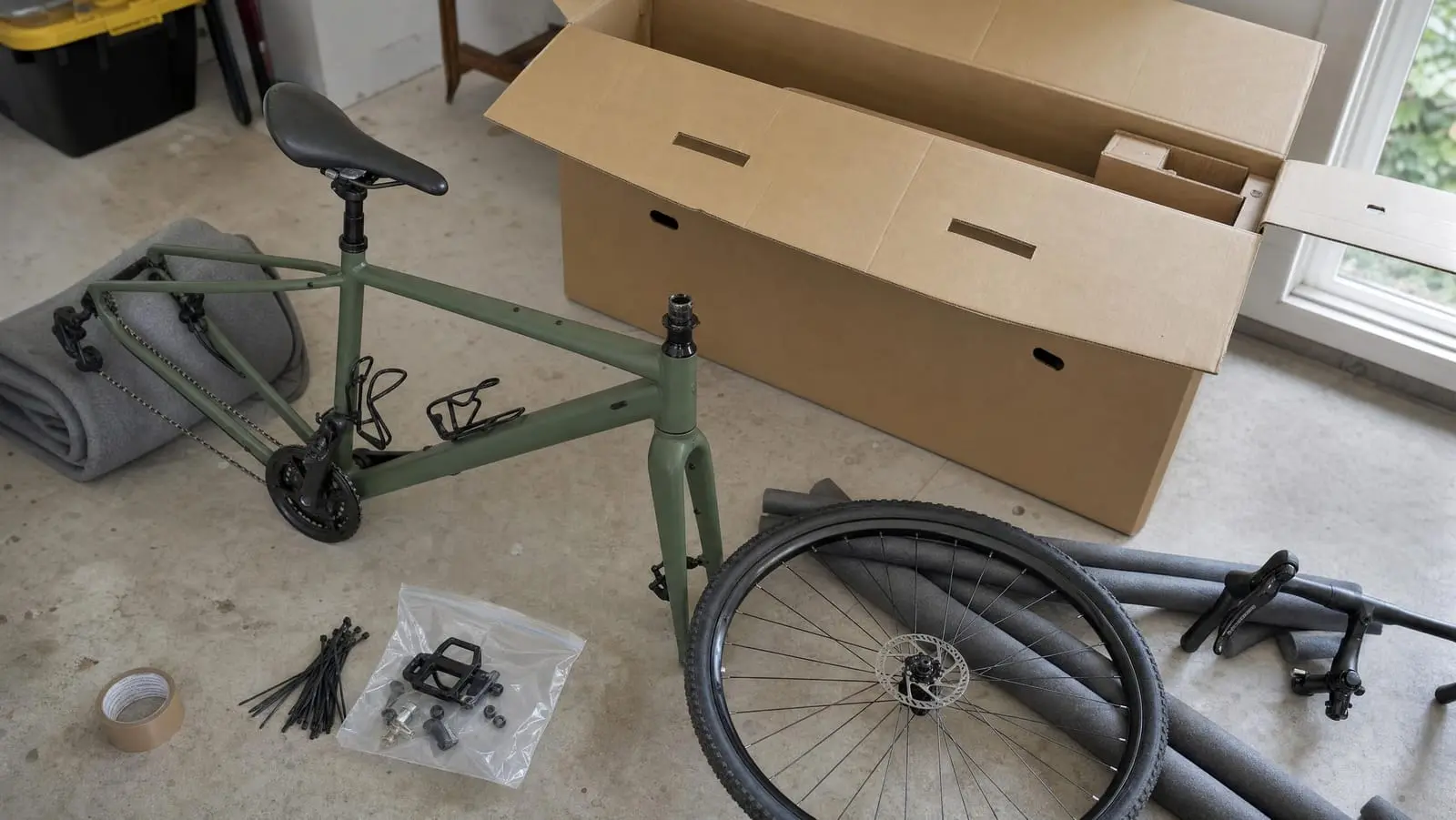
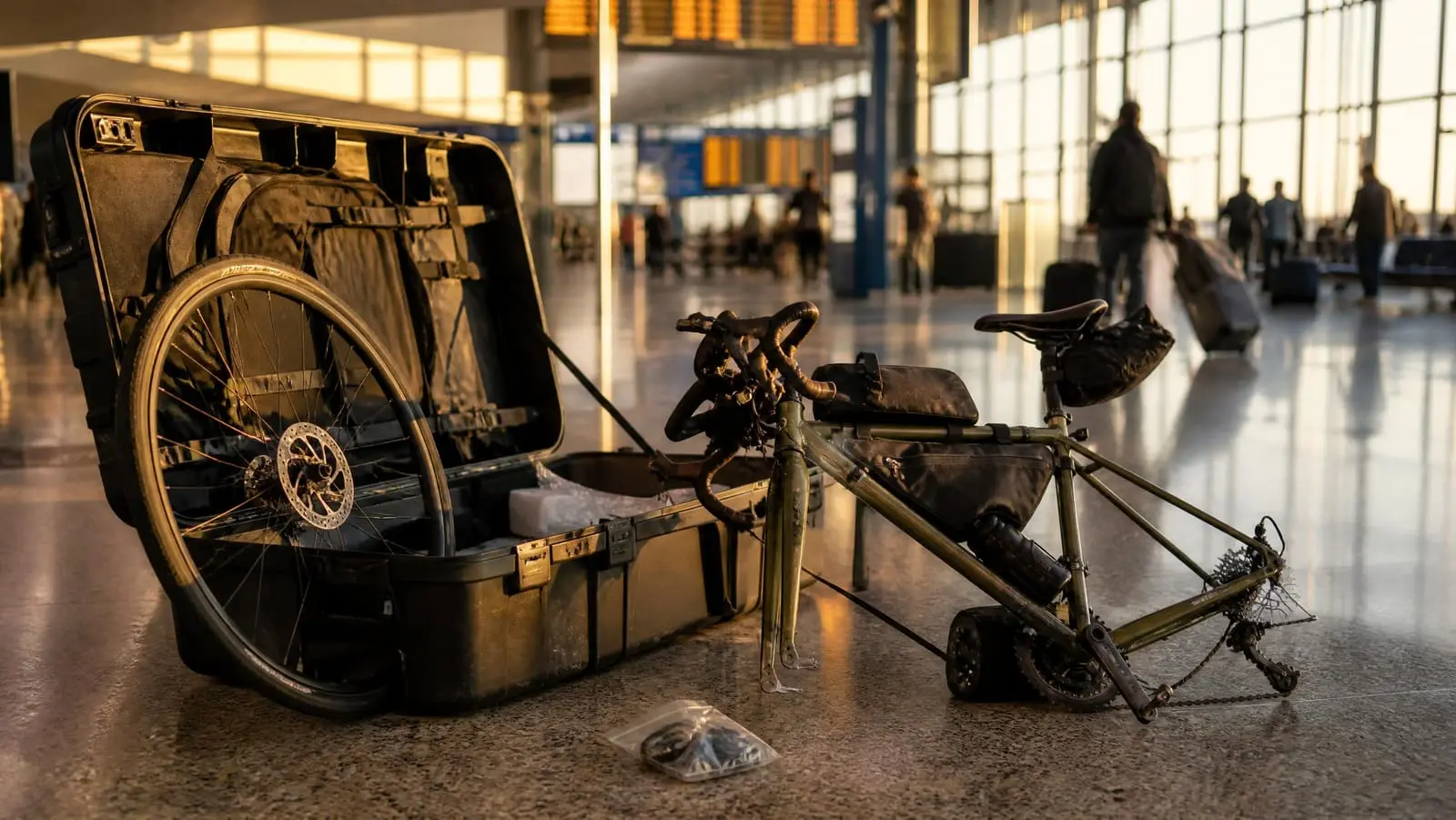
Strip the bike, protect the five parts that actually break, and weigh the box before you tape it. Here is the exact packing order, plus what to do with your bikepacking bags, stove and batteries.
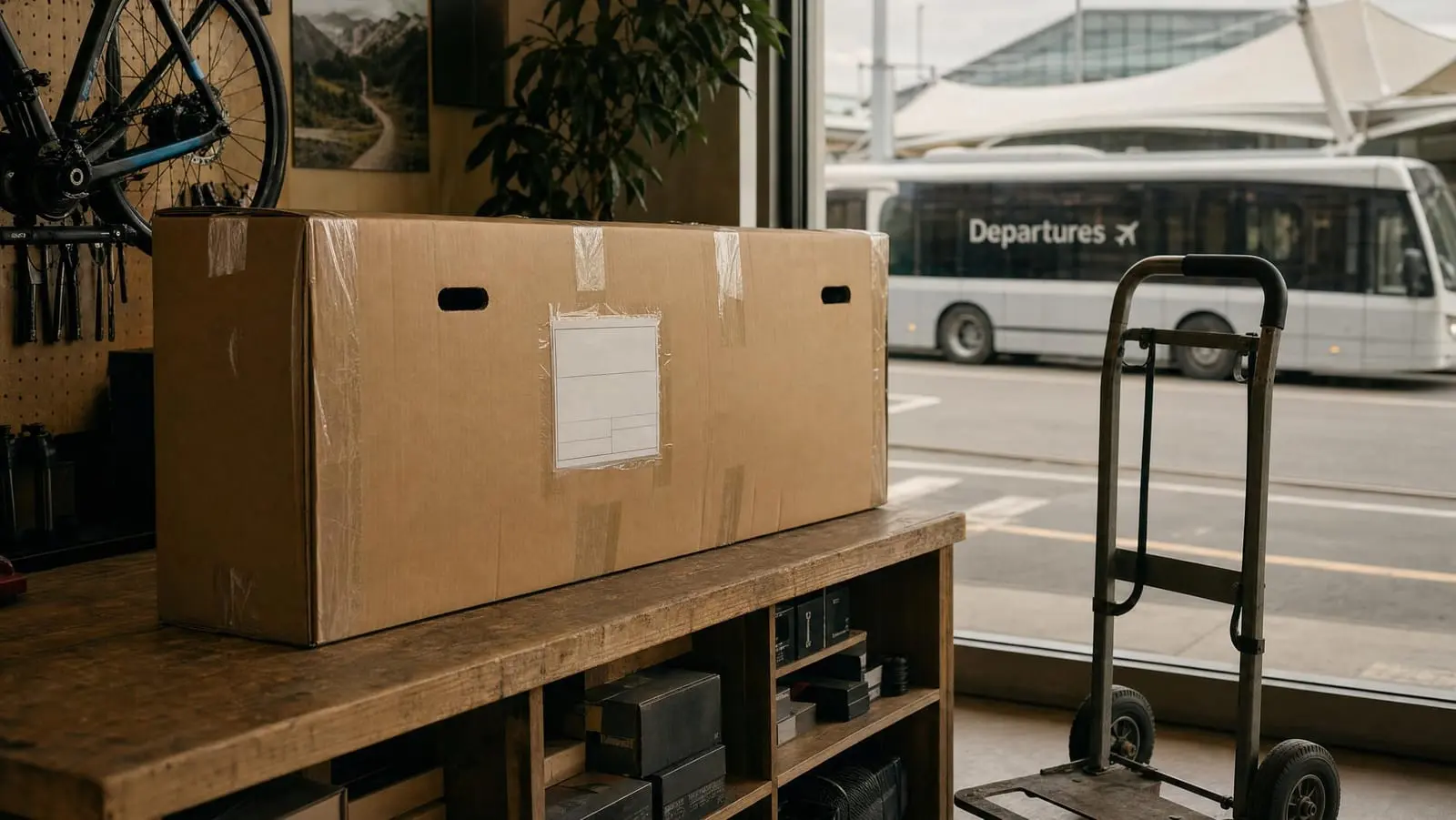
Ground shipping a bike with a specialty service runs roughly $57 to $120 each way. Flying with it costs a checked bag plus every hidden fee that follows. Here is the rule for choosing.
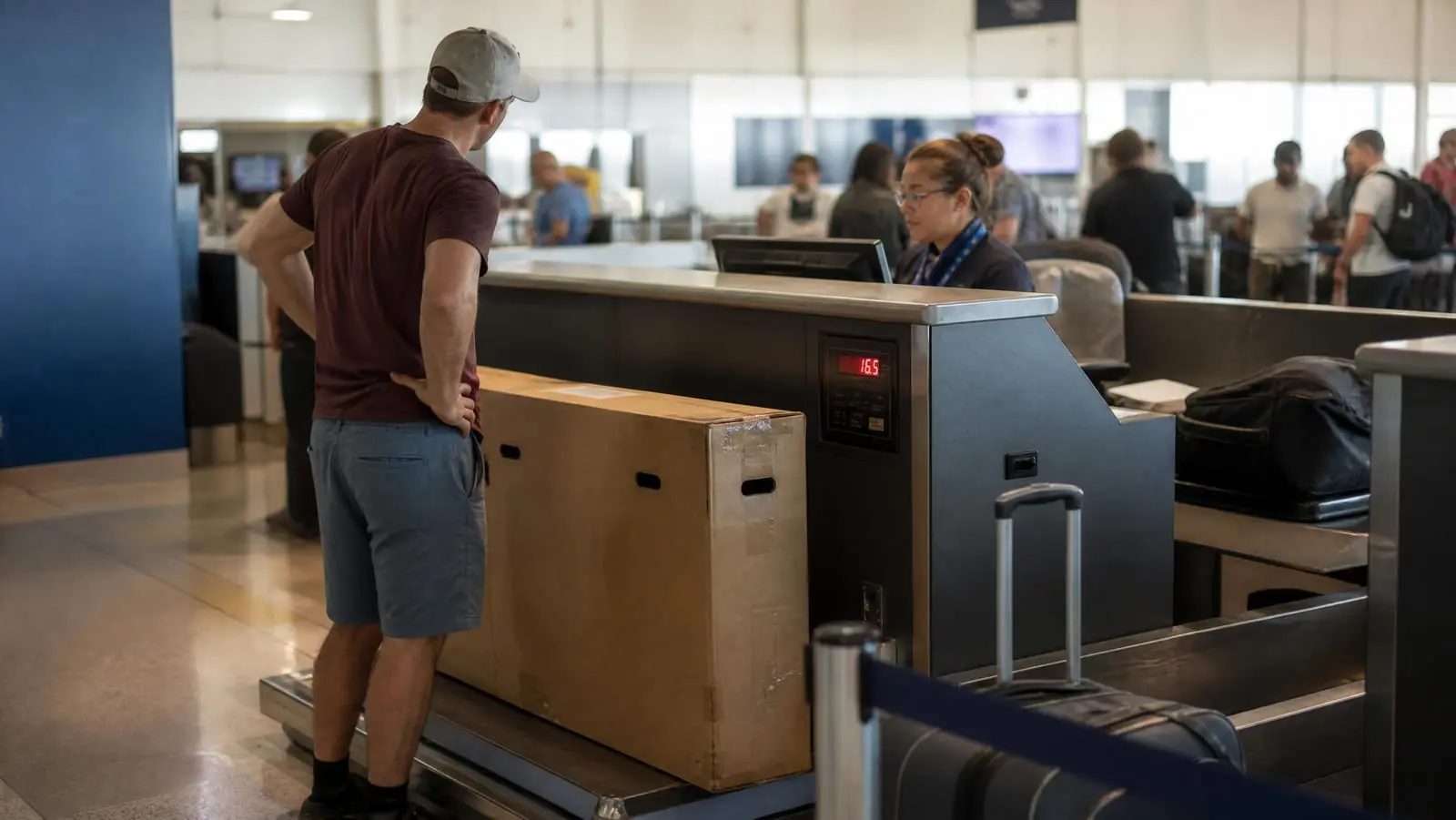
Most US airlines killed the $150 bike surcharge, then raised checked bag prices in April 2026. Here is what each major carrier charges to fly a bike, and the exact limits that trigger extra fees.
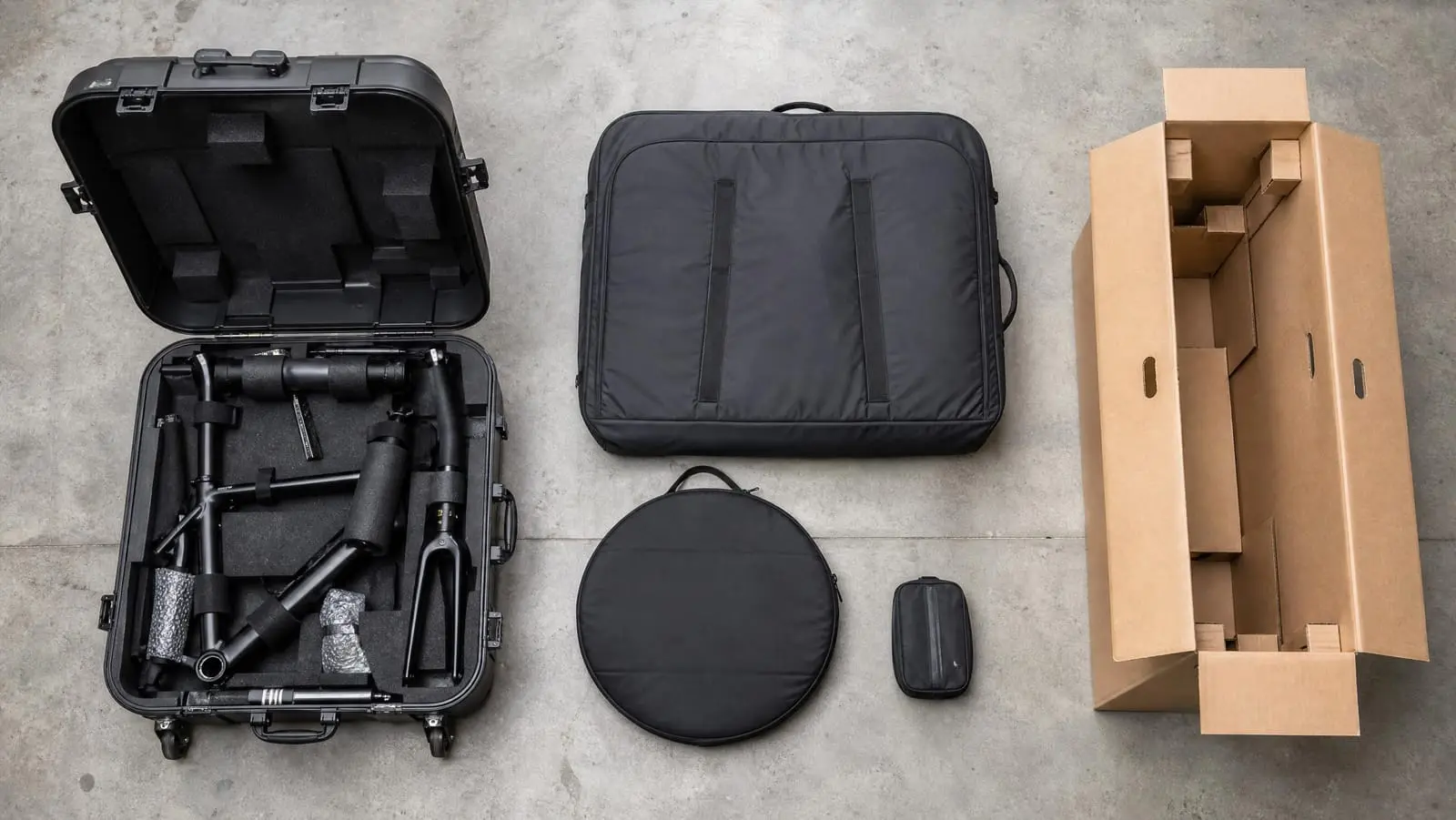
Hard shell or soft bag? For bikepackers who fly one way, the answer usually is not the expensive case. We compare six travel cases and bags on protection, empty weight, and where they live while you ride.
Flying, shipping, or training with your bike is mostly packing and paperwork. Here is what airlines actually charge as of August 2026, what to put the bike in, and how to get it to the trailhead undamaged.
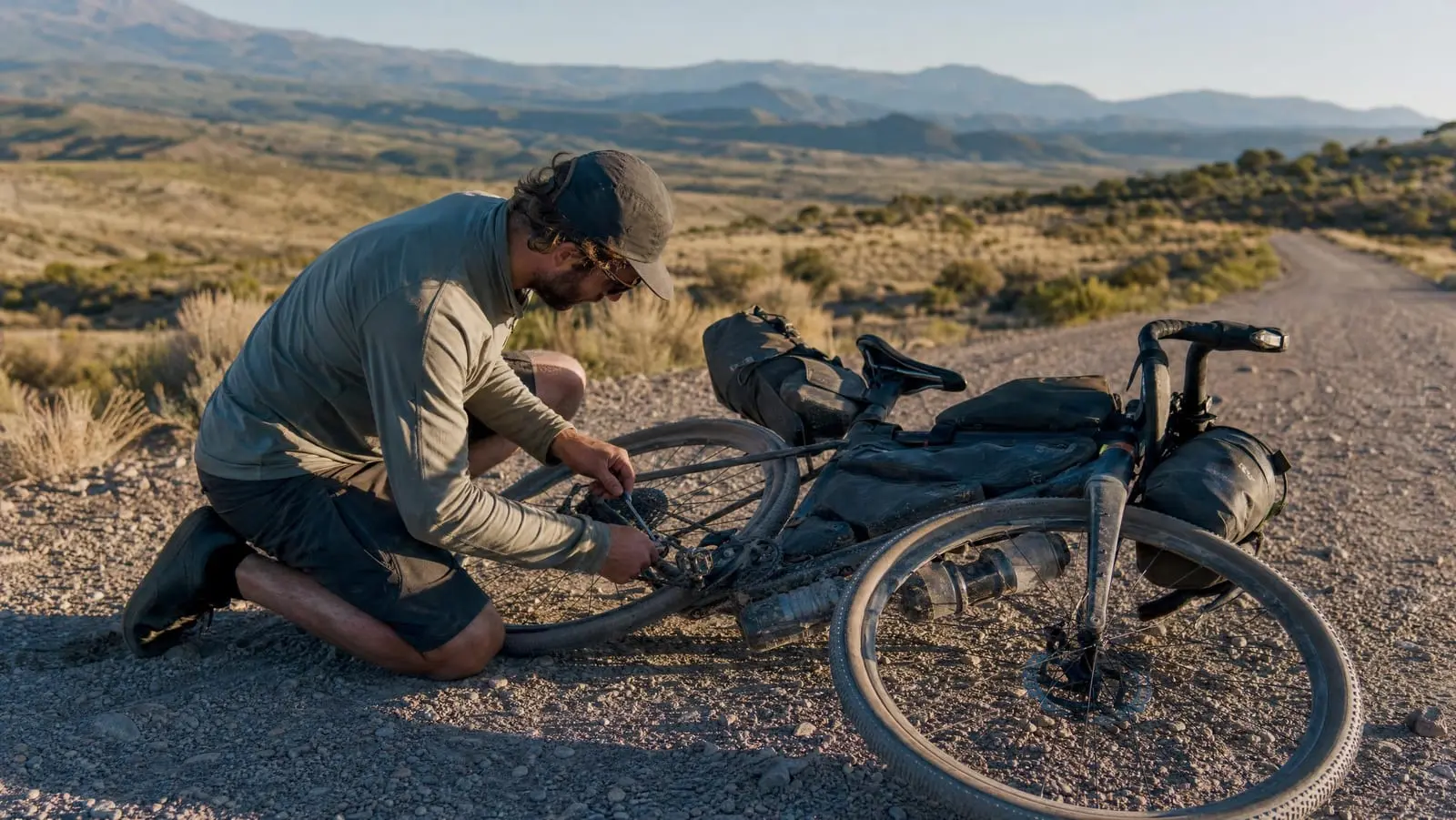
Most bikepacking emergencies are a broken derailleur or a rolled ankle, not a helicopter rescue, and self-rescue is the decision-making skill that gets you out. Here is the three-option framework we use, the walk-out math, and the triggers for pushing the button.
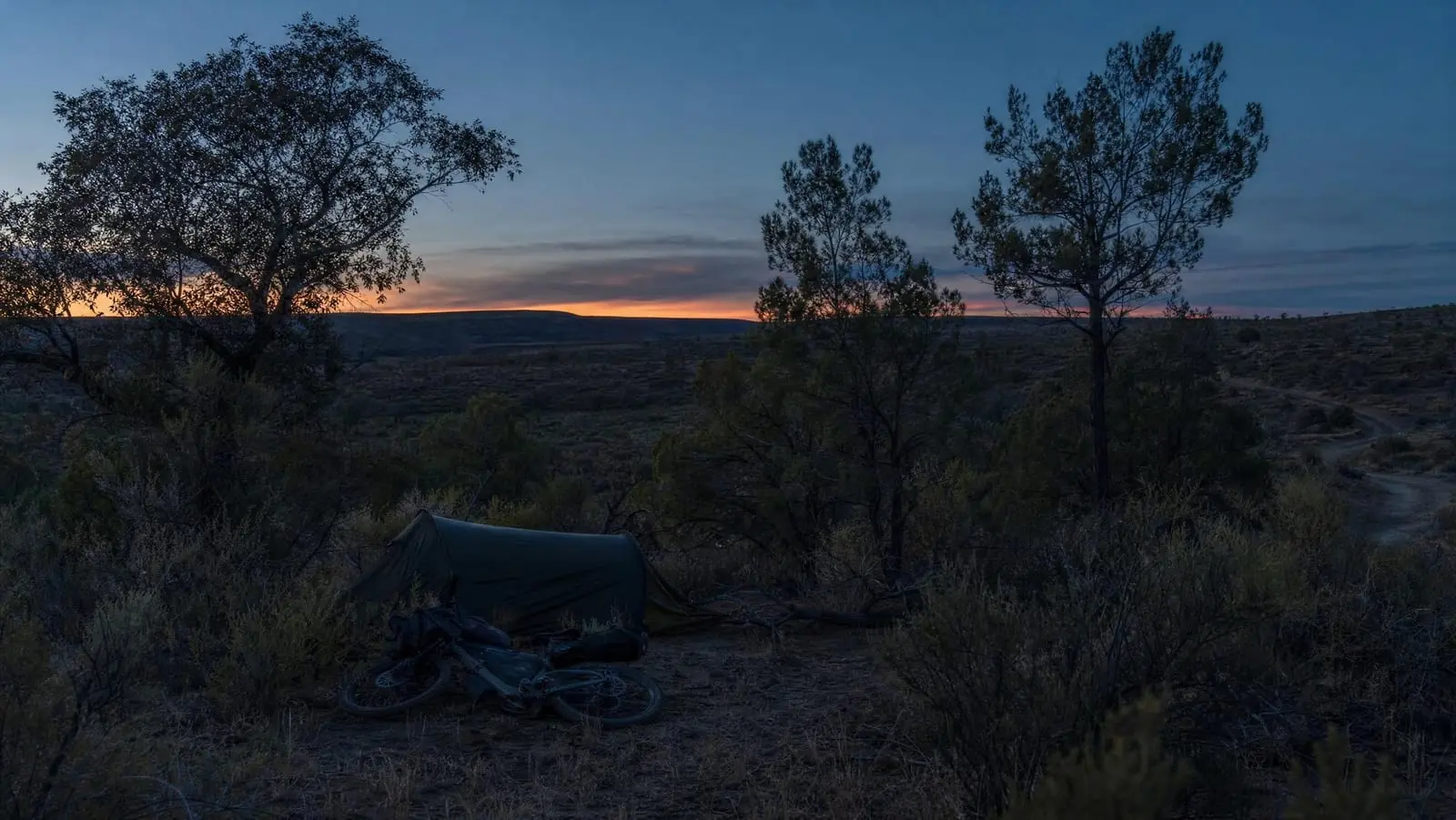
Camp security on a bikepacking trip is almost entirely site selection, and site selection is free. Here is how we choose a stealth camping spot, handle the bike overnight, and stay calm about the part everyone worries about.